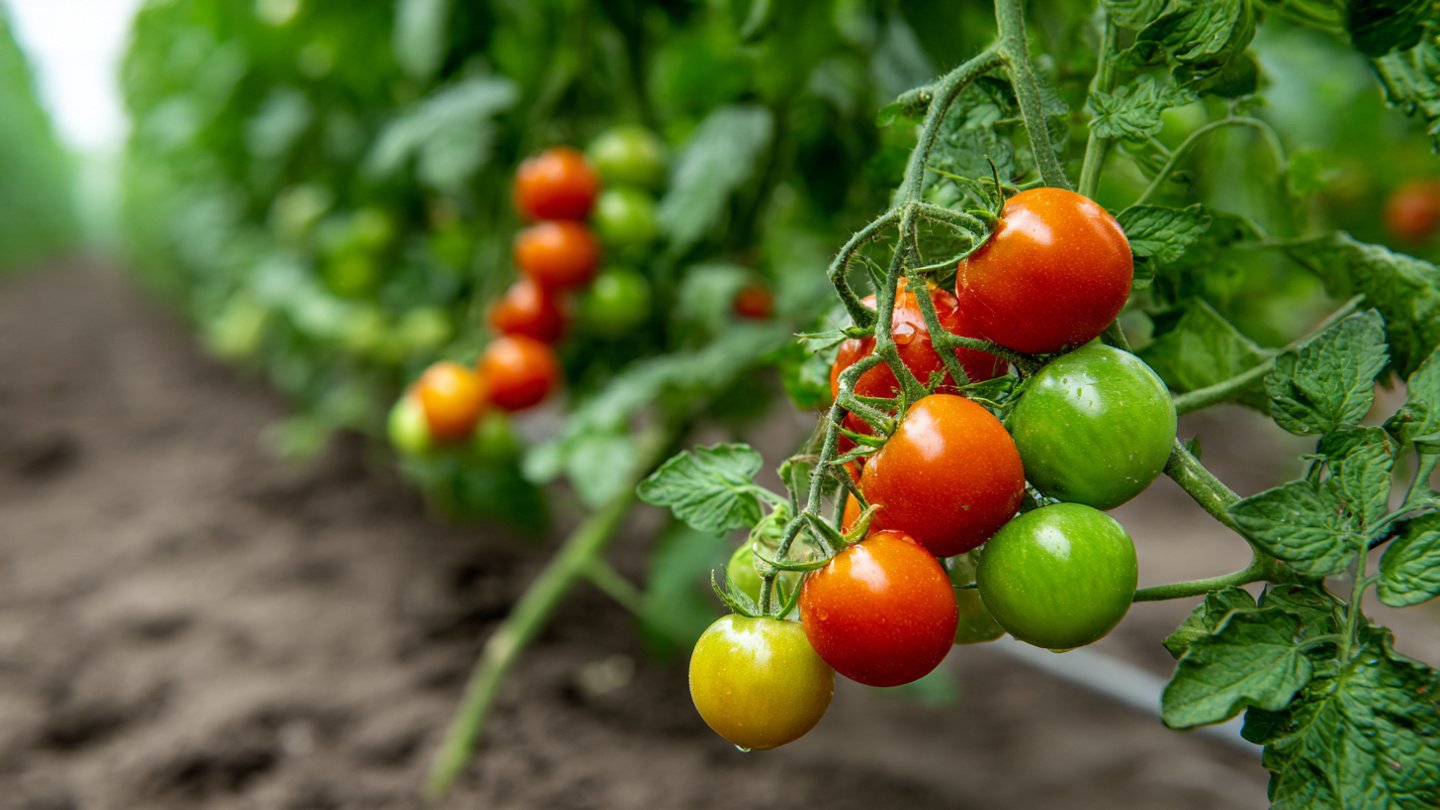
Gardening enthusiasts know that pruning is a fundamental practice for maintaining healthy plants and encouraging productive yields. From tomatoes to peppers, squash to cucumbers, strategic pruning can make a significant difference in both the quantity and quality of your harvest. However, there’s an often overlooked pruning step that can drastically impact vegetable growth and size. Missing this step can lead to stunted plants, crowded canopies, reduced airflow, and smaller fruits. Understanding this hidden aspect of pruning is essential for gardeners who want their vegetables to thrive.
In this article, we’ll uncover the overlooked pruning step, explain why it’s so important, and provide practical tips to optimize vegetable growth and maximize harvest size.
Understanding the Role of Pruning in Vegetable Gardening
Pruning is more than just trimming away dead or unsightly leaves. It is a deliberate process that shapes plant growth, improves sunlight exposure, enhances airflow, and redirects energy toward fruit production rather than excessive foliage.
Key benefits of proper pruning include:
- Improved Light Penetration
Sunlight is the engine for photosynthesis. Pruning overcrowded branches and leaves allows sunlight to reach inner parts of the plant, stimulating growth and improving fruit ripening. - Enhanced Air Circulation
Dense foliage traps moisture, creating ideal conditions for fungal diseases and pests. Pruning opens up the plant, reducing the risk of infections and promoting healthier growth. - Energy Redirection
Plants have limited energy, which they distribute between leaves, stems, and fruits. Pruning certain parts can direct more energy toward fruit development, producing larger and juicier vegetables.
Despite these benefits, gardeners often focus only on visible leaves and stems, overlooking a critical step that directly affects vegetable growth and size.
The Overlooked Pruning Step: Removing Suckers and Secondary Growth
The pruning step most gardeners neglect is the removal of suckers or secondary shoots, particularly in plants like tomatoes, peppers, and cucumbers.
- Suckers are the small shoots that grow in the junction between the main stem and a branch.
- Secondary growth refers to side shoots that compete with the main stem for nutrients, water, and sunlight.
While these shoots may appear harmless, they can drain a plant’s energy. Left unchecked, suckers can:
- Reduce the plant’s overall vigor.
- Limit the size of fruits due to competition for nutrients.
- Create dense foliage, blocking sunlight and slowing fruit development.
By removing suckers at the right time, you ensure that the plant’s resources are focused on producing larger, healthier vegetables.
How Overlooked Pruning Impacts Vegetable Growth
Neglecting sucker removal can affect vegetables in several ways:
1. Stunted Fruit Development
When plants expend energy growing side shoots, less energy is available for fruit formation. This can result in:
- Smaller fruits
- Lower yields
- Fruits that ripen unevenly
For example, a tomato plant that is left unpruned may produce many small, underdeveloped tomatoes instead of fewer, larger, and juicier ones.
2. Increased Disease Susceptibility
Dense foliage caused by unremoved suckers creates pockets of humidity. Moist environments encourage fungal infections such as powdery mildew or early blight, which can devastate crops.
- Pruned plants allow better airflow, reducing disease risk.
- Removing excess growth also makes it easier to inspect for pests and infections early.
3. Reduced Sunlight Penetration
Inner leaves and fruits often miss out on sunlight in an unpruned plant. Without adequate sunlight:
- Photosynthesis slows down
- Nutrient production declines
- Fruit growth is limited
Pruning ensures sunlight reaches all parts of the plant, enabling uniform growth and maximizing harvest size.
4. Competing Energy Priorities
Plants distribute energy based on growth priorities. Excess side shoots act as competitors, diverting nutrients and sugars away from fruit production. This results in:
- Smaller, less flavorful fruits
- Lower nutritional quality
- Slower overall plant growth
By pruning strategically, gardeners can guide the plant’s energy where it matters most: fruit production.
Step-by-Step Guide to Proper Vegetable Pruning
Here’s how to implement the overlooked pruning step effectively:
1. Identify Suckers Early
- In tomatoes and peppers, look for shoots that emerge in the leaf axils (the angle between the stem and a branch).
- For cucumbers and squash, remove any secondary lateral shoots that do not support flowers or fruit.
Early detection makes pruning easier and prevents excessive energy drain.
2. Prune Gently but Regularly
- Use clean, sharp pruners to remove unwanted shoots.
- For small suckers, pinching with fingers is sufficient.
- Perform pruning every week or as needed during active growth periods.
Regular pruning prevents overwhelming growth and maintains plant focus on fruit development.
3. Avoid Over-Pruning
- Leave enough foliage to sustain photosynthesis.
- Excessive pruning can stress the plant and reduce growth.
- Balance is key: remove competing shoots, but keep enough leaves to feed the plant.
4. Train Plants with Supports
- Use stakes, trellises, or cages to guide plant growth vertically.
- Vertical training encourages better air circulation and light exposure.
- Supported plants are easier to prune and maintain.
5. Remove Dead or Diseased Leaves
While focusing on suckers, don’t forget to remove:
- Yellowing leaves
- Damaged foliage
- Infected stems
This additional pruning step prevents disease spread and further supports healthy fruit growth.
Crops That Benefit Most from Sucker Pruning
Certain vegetables respond exceptionally well to this overlooked pruning step:
- Tomatoes: Determinate varieties benefit from selective pruning, while indeterminate types require regular sucker removal to maintain size and yield.
- Peppers: Removing secondary shoots can increase fruit size and reduce overcrowding.
- Cucumbers and Squash: Limiting lateral growth encourages stronger vines and larger fruits.
- Eggplants: Pruning can help produce fewer but larger fruits with better flavor.
Even leafy vegetables like kale and chard benefit from selective pruning to prevent overcrowding and improve airflow, indirectly promoting healthy growth.
Timing Matters: When to Prune
Timing is critical to ensure pruning enhances vegetable growth rather than causing stress:
- Early growth stage: Begin removing small suckers once plants have 4–6 leaves.
- Mid-season: Continue weekly checks, especially during flowering and fruiting stages.
- Post-harvest pruning: Remove spent or damaged growth to prepare plants for continued production or succession crops.
Pruning at the wrong time, such as during extreme heat or immediately after transplanting, can stress plants and reduce growth.
Additional Tips for Maximizing Vegetable Growth
- Watering and Fertilization: Properly nourished plants respond better to pruning. Ensure consistent water and nutrient supply.
- Mulching: Helps conserve soil moisture and provides a protective layer for roots.
- Integrated Pest Management: Healthy, pruned plants are less prone to pests, but monitor regularly for early detection.
- Crop Rotation: Reduces disease buildup and maintains soil fertility, complementing the benefits of pruning.
- Observation and Adjustment: Every garden is unique. Adjust pruning techniques based on plant variety, growth pattern, and environmental conditions.
Conclusion
Pruning is a cornerstone of successful vegetable gardening, but the overlooked step of removing suckers and secondary growth can make or break your harvest. By neglecting this step, gardeners risk smaller fruits, reduced yields, increased disease susceptibility, and slower plant growth. On the other hand, proper pruning:
- Redirects plant energy toward fruit development
- Enhances sunlight exposure and airflow
- Supports larger, healthier, and more flavorful vegetables
Implementing this overlooked pruning step is simple yet transformative. Regular observation, selective removal of suckers, and careful timing can ensure your vegetables reach their full potential. Coupled with good watering, fertilization, and pest management practices, pruning can elevate your garden from ordinary to extraordinary.
For gardeners who want bigger, juicier, and more abundant vegetables, this hidden pruning secret is not optional—it’s essential. The next time you walk through your garden, take a closer look at those small, seemingly insignificant shoots. Removing them could be the key to unlocking the true potential of your plants, ensuring a thriving, productive, and vibrant vegetable garden season after season.