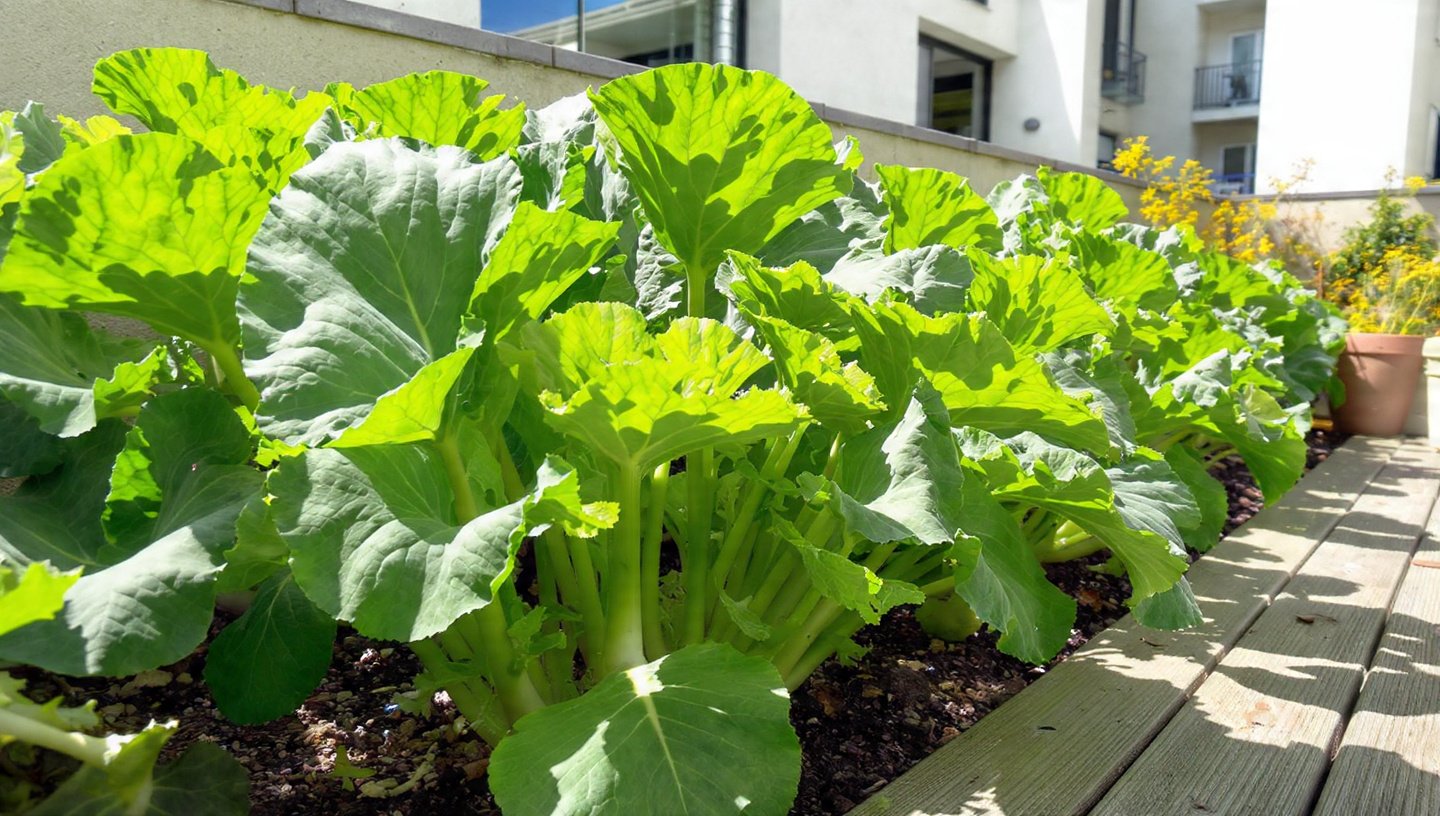
Kohlrabi, often called the “German turnip,” is a crunchy, mild-flavored vegetable that belongs to the cabbage family. With its unique globe-shaped stem and crisp, juicy texture, it is a favorite in salads, soups, and stir-fries. Traditionally grown in garden beds, kohlrabi can also thrive in soilless setups, making it perfect for urban gardeners with terraces, balconies, or limited space.
In this guide, we’ll show you how to grow big, lush kohlrabi right on your terrace without soil, using simple hydroponic or container-based methods that maximize space, nutrition, and growth.
Why Grow Kohlrabi Soillessly?
Growing kohlrabi without soil has several advantages:
- Space-Saving: Ideal for terraces, rooftops, and balconies.
- Faster Growth: Plants grow more quickly as nutrients are directly available to roots.
- Pest Reduction: Soilless systems reduce the risk of soil-borne diseases and pests.
- Clean Harvest: No muddy roots or dirty vegetables to wash.
- Nutrient Control: You can precisely control nutrient levels for optimal growth.
Whether you want a compact terrace garden or a full-fledged hydroponic setup, kohlrabi responds exceptionally well to soilless cultivation.
Step 1: Choosing the Right Kohlrabi Variety
For terrace cultivation, select varieties suitable for container or hydroponic growth:
- ‘Azur Star’: Early-maturing, mild flavor, and compact growth.
- ‘Kossak’: Large bulbs with firm texture; great for salads.
- ‘Superschmelz’: Slow to become woody, ideal for extended harvesting.
Choose varieties based on your terrace space, preferred bulb size, and harvest frequency.
Step 2: Understanding Soilless Growth Systems
You don’t need traditional soil to grow kohlrabi. Popular soilless methods include:
1. Hydroponics
- Roots are submerged in a nutrient-rich water solution.
- Provides oxygen and essential nutrients directly to roots.
- Options include deep water culture (DWC), nutrient film technique (NFT), or simple container-based water culture.
2. Coco Coir or Peat-Based Media
- Mix coconut coir, perlite, and vermiculite for a lightweight soilless medium.
- Holds moisture and nutrients while providing root support.
- Works well in pots, grow bags, or terrace planters.
3. Water-Growing (Simplest Method)
- Place kohlrabi seedlings in water-filled containers with added liquid fertilizer.
- Roots develop directly in nutrient solution.
- Ideal for beginners or terrace gardeners with limited resources.
Step 3: Preparing Containers or Hydroponic Setup
Containers:
- Use deep pots or buckets (at least 12 inches) to accommodate bulb development.
- Ensure drainage holes if using a medium like coco coir.
Hydroponic Setup:
- Use opaque containers to prevent algae growth.
- Add a net pot or mesh basket to hold the seedlings while roots hang freely in nutrient solution.
- Ensure access to light and aeration; a small air pump can boost oxygen for roots.
Step 4: Sowing Kohlrabi Seeds
Kohlrabi grows quickly, and terrace sowing is easy:
- Seed Selection: Use fresh seeds from a trusted supplier.
- Germination: Start seeds in a small container with moist coco coir or seed starter plugs.
- Temperature: Optimal germination is 60–75°F (15–24°C).
- Watering: Keep medium moist, not soggy.
- Transplanting: When seedlings have 2–4 true leaves, they’re ready to move to your soilless setup.
For hydroponic setups, you can germinate seeds in plugs and then transfer them to net pots with nutrient solution.
Step 5: Providing Nutrients
Soilless systems rely on a well-balanced nutrient solution for healthy growth:
- Essential Nutrients: Nitrogen, phosphorus, potassium, magnesium, calcium, and trace elements.
- Commercial Hydroponic Solutions: Easily available in stores; follow the label for mixing ratios.
- DIY Option: Use diluted organic liquid fertilizers such as seaweed extract, fish emulsion, or compost tea.
- Frequency: Replace or refresh nutrient solution every 1–2 weeks.
Tip: Regularly check pH (ideally 5.8–6.2) to ensure proper nutrient absorption.
Step 6: Light Requirements
Kohlrabi needs adequate sunlight or artificial light to thrive:
- Terrace Sunlight: Place your containers or hydroponic setup in a spot with 6–8 hours of direct sunlight daily.
- Indoor/Low Light: Use full-spectrum LED grow lights for 12–14 hours a day to mimic natural conditions.
Proper light ensures thick, healthy bulbs and vibrant green leaves.
Step 7: Watering and Aeration
Even in soilless systems, water management is crucial:
- Hydroponic Roots: Keep roots in oxygenated nutrient solution.
- Media-Based Containers: Keep the medium evenly moist but not waterlogged.
- Aeration: Consider adding a small air pump or bubbling system in water culture setups to prevent root suffocation.
Consistent moisture and oxygen supply promote fast growth and crisp bulb development.
Step 8: Pruning and Leaf Care
Kohlrabi produces edible leaves, which can be harvested alongside bulbs:
- Leaf Harvesting: Pick outer leaves when 4–6 inches long; younger leaves are tender and flavorful.
- Pruning: Remove yellowing or damaged leaves to encourage healthy growth.
- Spacing: Thin overcrowded seedlings to prevent bulb competition.
Regular maintenance ensures both bulbs and leaves grow large and lush.
Step 9: Pests and Disease Management
Soilless terrace setups reduce many traditional pests, but vigilance is key:
- Common Pests: Aphids, whiteflies, and flea beetles.
- Prevention: Inspect leaves regularly and use yellow sticky traps if necessary.
- Organic Treatments: Neem oil or insecticidal soap works well for minor infestations.
- Disease Prevention: Ensure good airflow and avoid stagnant water to prevent fungal issues.
Step 10: Harvesting Kohlrabi
Kohlrabi grows quickly, and soilless setups often produce larger bulbs:
- Time to Harvest: 6–10 weeks after transplanting for most varieties.
- Size: Harvest bulbs when 2–4 inches in diameter for tender, crisp flavor. Larger bulbs may become woody.
- Method: Twist or cut the bulb just above the medium or water line. Harvest outer leaves along with bulbs.
Regular harvesting encourages continued growth and prevents overcrowding in containers.
Step 11: Continuous Year-Round Growth
One of the best aspects of terrace soilless gardening is continuous cultivation:
- Succession Planting: Sow seeds every 3–4 weeks for a continuous supply of fresh kohlrabi.
- Indoor Extension: Bring containers indoors or use grow lights during winter months.
- Reuse Media or Nutrient Solution: Refresh for new batches without starting from scratch.
With careful planning, your terrace can supply fresh kohlrabi year-round.
Step 12: Creative Uses for Terrace Kohlrabi
Growing kohlrabi on your terrace has culinary and aesthetic benefits:
- Salads: Crisp, mild bulbs add texture and flavor.
- Stir-Fries: Leaves and bulbs are excellent in Asian dishes.
- Pickling: Kohlrabi makes a crunchy, tangy pickle.
- Terrace Display: Globe-shaped bulbs and lush leaves create visual appeal in hanging containers or raised beds.
Combining functionality and beauty makes terrace kohlrabi a gardener’s delight.
Step 13: Troubleshooting Common Issues
- Bulbs Stay Small: Ensure adequate nutrients, light, and spacing.
- Leaves Yellowing: Check nutrient levels, pH, and watering.
- Slow Growth: Insufficient sunlight or low temperatures can slow development.
- Root Rot: Avoid stagnant water and ensure proper drainage in container setups.
Monitoring your plants regularly helps prevent these common issues.
Step 14: Tips for Maximizing Success
- Use high-quality seeds or seedlings to ensure healthy plants.
- Maintain consistent moisture in hydroponic or media setups.
- Provide 6–8 hours of sunlight or grow light daily.
- Keep nutrient solution balanced and refreshed regularly.
- Harvest bulbs and leaves on time to encourage continuous production.
- Rotate containers for even growth and light exposure.
With these tips, you can enjoy lush, large kohlrabi crops on your terrace without soil.
Conclusion
Soilless terrace gardening makes growing kohlrabi easier, cleaner, and more productive than traditional soil methods. By selecting the right variety, using a hydroponic or coco coir-based system, providing adequate light, water, and nutrients, and maintaining the plants carefully, you can cultivate big, crisp, and flavorful kohlrabi bulbs year-round.
Whether you’re an urban gardener with limited space or a terrace enthusiast looking for fresh, homegrown vegetables, kohlrabi in soilless containers is a rewarding choice. Not only does it deliver nutritious, tasty produce, but it also transforms your terrace into a green, thriving oasis.
With patience, consistent care, and proper setup, you can enjoy a continuous supply of lush kohlrabi right on your terrace—no soil required!