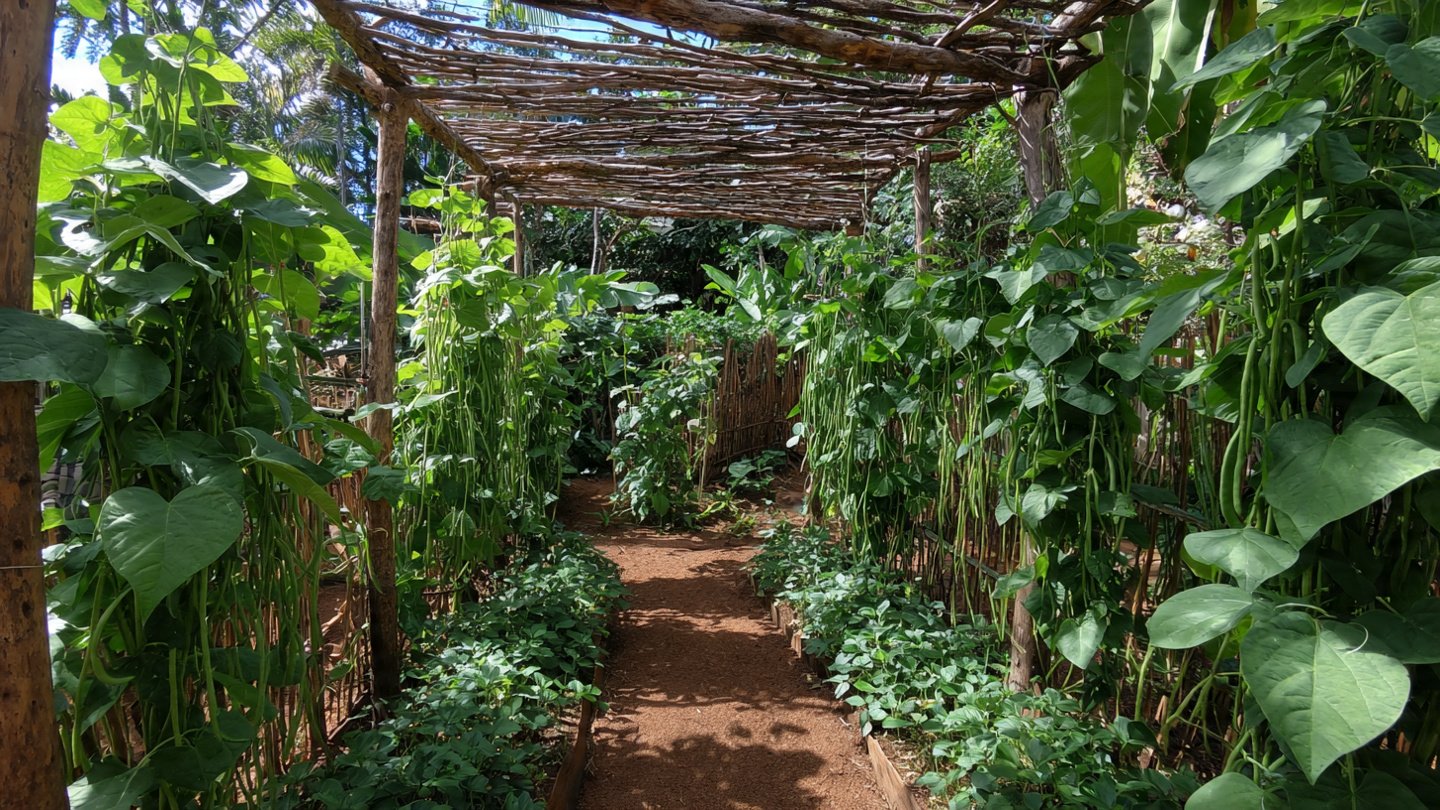
Gardening can often feel like a full-time job. The constant watering, weeding, pest control, and soil management can overwhelm even the most enthusiastic gardeners. But what if you could create a garden that thrives with minimal effort—producing abundant, nutritious crops without constant attention? That’s exactly what I discovered when I built my dream high-yield cowpea garden.
Cowpeas, also known as black-eyed peas, are resilient legumes native to Africa that are prized for their versatility, nutritional content, and ability to thrive in challenging conditions. They are drought-tolerant, fix nitrogen in the soil, and can produce generous yields even in poor-quality soil. With the right design and setup, you can create a virtually “no-care-needed” cowpea garden that rewards you with bountiful harvests.
In this article, I will share my step-by-step journey, techniques, and tips for building a low-maintenance, high-yield cowpea garden that delivers fresh, protein-rich beans season after season.
Why Cowpeas?
Before diving into the garden design, it’s worth understanding why cowpeas are the perfect crop for a low-maintenance garden:
- Drought Resistance: Cowpeas tolerate dry conditions far better than many other legumes. Once established, they require minimal watering.
- Soil Improvement: As nitrogen-fixing plants, cowpeas enrich the soil, reducing the need for chemical fertilizers.
- High Yield Potential: With proper spacing and a supportive environment, a small cowpea garden can yield surprisingly large harvests.
- Nutritional Value: Cowpeas are rich in protein, fiber, vitamins, and minerals, making them an essential staple for a healthy diet.
- Pest Tolerance: While not immune, cowpeas are less susceptible to many common garden pests compared to other crops.
These traits make cowpeas ideal for gardeners who want a productive, low-maintenance vegetable patch.
Planning My No-Care Cowpea Garden
The key to a high-yield, low-maintenance cowpea garden is preparation. Here’s how I planned mine:
1. Selecting the Right Variety
Cowpeas come in several varieties, each with unique growth habits, pod sizes, and maturity times. I chose a bush-type cowpea, which matures quickly and requires less staking than vining varieties. Bush cowpeas also produce all their pods within a short period, making harvesting easier.
Some popular high-yield, low-maintenance varieties include:
- Black-eyed pea (California Blackeye) – drought-tolerant, prolific.
- Red Ripper – high yields, flavorful pods.
- Iron & Clay – heat-tolerant, robust in poor soil.
Choosing the right variety ensures the garden thrives with minimal intervention.
2. Choosing the Site
Cowpeas prefer full sun and well-draining soil. I selected a plot that receives at least 6–8 hours of sunlight daily. The area was slightly elevated to prevent waterlogging after rains—a critical factor in keeping the garden low-maintenance.
Soil preparation was minimal: I removed large rocks and debris, lightly tilled the soil, and left the natural structure intact. Cowpeas are remarkably adaptable and don’t require heavy fertilization, especially if grown in soil with prior crops that add organic matter.
3. Garden Layout
A thoughtful layout reduces future labor. I arranged my cowpea garden in raised rows with spacing of 30–40 cm between plants. This allows air circulation, reduces disease risk, and makes harvesting easier. For bush varieties, rows spaced about 60 cm apart were sufficient.
I also designed paths between the rows, so I could harvest without stepping on the plants—another small adjustment that saved time and preserved plant health.
Building the Garden
Once the planning was done, it was time to bring the garden to life.
Step 1: Preparing the Soil
Although cowpeas can tolerate poor soil, I wanted a fertile start to maximize yields. I added a thin layer of compost and aged manure to enrich the soil naturally. I avoided chemical fertilizers, knowing that cowpeas’ nitrogen-fixing ability would take care of most nutrient needs.
The goal was to give the plants a strong start without creating a garden that demands constant care.
Step 2: Sowing the Seeds
I directly sowed the cowpea seeds into prepared rows, spacing them 30 cm apart. To ensure even germination, I soaked the seeds overnight before planting. This encourages faster sprouting and reduces seed rot in case of light rainfall.
After sowing, I covered the seeds lightly with soil, leaving them undisturbed. No heavy watering or constant monitoring was needed—just occasional checking to ensure the soil didn’t dry completely during extremely hot periods.
Step 3: Mulching
Mulching was a game-changer in making this garden low-maintenance. I spread a thick layer of straw and dried leaves around the plants to:
- Retain soil moisture
- Suppress weeds
- Regulate soil temperature
This simple step drastically reduced my weeding efforts and kept the garden thriving during dry spells. Cowpeas love warmth, so the mulch also helped maintain optimal root conditions.
Minimal Maintenance Strategies
The beauty of a well-planned cowpea garden is that once established, it practically takes care of itself. Here’s how I kept my garden low-maintenance:
1. Watering
Cowpeas are drought-tolerant, so I only watered them during prolonged dry periods. Early morning or late afternoon watering was sufficient, reducing evaporation and keeping the soil slightly moist. Once the plants developed deep roots, rainfall alone sustained them.
2. Weed Control
Thanks to the mulch, weeds were minimal. Any small weeds that sprouted were easy to pull by hand. I didn’t need herbicides or constant weeding sessions.
3. Pest Management
Cowpeas attract some pests, such as aphids and pod borers, but I found that interplanting with aromatic herbs like basil, mint, and rosemary helped repel them naturally. Additionally, leaving small native insect habitats near the garden encouraged beneficial predators like ladybugs and spiders to keep pests in check.
4. Supporting Soil Fertility
Cowpeas’ nitrogen-fixing ability reduces the need for fertilizers. After each harvest, I left some plants to decompose naturally, enriching the soil for the next season. Over time, the garden became self-sustaining.
Harvesting the Cowpeas
Harvesting is where the payoff of minimal-care gardening becomes evident. Bush cowpeas start producing pods 6–8 weeks after sowing, and the yields can be impressive.
I harvested every few days, gently picking mature pods. Continuous harvesting encouraged the plants to produce more pods, while leaving old pods could reduce productivity. In my garden, a single 10-square-meter plot produced enough cowpeas to feed my family and have surplus for storage.
Cowpeas can also be harvested in different stages:
- Young pods – for fresh eating
- Mature pods – for drying and long-term storage
- Seeds – for future planting
This versatility makes them a perfect crop for gardeners looking for high returns with minimal labor.
Lessons Learned
Creating my dream cowpea garden taught me several valuable lessons:
- Planning Saves Effort: Proper spacing, layout, and variety selection drastically reduce ongoing maintenance.
- Nature Does the Work: Cowpeas’ natural hardiness means less watering, fertilizing, and pest control.
- Mulch is Magic: Mulching is the single most effective strategy for low-maintenance gardening.
- Interplanting Helps: Companion plants reduce pests and improve soil health, making the garden self-regulating.
- Observation Over Intervention: Sometimes, less interference produces the best results. The plants are resilient—they just need the right environment.
Why This Garden Feels Like a Dream
The beauty of this cowpea garden is that it combines productivity, sustainability, and simplicity. It doesn’t demand constant attention, yet it consistently delivers nutritious, protein-rich crops.
It’s a garden that works with nature, not against it. Rainfall, soil fertility, and the cowpeas’ natural growth habits create a harmonious system that thrives even when I’m busy with other tasks. For anyone looking to grow food sustainably without the stress of high-maintenance gardening, a cowpea garden is the ultimate solution.
Tips for Expanding Your Low-Care Cowpea Garden
- Rotate Crops: After harvesting cowpeas, plant other legumes or leafy greens to maintain soil fertility.
- Scale Up Gradually: Start with a small plot and expand once you’re comfortable with care routines.
- Save Seeds: Harvest seeds from healthy plants for the next season, reducing costs and ensuring adaptation to your local environment.
- Experiment with Companion Plants: Cowpeas do well with corn, squash, and aromatic herbs. Experimenting can improve yields naturally.
- Minimal Intervention: Resist the urge to overwater or fertilize. Cowpeas thrive on simplicity.
Conclusion
Building a high-yield cowpea garden that requires almost no care is not only possible—it’s incredibly rewarding. By carefully planning the garden layout, choosing resilient varieties, mulching effectively, and allowing nature to do most of the work, I created a sustainable, productive, and stress-free vegetable patch.
Cowpeas offer the perfect balance between low maintenance and high nutritional output. For gardeners seeking a “set-it-and-forget-it” solution that still produces generous harvests, this legume is a dream come true.
My cowpea garden taught me that sometimes, less truly is more. By trusting the plants, respecting natural processes, and creating optimal conditions, even a busy gardener can enjoy a thriving, abundant garden with minimal effort.
If you’re looking for a low-maintenance crop with maximum rewards, start planting cowpeas today. Your dream garden may be easier to achieve than you think.