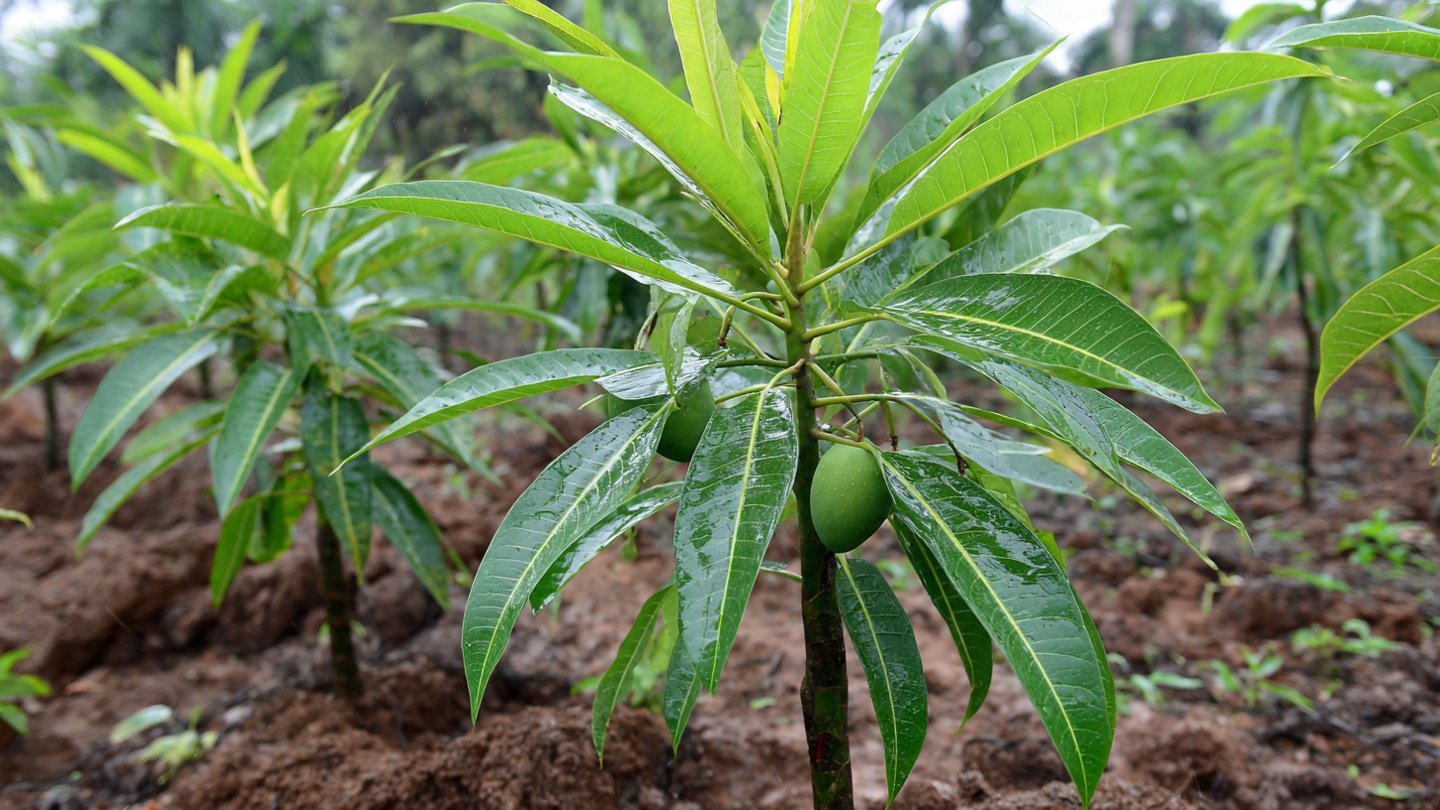
Mangoes, often called the “king of fruits,” are beloved worldwide for their sweet, juicy, and aromatic flesh. Growing mango trees at home or commercially has always been a rewarding endeavor, but traditional propagation methods can be slow and unpredictable. A mature mango tree can take 5–8 years to bear fruit if grown from seed, and even grafted trees sometimes struggle with growth consistency and disease resistance.
Fortunately, next-generation mango propagation techniques are changing the game. By using modern methods that combine traditional grafting principles with innovative approaches, gardeners and farmers can now grow mango trees faster, stronger, and more fruitful than ever before. In this article, we’ll explore these techniques and provide a step-by-step guide for successful mango propagation.
Why Consider Advanced Mango Propagation Techniques?
Before diving into methods, it’s essential to understand why next-generation propagation is beneficial.
- Faster Fruiting: Advanced techniques reduce the time to fruiting, sometimes producing harvestable mangoes within 2–3 years.
- Stronger Trees: Improved root systems and careful grafting create trees that are more resilient to drought, pests, and diseases.
- Uniform Fruit Quality: Propagated trees maintain the characteristics of the parent tree, ensuring consistent size, taste, and color.
- Space Efficiency: Some methods allow high-density planting, making them ideal for small gardens or commercial orchards.
Traditional seed propagation is slow and unpredictable because mangoes grown from seeds often do not resemble the parent tree. Next-generation methods overcome these limitations.
Understanding Modern Mango Propagation Methods
Several innovative techniques are now widely used to propagate mango trees more effectively:
1. Polybag Nursery Grafting
Polybag grafting is a modern twist on traditional grafting, which uses rootstocks grown in polybags rather than in open fields.
- Advantages:
- Better root development due to controlled soil conditions.
- Reduced transplant shock when moving saplings to the field.
- Faster establishment of grafts and healthier growth.
- How It Works:
- Select a healthy, disease-free rootstock grown in a nutrient-rich polybag.
- Use a scion from a high-quality fruiting mango tree.
- Perform grafting (cleft grafting is common) and secure with tape or grafting clips.
- Keep the grafted plant under shade for 2–3 weeks while it establishes.
Polybag grafted mango trees grow faster, with a stronger root system that supports vigorous shoots and early flowering.
2. Air Layering (Marcottage)
Air layering, also known as marcottage, is a technique where a branch of a mature mango tree is induced to form roots while still attached to the parent plant.
- Advantages:
- Produces genetically identical trees.
- Faster fruiting because the new tree is physiologically mature.
- Stronger trees due to established branch tissue.
- How It Works:
- Select a healthy branch about 1–2 years old.
- Make a small upward cut or remove a ring of bark from the branch.
- Apply rooting hormone to the wounded area.
- Wrap the cut with moist sphagnum moss and cover with plastic to retain moisture.
- Roots form in 6–8 weeks. Once roots are visible, cut the branch and plant it in soil.
Air-layered mango trees often start flowering within 2–3 years, producing fruit much faster than seed-grown trees.
3. In-Vitro Tissue Culture (Micropropagation)
Tissue culture is a high-tech propagation method mostly used in commercial orchards. It involves growing mango plants from tiny tissue samples in sterile laboratory conditions.
- Advantages:
- Produces disease-free plants.
- Can multiply large numbers of plants from a single parent.
- Uniform growth and fruit quality.
- How It Works:
- Select a small tissue sample from a healthy mango tree (usually a bud or shoot tip).
- Place it in a sterile nutrient medium with growth hormones.
- Over several weeks, the tissue forms shoots and roots.
- Transfer plantlets to soil under controlled conditions.
While tissue culture requires technical expertise, it’s a revolutionary method for large-scale propagation of high-quality mango varieties.
Step-by-Step Guide for Next-Generation Mango Propagation at Home
For home gardeners, polybag grafting and air layering are the most practical and effective methods. Here’s a step-by-step approach for each:
Step 1: Select Quality Rootstock and Scion
- Rootstock should be disease-free, vigorous, and preferably grown in a polybag.
- Scion wood should come from a healthy, high-yielding mango tree with desirable fruit traits.
- Ensure both rootstock and scion are about the same thickness for successful grafting.
Step 2: Prepare the Rootstock
- If using polybag-grown seedlings, ensure they are 4–6 months old.
- Water the seedlings a day before grafting to keep them turgid.
- Trim the top of the rootstock to create a clean grafting site.
Step 3: Graft the Scion
- Cleft Grafting (Common Method):
- Make a vertical cut at the top of the rootstock, forming a small cleft.
- Prepare the scion by cutting it into a wedge shape.
- Insert the scion into the cleft so that the cambium layers align.
- Wrap the graft with grafting tape to secure it.
- Cover with a plastic bag or shade cloth for 2–3 weeks to maintain humidity.
- Keep the plant in a shaded, well-ventilated area until the graft union heals.
Step 4: Air Layering Alternative
- Select a strong branch on a mature mango tree.
- Remove a ring of bark about 1 inch wide.
- Apply rooting hormone to the exposed area.
- Wrap with moist sphagnum moss and secure with plastic.
- After 6–8 weeks, check for root formation.
- Cut below the rooted area and plant in well-draining soil.
Step 5: Care After Propagation
- Watering: Keep soil consistently moist, avoiding waterlogging.
- Fertilization: Apply balanced fertilizer monthly for polybag saplings.
- Sunlight: Gradually acclimate plants to full sun after 2–3 weeks.
- Pest Management: Watch for common pests like mealybugs and aphids. Use organic sprays as needed.
With proper care, grafted or air-layered mango trees can begin flowering and fruiting in 2–3 years.
Advantages of Next-Generation Propagation
- Faster Growth: Trees reach fruit-bearing maturity much earlier than seed-grown plants.
- Higher Yield: Strong, well-rooted trees produce abundant, consistent fruit.
- Disease Resistance: Healthy rootstock and scion reduce susceptibility to soil-borne and viral diseases.
- Clonal Fidelity: Trees maintain the parent tree’s fruit characteristics, flavor, and size.
- Space Efficiency: Polybag and air-layering methods allow high-density planting without crowding roots.
Choosing the Right Mango Varieties for Propagation
Not all mango varieties respond equally to advanced propagation. Popular varieties for home and commercial propagation include:
- Alphonso: Sweet, aromatic, ideal for grafting.
- Dasheri: Early-fruiting and prolific.
- Kent: Large, juicy fruits with good disease resistance.
- Himsagar: Fast-growing, high-yield variety for tropical climates.
Selecting high-quality, locally adapted varieties ensures better survival and fruiting.
Conclusion
Next-generation mango propagation techniques are revolutionizing how gardeners and farmers grow mango trees. Whether you choose polybag grafting or air layering, these methods offer faster, stronger, and more fruitful trees compared to traditional seed propagation.
By selecting healthy rootstock and scion, following careful grafting or layering procedures, and providing proper care, you can enjoy mango trees that begin fruiting in just 2–3 years—half the time of conventional seed-grown trees.
For home gardeners, these methods are practical and cost-effective, while commercial growers benefit from uniform, high-yield crops. With a little attention, patience, and adherence to best practices, anyone can adopt these next-generation propagation techniques and enjoy sweet, juicy mangoes sooner and more reliably than ever.