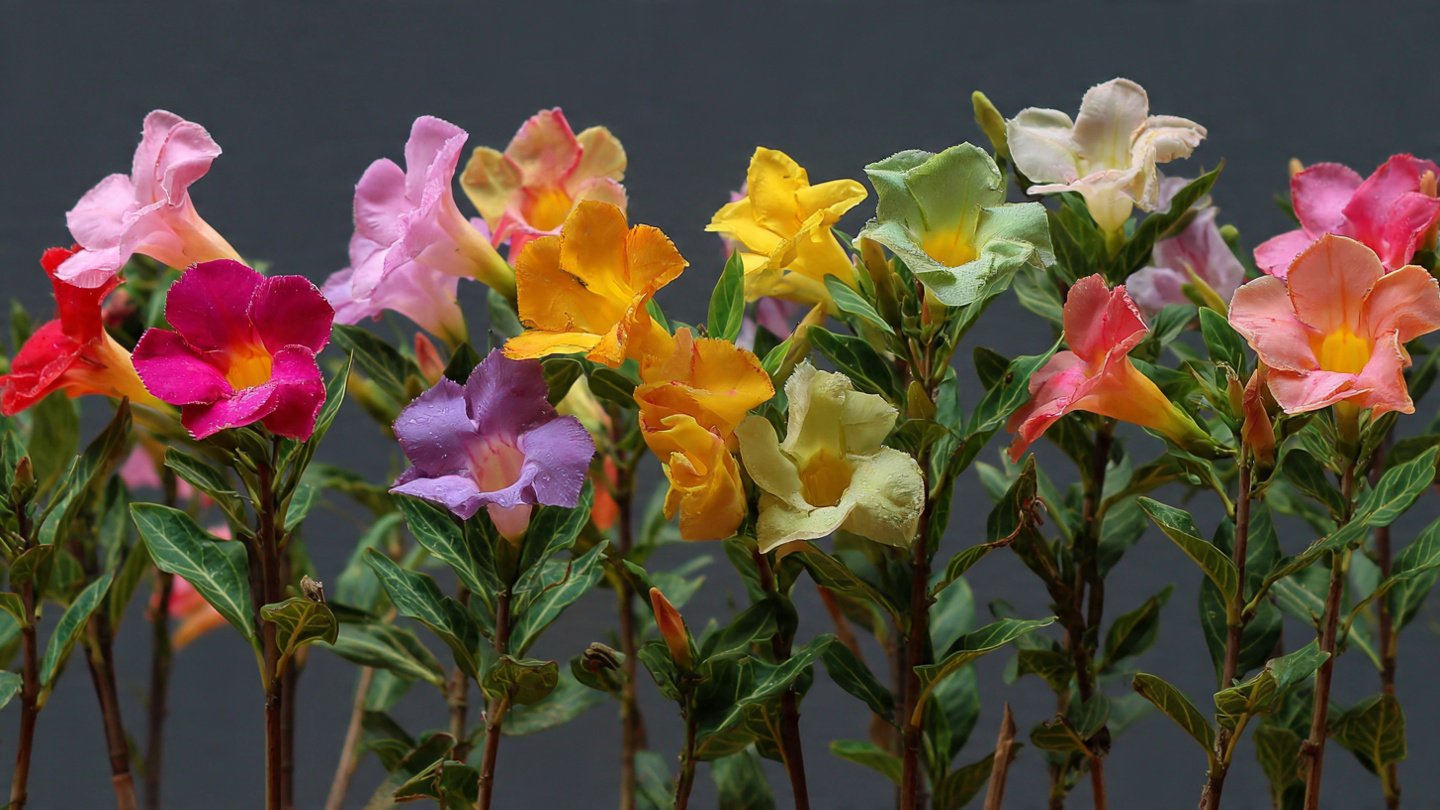
Imagine having a single Allamanda plant that blooms in vibrant yellows, deep oranges, and fiery reds all at once. Thanks to multiple-colour grafting techniques, this is now possible. Allamanda, commonly known as the Golden Trumpet, is already prized for its bright, trumpet-shaped flowers and lush green foliage, but grafting allows gardeners to combine multiple varieties on one plant, creating a living rainbow in your garden. In this guide, we’ll explore how to graft Allamanda for multiple colors, step by step, making it achievable even for home gardeners.
Why Graft Allamanda for Multiple Colors?
Allamanda naturally grows in a single color per plant. However, grafting offers several advantages:
- Aesthetic appeal: Enjoy multiple flower colors on one plant, creating a stunning display.
- Space-saving: Instead of growing multiple plants, a single grafted plant produces variety in one pot or garden spot.
- Experimentation: Grafting allows gardeners to try combinations of colors and varieties.
- Faster flowering: Grafted plants often bloom faster than plants grown from seeds.
The result is a beautiful rainbow Allamanda that becomes the focal point of any garden.
Understanding Allamanda
Before attempting grafting, it’s important to understand the plant:
- Botanical name: Allamanda cathartica
- Growth type: Evergreen shrub or climber with glossy leaves
- Flowers: Typically yellow, but hybrids may produce orange or red blooms
- Climate: Thrives in warm, sunny environments with good drainage
Allamanda is fast-growing and responds well to pruning and care, which makes it ideal for grafting projects.
Selecting the Right Varieties
For multiple-colour grafting, choosing compatible varieties is key:
- Yellow Allamanda: Classic bright yellow blooms, fast-growing and hardy
- Orange Allamanda: Adds warmth and contrast
- Red Allamanda or hybrids: Adds striking vibrancy to the plant
Make sure to select healthy, disease-free plants. Both the rootstock and scion (the branch to be grafted) should be in optimal condition for the best results.
Choosing the Rootstock
The rootstock forms the base of your grafted plant and provides stability and nutrients for all the grafted branches:
- Select a healthy, well-established Allamanda with strong roots.
- The rootstock should ideally be compatible in growth rate with the scions.
- Avoid diseased or weak plants, as this can compromise graft success.
A strong rootstock ensures that all scions develop well, giving you healthy, colorful blooms.
Preparing the Scions
Scions are the branches from the donor Allamanda plants that you want to graft:
- Choose young, healthy branches with no signs of disease or damage.
- Cut scions at a 45-degree angle, about 3–5 inches long.
- Make sure each scion has at least two nodes (where leaves or buds can develop).
- Keep scions in moist conditions until grafting to prevent desiccation.
Healthy scions are essential for successful grafting and color diversity.
Grafting Techniques for Rainbow Allamanda
There are several grafting methods, but cleft grafting and side grafting are commonly used for Allamanda:
1. Cleft Grafting
- Make a vertical split in the rootstock about 1–2 inches deep.
- Insert the scion into the split, ensuring the cambium layers of both stock and scion align.
- Secure with grafting tape or rubber bands to hold the scion in place.
2. Side Grafting
- Cut a small slit in the side of the rootstock.
- Insert the scion into the slit, aligning the cambium layers.
- Wrap tightly with grafting tape and protect from sunlight for a few days.
Both methods are effective; the key is ensuring good contact between the cambium layers, as this is where nutrients transfer and the graft takes hold.
Post-Grafting Care
After grafting, proper care ensures high success rates:
- Shade the grafted plant for the first week to reduce stress.
- Maintain soil moisture: Water lightly to keep roots hydrated without waterlogging.
- Avoid fertilizing immediately: Let the graft establish for 2–3 weeks before applying mild liquid fertilizer.
- Check for success: The scion should start producing new leaves within 2–4 weeks.
Regular monitoring prevents graft failure and promotes healthy growth of each color branch.
Training and Pruning
Once the grafts are successful, training and pruning help maintain a beautiful, structured plant:
- Prune competing branches to focus energy on grafted scions.
- Stake tall branches if necessary to prevent bending.
- Encourage balanced growth by rotating branches and trimming as needed.
Proper pruning ensures that the plant grows evenly, and each color gets enough sunlight for vibrant flowering.
Flowering and Maintenance
Grafted Allamanda blooms can appear within 6–12 months depending on care and variety:
- Sunlight: Full sun is essential for vibrant colors.
- Watering: Keep soil moist but well-drained.
- Fertilization: Use phosphorus-rich fertilizers to encourage flowering.
- Pest control: Watch for aphids, mealybugs, or spider mites; treat with neem oil if necessary.
With consistent care, your rainbow Allamanda can bloom throughout the growing season, providing a spectacular display.
Combining Multiple Colors
For the rainbow effect:
- Graft scions of different colors onto various sides of the rootstock.
- Space scions evenly to ensure each branch receives sufficient sunlight.
- Monitor growth and prune regularly to prevent overcrowding or overshadowing.
This approach allows you to create a single Allamanda plant with multiple vibrant colors, making it a true centerpiece in your garden or patio.
Benefits of a Rainbow Allamanda
- Visual appeal: Multiple colors in one plant are striking and unique.
- Space-saving: Instead of planting multiple Allamanda shrubs, one grafted plant provides variety.
- Educational: A great project for learning about grafting and plant biology.
- Showpiece: Perfect for patios, balconies, or garden entrances, drawing attention from visitors.
A rainbow Allamanda is not only beautiful but also a rewarding gardening project that demonstrates creativity and skill.
Tips for Success
- Always use sharp, sterilized tools to prevent infections.
- Keep scions hydrated before grafting.
- Monitor grafts daily for signs of stress.
- Protect young grafts from extreme sun, wind, or heavy rain.
- Be patient—Allamanda grafts take time to fully establish and produce flowers.
With attention to detail and consistent care, success rates can be very high, giving you a multi-colored flowering plant that’s the envy of any garden.
Conclusion
Grafting multiple colors onto a single Allamanda plant is an innovative and visually stunning gardening technique. By following these steps—selecting healthy rootstock and scions, using proper grafting techniques, and providing attentive post-grafting care—you can create a rainbow Allamanda that blooms in a spectrum of colors.
Key takeaways:
- Choose compatible, healthy Allamanda varieties for rootstock and scions.
- Pre-graft preparation, including clean cuts and hydration, is essential.
- Use cleft or side grafting methods, ensuring cambium alignment.
- Provide consistent watering, sunlight, and post-grafting care.
- Train and prune regularly for balanced, even growth.
- Monitor for pests and maintain soil fertility to encourage vibrant blooms.
By grafting multiple Allamanda varieties onto a single plant, you not only save space but also create a stunning rainbow of flowers that brings beauty, vibrancy, and joy to any garden or patio. This project is perfect for gardeners seeking creativity, color, and a unique centerpiece that will flourish year after