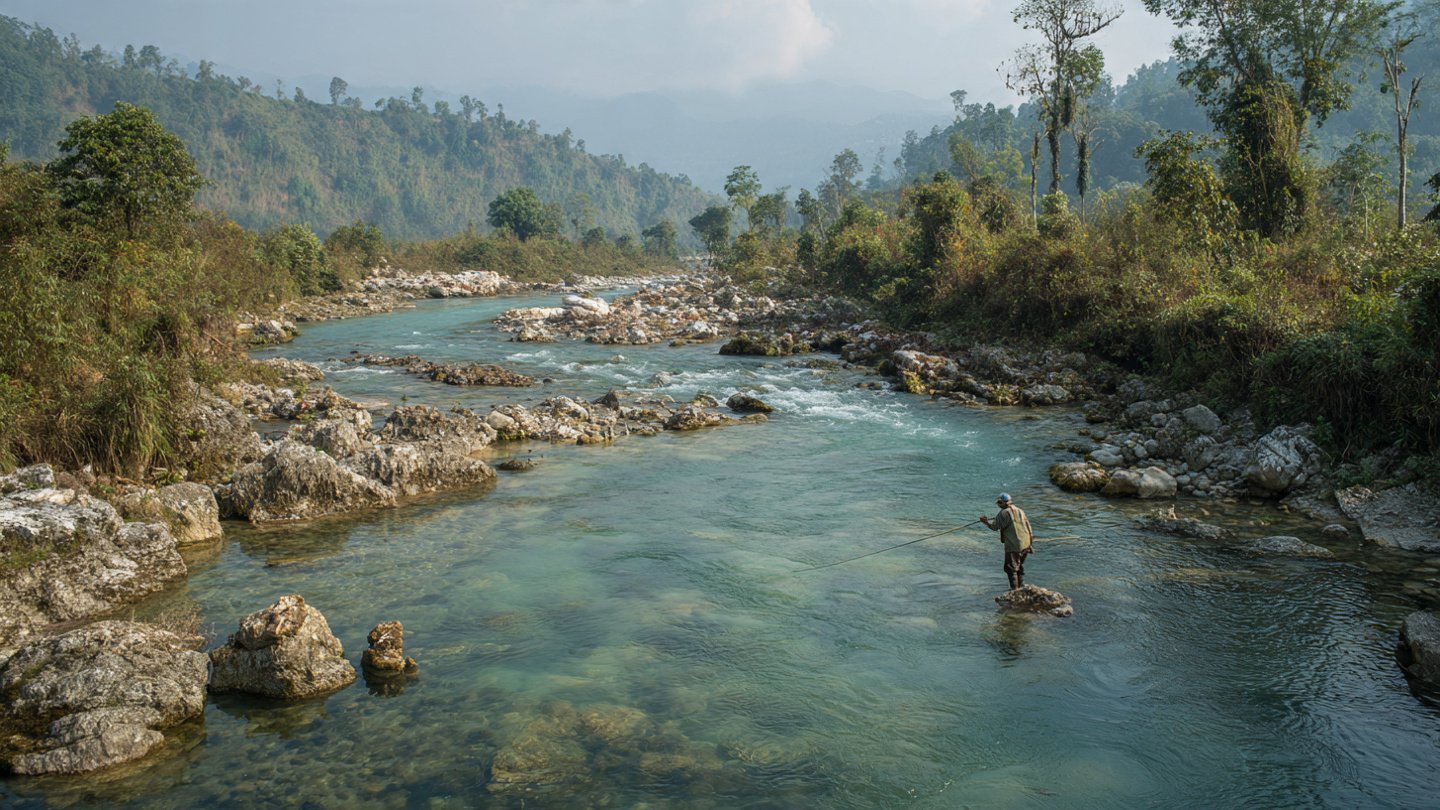
For centuries, rivers have been among the most altered natural landscapes on Earth. From powering mills and irrigating farms to creating reservoirs for human use, rivers have been dammed, straightened, diverted, and blocked by countless artificial structures. While these interventions brought important benefits to human societies, they also fragmented freshwater ecosystems, drastically altering natural water flow and blocking critical pathways for aquatic life. Today, however, a globally significant movement is gaining momentum — the removal of river barriers — and its ecological impact is nothing short of transformative.
In recent years, more than 300,000 river obstacles — including dams, weirs, culverts, and other flow‑blocking structures — have been removed or bypassed across the globe, helping to reconnect streams, revive fish migrations, and restore freshwater ecosystems that have been degraded for decades or even centuries. These efforts reflect a growing understanding that healthy, free‑flowing rivers are essential for biodiversity, ecological resilience, and human well‑being.
Why River Barriers Are a Problem
Humans have constructed millions of obstacles on rivers worldwide, from large hydroelectric dams to small road culverts. Many of these structures were built with good intentions — providing energy, water storage, or transport infrastructure. But over time, they have had unintended consequences:
Habitat Fragmentation
Every dam, weir, or poorly designed culvert interrupts the continuous flow of a river. Even small barriers can prevent aquatic species from reaching important habitats such as spawning grounds, feeding zones, or refuge areas. For migratory fish like salmon, trout, sturgeon, and eel, these blockages can mean the difference between survival and collapse.
Disruption of Natural Processes
Rivers are dynamic systems where water, sediment, and nutrients move constantly downstream. Barriers disrupt this flow, trapping sediment behind structures and starving downstream reaches of vital materials. This disruption degrades habitat quality and can cause erosion, altered channel shapes, and water quality issues.
Ecological Decline
Fragmented rivers have been linked to dramatic declines in fish populations. In Europe, for instance, freshwater migratory fish populations fell by an estimated 75% since 1970, with river barriers identified as a major driver of that loss.
A Global Shift: Removing Barriers to Restore Rivers
Recognizing these severe impacts, governments, non‑profits, community groups, tribes, and scientists have started removing obsolete or harmful barriers. These range from large hydroelectric dams that no longer serve their purpose to smaller infrastructure pieces like outdated culverts or weirs.
In aggregate, these actions have surpassed a remarkable milestone: more than 300,000 river blockages have now been removed or mitigated worldwide — a testament to the growing global commitment to freshwater restoration.
This movement isn’t limited to one continent or region. From Europe’s ambitious dam removal programs to collaborative projects in North America and early efforts in parts of Asia and Latin America, reconnecting rivers is becoming a global priority.
Europe’s Push for Free‑Flowing Rivers
Europe has been at the forefront of this restoration movement. Over recent years, a coalition of environmental groups under Dam Removal Europe has documented thousands of barriers being dismantled across the continent.
In 2024 alone, 542 barriers were removed across 23 European countries, breaking previous records and reconnecting nearly 2,900 km of river. Countries like Finland, France, Spain, and Sweden led the charge, with some nations removing barriers for the first time.
These efforts are part of a broader policy commitment. The European Union’s Nature Restoration Law aims to restore at least 25,000 km of river to a barrier‑free condition by 2030 — a goal that would significantly improve aquatic connectivity and ecosystem health if achieved.
North America’s River Rewilding
In the United States, similar restoration efforts are underway, often driven by partnerships between federal agencies, tribal governments, and local communities. Programs like the National Fish Passage Program have helped remove or bypass thousands of barriers, reopening tens of thousands of miles of habitat for migratory fish and other aquatic species.
One powerful example comes from the Pacific Northwest, where derelict water intake structures and culverts are being removed to restore upstream spawning and rearing habitat for salmon species that have been blocked for generations.
Smaller projects also matter. In the Roanoke River basin, replacing undersized culverts with bridges allows fish such as striped bass and hickory shad to migrate freely and access critical floodplain habitats.
Ecological Benefits of Barrier Removal
Removing river obstacles does more than just open channels. The ecological responses are broad, deep, and often surprisingly rapid:
Revived Fish Migrations
Reopening migratory routes allows fish to return to historic spawning grounds. This has been seen in rivers where salmon and steelhead, blocked for decades, begin to repopulate upstream reaches within just a few years of barrier removal.
Increased Biodiversity
By reconnecting rivers, other aquatic organisms such as freshwater mussels, amphibians, and invertebrates can also expand their ranges, enhancing overall biodiversity. Reconnected rivers support healthier food webs that sustain birds, mammals, and reptiles as well.
Improved Water Quality and Flow Regimes
Without barriers, rivers can resume natural sediment transport and nutrient cycling. This helps reduce stagnant water zones, lower temperature extremes, and maintain clean, oxygenated water — all essential conditions for aquatic life.
Resilient Ecosystems
Free‑flowing rivers can better withstand climate change stressors such as droughts and floods. Natural flow patterns help absorb floodwaters, recharge floodplain soils, and sustain baseflows during dry periods.
Social, Economic, and Cultural Benefits
Barrier removal projects often benefit human communities as well:
- Fisheries Recovery: Improved fish populations support commercial and recreational fisheries, benefiting local economies and cultural traditions tied to fishing.
- Recreation and Well‑Being: Restored rivers become places for kayaking, swimming, and riverside recreation, promoting physical activity and mental well‑being.
- Flood Risk Reduction: Natural river systems can dissipate flood energy more effectively than heavily modified channels.
- Heritage and Indigenous Rights: For many Indigenous peoples, fish migrations and river ecosystems are central to cultural identity and food sovereignty. Removing barriers often restores access to ancestral resources and supports cultural continuity.
Challenges and Considerations
Not all dams and barriers can or should be removed. Some provide essential services like water storage, energy production, or flood control. Careful planning, environmental impact assessments, and stakeholder engagement are critical to ensure that removal projects benefit both ecosystems and human communities without unintended consequences.
Financial and political support is also crucial. Large removal projects can be costly and technically challenging, requiring collaboration between government agencies, non‑profits, landowners, and international partners.
Looking Ahead: A Future of Flowing Rivers
The removal of over 300,000 river obstacles worldwide marks a turning point in how humans interact with freshwater ecosystems. What was once considered a purely utilitarian landscape of engineered waterways is now being reconsidered as a living network requiring restoration and care.
Experts argue that continued barrier removals, alongside holistic river management strategies, could transform global freshwater systems. Fully reconnected rivers could serve as ecological corridors for migratory species, buffers against climate extremes, and vibrant centers of biodiversity and human enjoyment.
This movement signals a broader shift — one from dominating nature to coexisting with it, recognizing that healthy rivers benefit not just fish and wildlife, but entire human societies. By embracing restoration, we give rivers back their voice and help restore a more balanced, resilient planet.