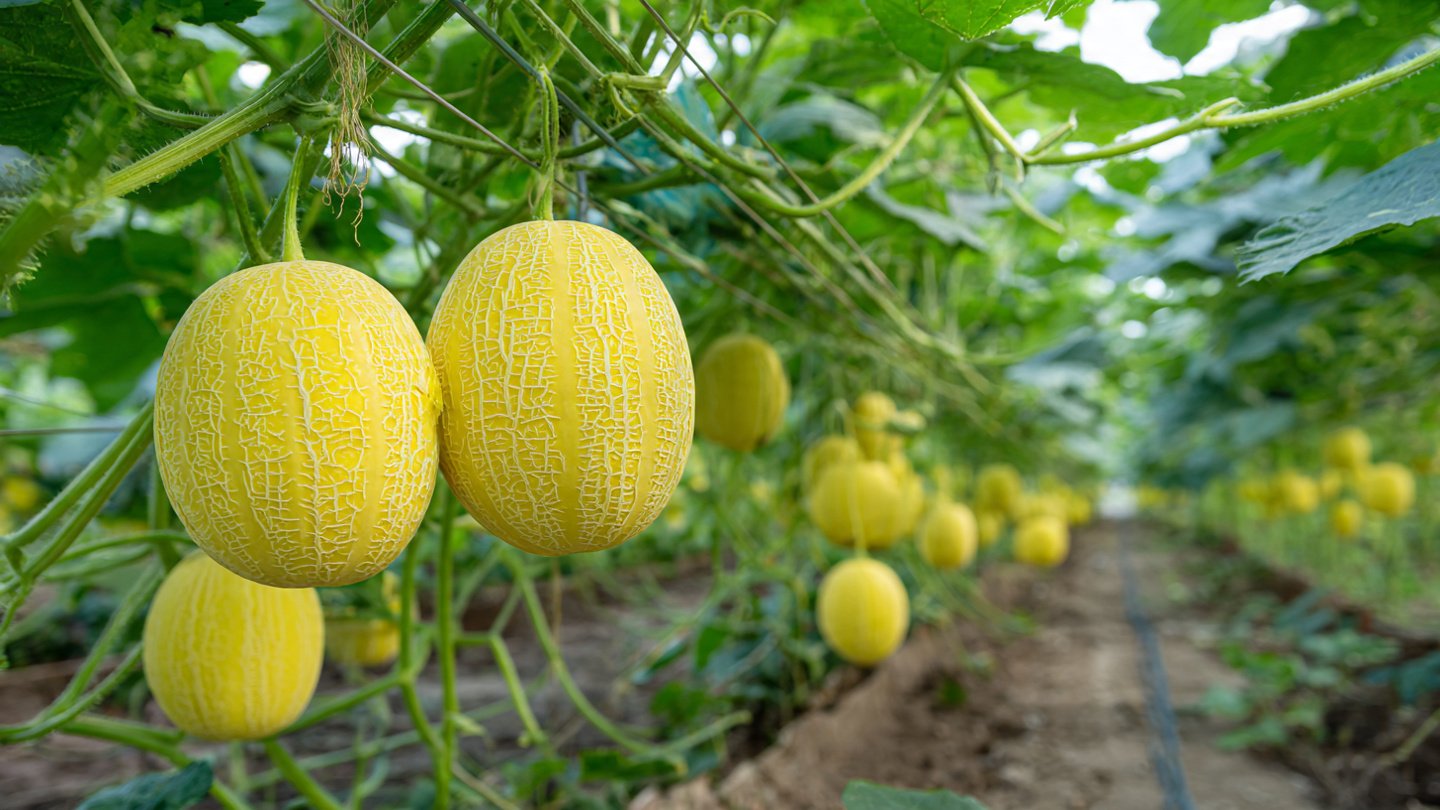
Growing yellow melons—such as Canary melons or Golden melons—is a rewarding endeavor for any home gardener. Their vibrant color, sweet flavor, and juicy texture make them a favorite for summer harvests. However, producing large, sweet fruit requires more than simply planting seeds and waiting for sunshine. Many gardeners make subtle but critical mistakes that prevent melons from reaching their full potential. In this guide, we will explore the most common mistakes to avoid and provide strategies for growing healthy, flavorful yellow melons.
1. Planting Too Early or Too Late
Timing is crucial when planting yellow melons. These plants thrive in warm weather, and exposing them to cold temperatures can stunt growth or kill seedlings.
Common Mistakes:
- Planting too early in the season when the soil is still cold.
- Waiting too long, reducing the growing season and fruit maturity.
How to Avoid It:
- Plant seeds after the last frost date in your region. Soil temperatures should be consistently above 65°F (18°C).
- Consider starting seeds indoors 3–4 weeks before transplanting to gain an early start.
- Use row covers to protect young seedlings if a late frost threatens.
Proper timing ensures that your plants grow vigorously and have a long enough season to produce large, sweet melons.
2. Choosing the Wrong Location
Yellow melons are sun-loving plants that need space and warmth to thrive.
Common Mistakes:
- Planting in shaded areas or close to tall plants that block sunlight.
- Crowding melons too close together, restricting airflow and growth.
How to Avoid It:
- Select a location that receives 6–8 hours of direct sunlight daily.
- Space plants at least 2–3 feet apart in rows or mounds, allowing vines to spread.
- Ensure good air circulation to reduce disease risk.
A sunny, spacious location provides the energy melons need to develop large fruits.
3. Using Poor Soil
Yellow melons are heavy feeders and sensitive to soil quality. Planting in unsuitable soil can result in small, bland fruit.
Common Mistakes:
- Using clay-heavy or poorly drained soil.
- Neglecting soil fertility.
How to Avoid It:
- Plant melons in well-draining, sandy loam soil with rich organic matter.
- Amend soil with compost or well-rotted manure before planting.
- Maintain soil pH between 6.0 and 6.8 for optimal nutrient availability.
Healthy soil encourages strong roots, vigorous growth, and naturally sweet melons.
4. Overwatering or Underwatering
Melons require a delicate balance of moisture. Both overwatering and underwatering can negatively impact fruit quality.
Common Mistakes:
- Overwatering, which leads to root rot or watery, bland melons.
- Underwatering, which causes stunted growth, poor flowering, and small fruits.
How to Avoid It:
- Keep soil consistently moist, especially during flowering and fruit development.
- Water at the base of the plant to avoid wetting leaves, which can cause fungal diseases.
- Reduce watering slightly as fruit approaches maturity to concentrate sugars and improve sweetness.
Monitoring soil moisture carefully is key to producing sweet, high-quality fruit.
5. Neglecting Pollination
Yellow melons are dependent on pollinators, usually bees, for fruit set. Without proper pollination, flowers may drop, resulting in few or misshapen fruits.
Common Mistakes:
- Planting melons where pollinator activity is low.
- Ignoring flower health, which reduces pollination success.
How to Avoid It:
- Encourage pollinators by planting flowers nearby or avoiding pesticides during bloom.
- Hand-pollinate if natural pollination is insufficient: use a small brush to transfer pollen from male to female flowers.
- Identify male and female flowers: male flowers appear first, while female flowers have a small swelling at the base.
Effective pollination increases fruit quantity and ensures each melon develops fully.
6. Allowing Pests and Diseases to Take Hold
Pests and diseases can significantly reduce melon size and sweetness. Common issues include aphids, cucumber beetles, powdery mildew, and fusarium wilt.
Common Mistakes:
- Ignoring early signs of pests or disease.
- Planting susceptible varieties in infested soil or areas with poor airflow.
How to Avoid It:
- Inspect plants regularly for pests, holes, or fungal growth.
- Rotate crops yearly to reduce soil-borne diseases.
- Use organic or chemical controls as necessary, following instructions carefully.
- Keep vines off the soil using mulch or trellising to prevent rot and mildew.
Vigilance and early intervention help melons grow undisturbed and develop maximum sweetness.
7. Ignoring Fertilization Needs
Melons are heavy feeders, and insufficient nutrition leads to small fruits or poor sugar development.
Common Mistakes:
- Planting in nutrient-poor soil and failing to fertilize during growth.
- Over-fertilizing nitrogen, which produces lots of leaves but few flowers and fruits.
How to Avoid It:
- Incorporate balanced compost or slow-release fertilizer at planting.
- During flowering and fruit development, use a fertilizer higher in phosphorus and potassium to encourage blooms and fruiting.
- Avoid excessive nitrogen, which prioritizes foliage over fruit.
The right fertilization schedule ensures plants can develop large, flavorful melons.
8. Harvesting Too Early or Too Late
Timing the harvest is critical. Picking melons too early results in bland fruit, while waiting too long can lead to overripe or split melons.
Common Mistakes:
- Harvesting based on size alone without checking maturity indicators.
- Leaving melons on the vine until they over-ripen.
How to Avoid It:
- Look for visual cues: yellow melons turn fully yellow, and the blossom end may soften slightly.
- Gently lift the fruit; mature melons often detach easily from the vine.
- Smell the blossom end: a sweet aroma usually indicates peak ripeness.
Proper harvest timing maximizes sweetness and ensures the fruit is juicy and flavorful.
9. Neglecting Vining Space
Yellow melons are vining plants, and restricting their natural growth can stunt fruits.
Common Mistakes:
- Letting vines become tangled and overcrowded.
- Planting too close to fences, walls, or other crops.
How to Avoid It:
- Give vines plenty of room to sprawl across the garden.
- Use trellises for smaller gardens, supporting fruit with slings to prevent damage.
- Regularly prune excessive leaves to improve sunlight penetration and airflow.
Vining space allows the plant to channel energy into producing large, sweet fruits rather than fighting for room.
10. Neglecting Climate Considerations
Yellow melons are heat-loving plants. Cool or excessively wet conditions can hinder growth.
Common Mistakes:
- Planting in cool, shaded, or wet regions without modifications.
- Failing to provide warmth in early season.
How to Avoid It:
- Use row covers, black plastic mulch, or raised beds to warm soil in cooler climates.
- Ensure planting occurs during the warmest part of the growing season.
- In very hot climates, provide partial shade during extreme afternoon heat.
Matching planting practices to your climate ensures melons reach full potential without stress.
Conclusion
Growing large, sweet yellow melons requires attention to detail at every stage—from seed selection and planting location to watering, fertilization, pollination, and harvest timing. Avoiding common mistakes such as poor soil preparation, overwatering, neglecting pollination, and improper spacing will greatly increase your chances of producing melons that are both large and delicious.
By understanding the plant’s needs and carefully managing its environment, even a beginner gardener can achieve spectacular results. Imagine the satisfaction of harvesting a plump, golden melon from your garden, slicing it open, and tasting the natural sweetness cultivated from months of mindful care. With proper attention and practice, your yellow melons can become a highlight of your garden and a treat for your summer table.