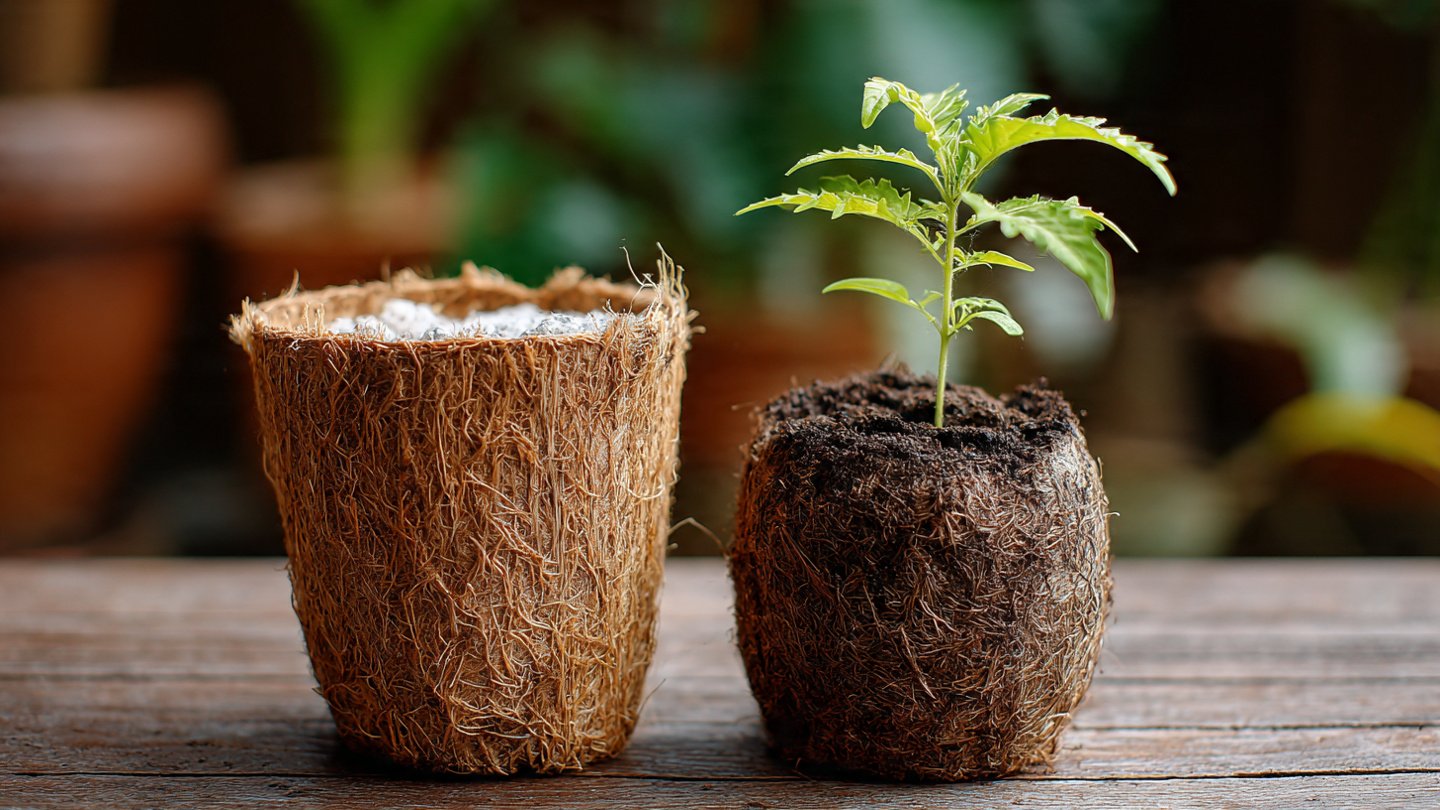
Gardening has always been about experimenting with natural methods to improve plant health and productivity. Among the many techniques, using everyday household items as plant boosters has become increasingly popular. One combination that has gained attention for its simplicity and effectiveness is milk and coconut coir. This duo provides essential nutrients, improves soil structure, and supports robust plant growth with minimal effort.
In this article, we’ll explore how milk and coconut coir work, why they’re beneficial, and step-by-step methods to incorporate them into your gardening routine. Whether you’re a seasoned gardener or a beginner looking for natural ways to grow healthier plants, this guide will help you unlock the full potential of your garden.
Understanding the Benefits of Milk for Plants
Milk is not just a nutritious drink for humans; it also contains valuable nutrients that plants love. The primary benefits of milk for plants include:
- Calcium Boost: Milk is rich in calcium, which is crucial for cell wall development in plants. Adequate calcium helps prevent common issues like blossom end rot in tomatoes and peppers.
- Protein Content: Milk contains proteins and amino acids that can aid in plant growth, acting as a mild fertilizer for leafy vegetables.
- Antifungal Properties: Milk has natural antifungal properties that can help prevent certain plant diseases, such as powdery mildew.
- pH Balance: Diluted milk can help slightly balance the soil’s pH, creating a more favorable environment for nutrient absorption.
Using milk for plants is simple and safe when diluted properly, ensuring it doesn’t attract pests or create unpleasant odors.
Why Coconut Coir Is a Gardening Superhero
Coconut coir, also known as coco peat, is the fibrous material found between the hard shell and the outer husk of a coconut. It has become a staple in modern gardening for several reasons:
- Excellent Water Retention: Coconut coir can hold up to 10 times its weight in water, making it perfect for maintaining consistent soil moisture.
- Aeration and Drainage: Coir’s fibrous structure improves soil aeration while preventing waterlogging, which is critical for root health.
- Eco-Friendly and Renewable: Coconut coir is a sustainable alternative to peat moss and can be reused multiple times with proper care.
- Nutrient-Friendly: Although coir is low in nutrients by itself, it acts as a great medium to deliver nutrients like milk, compost, or liquid fertilizers directly to plant roots.
When combined with milk, coconut coir becomes not just a soil enhancer but also a nutrient carrier that supports strong, healthy plant growth.
How Milk and Coconut Coir Work Together
The magic of milk and coconut coir lies in their complementary properties:
- Coconut coir retains water, keeping the milk solution near the roots for longer periods, allowing plants to absorb nutrients efficiently.
- Milk provides calcium and proteins, which strengthen plant structure and boost growth.
- Improved soil structure: Coir’s aeration combined with milk’s pH balancing properties promotes a healthier root environment.
- Natural pest and disease management: The antifungal properties of milk help protect plants growing in the moist environment provided by coconut coir.
Together, they create an all-natural, low-maintenance, and highly effective growth medium.
Step-by-Step Guide to Using Milk and Coconut Coir
Step 1: Prepare the Coconut Coir
- Purchase coconut coir blocks or pre-packaged coir from a gardening store.
- Hydrate the coir by soaking it in water for 10–15 minutes until it expands fully.
- Fluff the coir to improve aeration and remove any large clumps.
Step 2: Dilute the Milk
- Use fresh cow or goat milk, or even powdered milk reconstituted with water.
- Dilute milk with water in a 1:10 ratio (1 part milk to 10 parts water) to prevent bacterial growth and odors.
- Mix thoroughly for even consistency.
Step 3: Combine Milk and Coir
- Place the hydrated coir in a planting pot or garden bed.
- Slowly pour the diluted milk over the coir, allowing it to soak in.
- Gently mix with a trowel or hand to ensure even distribution of the nutrients.
Step 4: Plant Your Seedlings or Seeds
- Plant seedlings directly into the coir mixture or sprinkle seeds on top.
- Coconut coir provides the perfect structure for delicate roots to establish quickly.
- Water lightly after planting to settle the medium.
Step 5: Regular Maintenance
- Watering: Continue regular watering, but coir’s water retention reduces the frequency.
- Milk Supplementation: Apply diluted milk once every 2–3 weeks for nutrient support.
- Monitoring: Check plants for healthy leaf growth, strong stems, and root development.
Which Plants Benefit the Most?
Milk and coconut coir can support a wide range of plants. Some of the best candidates include:
- Vegetables: Tomatoes, peppers, leafy greens, cucumbers, and carrots thrive with calcium and protein support.
- Herbs: Basil, mint, parsley, and coriander grow faster and healthier in coir with milk nutrients.
- Flowering Plants: Marigolds, petunias, and geraniums show stronger blooms and less disease susceptibility.
- Fruit Plants: Strawberries, melons, and dwarf fruit trees can benefit from improved root structure and nutrient supply.
This combination is versatile and works for indoor pots, raised beds, and even balcony gardens.
Tips and Precautions
While milk and coconut coir are generally safe, it’s important to follow some guidelines for optimal results:
- Avoid Undiluted Milk: Directly pouring full-strength milk can cause foul odors and attract pests.
- Check for Spoilage: Only use fresh milk and discard any sour or spoiled milk.
- Moderation Is Key: Over-application can lead to excess nitrogen and unintended bacterial growth.
- Combine With Other Organic Fertilizers: For best results, supplement with compost or natural fertilizers to provide a balanced nutrient profile.
- Regular Observation: Keep an eye on leaves, stems, and soil moisture to adjust milk or water application as needed.
Additional Benefits
Using milk and coconut coir offers several additional benefits beyond basic plant growth:
- Sustainable Gardening: Both milk (if locally sourced) and coconut coir are renewable resources.
- Cost-Effective: Both ingredients are inexpensive compared to commercial fertilizers and soil amendments.
- Reduced Chemical Dependency: Natural nutrients reduce reliance on chemical fertilizers, promoting eco-friendly gardening.
- Improved Soil Microbiology: Milk encourages beneficial soil microbes, which enhance nutrient cycling and disease resistance.
- Year-Round Usability: This method can be applied in all seasons, indoors or outdoors, for various plant types.
Scientific Backing
Research shows that calcium-rich solutions like milk improve plant structural integrity, and coconut coir enhances water retention, aeration, and root oxygenation. Studies also indicate that milk’s mild antifungal properties help in controlling powdery mildew and certain bacterial infections. When combined, these two materials create a supportive micro-environment for roots, improving plant resilience and growth.
Conclusion
Milk and coconut coir are a simple, affordable, and highly effective combination for anyone looking to grow healthy plants naturally. With just a few easy steps, you can improve root health, increase nutrient availability, prevent common plant diseases, and support stronger, more productive growth.
Whether you’re tending a vegetable garden, nurturing flowering plants, or experimenting with indoor pots, this technique provides a low-maintenance, eco-friendly alternative to synthetic fertilizers and chemical additives. By embracing these natural ingredients, gardeners can enjoy vibrant, thriving plants with minimal effort — proving that sometimes, the best solutions are the simplest ones.
Start your milk and coconut coir gardening experiment today, and watch your plants flourish like never before! 🌿🥥🥛