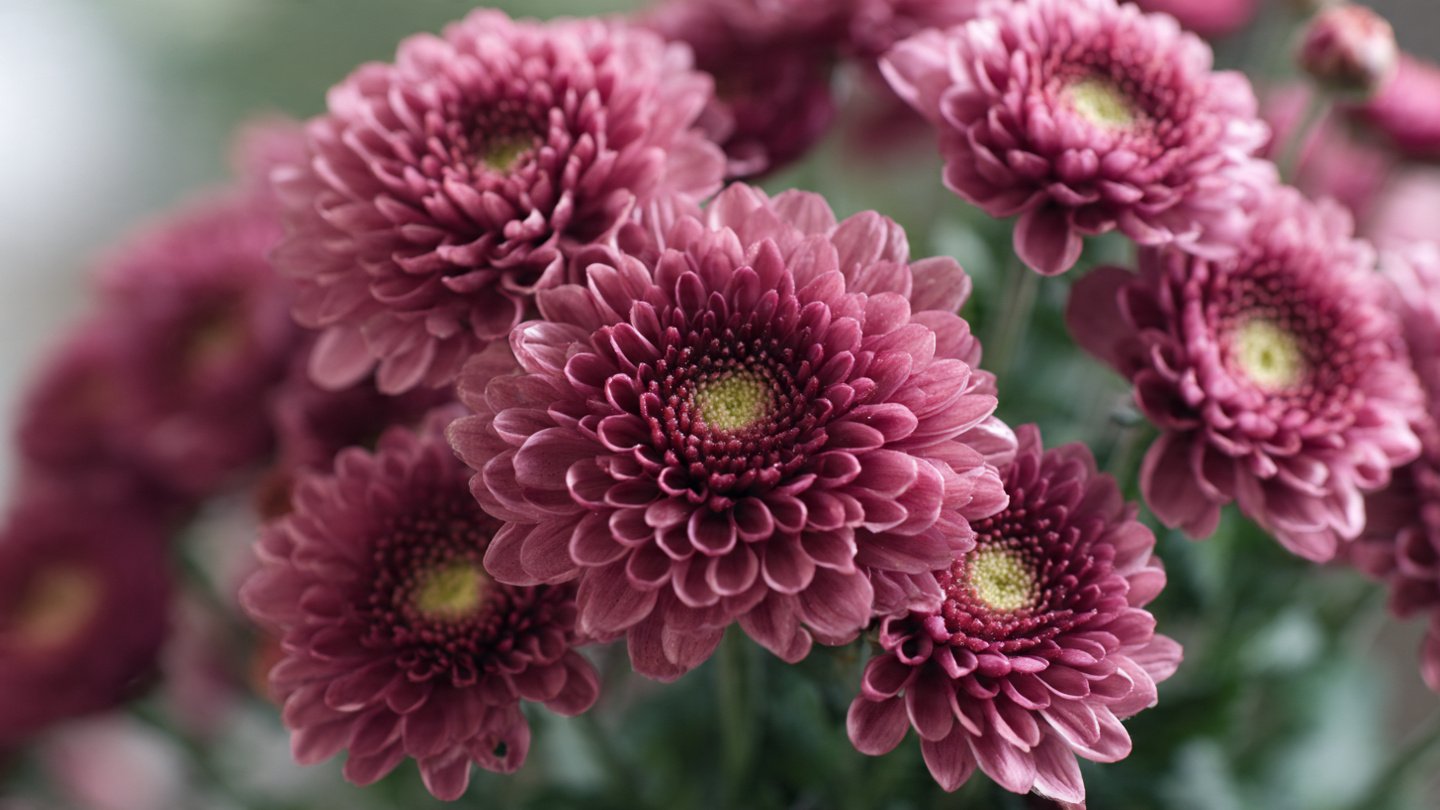
Chrysanthemums, often called “mums,” are among the most beloved flowering plants in home gardens due to their vibrant colors, long-lasting blooms, and seasonal charm. Whether grown in pots, garden beds, or borders, chrysanthemums can transform any space into a floral spectacle. However, achieving early bud formation and perfectly timed blooms requires specific techniques that many gardeners overlook.
If you’ve ever struggled with late flowering, weak buds, or poor bloom quality, this guide will help you master the art of growing healthy chrysanthemum plants with early buds for a stunning and well-synchronized bloom display.
Understanding Chrysanthemum Growth and Bud Formation
Chrysanthemums are short-day plants, meaning they initiate flower buds when daylight hours shorten. Bud formation is influenced by light duration, temperature, nutrition, pruning, and overall plant health.
There are three main growth stages:
- Vegetative growth – Leaf and stem development
- Bud initiation – Triggered by reduced daylight
- Bloom development – Buds mature into flowers
Manipulating these stages correctly allows gardeners to encourage earlier bud formation and stronger blooms.
Choosing the Right Chrysanthemum Variety
Not all chrysanthemums respond the same way to early bud techniques. Choosing the right variety is the first step toward success.
Best Varieties for Early Budding:
- Early-season chrysanthemums
- Spray mums (multiple smaller blooms)
- Korean mums (more temperature tolerant)
- Garden mums bred for early flowering
Avoid late-season exhibition varieties if your goal is early blooms, as they naturally require longer growth periods.
Planting Time Matters
For early buds, timing is critical.
- Ideal planting time: Late spring to early summer
- This allows plants to establish strong roots before bud initiation begins.
- Late planting often results in delayed or poor flowering.
When planting in containers, ensure pots are large enough to support root expansion and avoid stress, which can delay budding.
Soil Preparation for Strong Bud Development
Healthy soil equals healthy buds.
Ideal Soil Conditions:
- Well-draining loamy soil
- Rich in organic matter
- Slightly acidic to neutral pH (6.0–6.8)
Soil Preparation Tips:
- Mix compost or well-rotted manure before planting
- Avoid compacted soil, which restricts root growth
- Ensure proper drainage to prevent root rot
Strong roots allow the plant to channel energy efficiently into early bud production.
The Importance of Proper Pinching
Pinching is one of the most important techniques for controlling bud timing.
How Pinching Works:
- Encourages branching
- Creates more bud sites
- Controls plant height
- Synchronizes blooming
Pinching Schedule:
- Start pinching when plants reach 6 inches tall
- Pinch the top 1–2 inches of new growth
- Repeat every 2–3 weeks
- Stop pinching by mid-summer (usually July)
Stopping pinching on time allows the plant to shift energy toward bud initiation instead of leaf growth.
Managing Light Exposure for Early Buds
Since chrysanthemums are short-day plants, light control plays a major role in bud formation.
Natural Light Method:
- Allow plants to experience naturally shortening daylight in late summer
- Avoid night-time artificial lights near plants
Artificial Light Control (Advanced Method):
- Cover plants with breathable dark cloth for 12–14 hours daily
- Begin 6–8 weeks before desired bloom time
- This tricks plants into thinking days are shorter, triggering early buds
Even small amounts of light at night can delay bud formation, so consistency is key.
Temperature Control for Bud Initiation
Temperature has a direct impact on early bud success.
Ideal Temperatures:
- Day: 70–75°F (21–24°C)
- Night: 55–65°F (13–18°C)
Excessive heat delays bud formation, while cool nights encourage earlier and stronger buds.
Tip: In hot climates, provide afternoon shade to reduce stress and promote bud development.
Fertilization Strategy for Early Buds
Proper feeding is essential—but timing matters.
Vegetative Growth Stage:
- Use nitrogen-rich fertilizer (e.g., 10-10-10)
- Encourages healthy foliage and branching
Pre-Bud and Bud Stage:
- Switch to low-nitrogen, high-phosphorus and potassium fertilizer (e.g., 5-10-10)
- Promotes bud formation and flower strength
Overfeeding nitrogen late in the season results in leafy growth at the expense of buds.
Watering Techniques That Support Bud Growth
Inconsistent watering is a common cause of delayed or aborted buds.
Best Practices:
- Water deeply and regularly
- Keep soil evenly moist, not soggy
- Avoid water stress during bud initiation
Mulching around plants helps retain moisture, regulate soil temperature, and reduce stress that can delay flowering.
Bud Selection and Disbudding
For larger, more impressive blooms, bud selection is crucial.
Disbudding Techniques:
- Remove side buds early to direct energy into the main bud
- For spray mums, allow multiple buds for fuller displays
- For exhibition blooms, keep only one bud per stem
Disbudding results in stronger stems and better flower size.
Pest and Disease Control for Healthy Buds
Pests and diseases can severely affect bud development.
Common Threats:
- Aphids
- Spider mites
- Thrips
- Powdery mildew
Prevention Tips:
- Inspect plants weekly
- Use neem oil or insecticidal soap
- Ensure good air circulation
- Avoid overhead watering
Healthy plants form buds earlier and maintain them without dropping.
Supporting Plants During Bud Development
As buds form, stems become heavier and more fragile.
- Use bamboo stakes or plant supports
- Tie stems loosely to prevent bending
- Protect plants from strong winds and heavy rain
Proper support ensures buds develop evenly and flowers open beautifully.
Timing Blooms for a Stunning Display
To achieve a synchronized bloom display:
- Use consistent pinching schedules
- Control light exposure
- Maintain steady feeding and watering
- Grow plants of similar age together
This approach allows your chrysanthemums to bloom simultaneously, creating a visually stunning garden or patio display.
Common Mistakes to Avoid
- Pinching too late in the season
- Exposing plants to night lights
- Overfeeding nitrogen during bud stage
- Allowing water stress
- Ignoring temperature extremes
Avoiding these mistakes dramatically improves early bud success.
Final Thoughts
Mastering early bud formation in chrysanthemums is a blend of timing, observation, and gentle manipulation of growth conditions. By choosing the right varieties, pinching correctly, managing light and temperature, and providing balanced nutrition, you can encourage early, strong buds that develop into breathtaking blooms.
With these techniques, your chrysanthemums will reward you with lush, vibrant flowers right on schedule, making your garden, balcony, or indoor space truly stand out.
Whether you’re growing mums for festive displays, competitions, or pure enjoyment, mastering early buds is the secret to a show-stopping chrysanthemum bloom display.