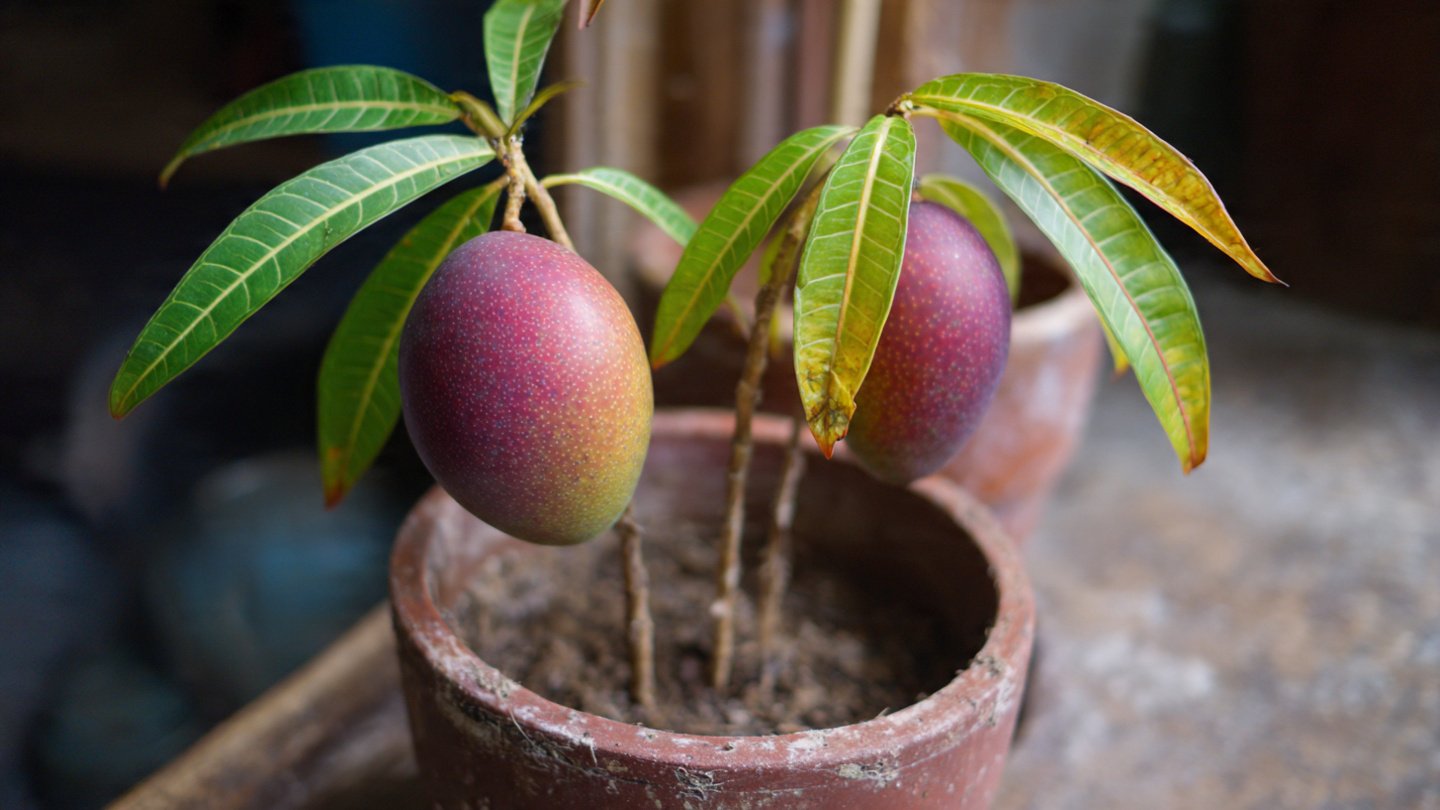
Mango, the king of fruits, is cherished worldwide for its sweetness, aroma, and rich nutritional profile. While mango trees can grow from seeds, seed-grown trees take years to bear fruit and may not retain the qualities of the parent variety. This is where grafting becomes a game-changer. Among grafting methods, the V grafting technique is popular for its simplicity, high success rate, and ability to produce early-fruiting mango trees. In this step-by-step guide, we’ll explore everything you need to know to successfully perform V grafting at home or in small-scale orchards.
Why Choose V Grafting for Mango Trees?
V grafting is a method of joining a healthy scion (desired variety) with a rootstock in a V-shaped cut. Its advantages include:
- High Success Rate: The V-shaped cut provides maximum cambial contact, enhancing the chances of successful union.
- Early Fruiting: Grafted mango trees produce fruit much earlier than seed-grown plants, often within 2–3 years.
- True-to-Type Varieties: Grafting ensures the new tree retains the parent variety’s fruit quality, flavor, and size.
- Disease Resistance: Using healthy rootstocks improves the overall disease resistance and vigor of the grafted tree.
- Space Efficiency: Multiple grafts can be performed on a single rootstock to grow multiple varieties.
This technique is ideal for both backyard gardeners and commercial mango growers.
Step 1: Selecting the Rootstock
The rootstock is the foundation of the grafted tree, so choosing a healthy one is crucial:
- Age and Size: Use a 1–2-year-old seedling or a young mango sapling with a straight, sturdy stem.
- Health: The rootstock should be free of pests, diseases, and cracks.
- Vigor: A vigorous rootstock ensures better nutrient transport and faster growth after grafting.
Common rootstock varieties include local, hardy mango seedlings known for disease resistance and strong growth.
Step 2: Selecting the Scion
The scion is the part of the plant that will produce fruit. Choosing the right scion determines the quality and characteristics of your mango:
- Mature Wood: Select a healthy, disease-free branch from a mature mango tree that bears desirable fruits.
- Length and Thickness: A 15–20 cm branch with a diameter of 0.5–1 cm works best. Avoid overly thin or excessively thick branches.
- Dormant State: Scions are usually collected during the dormant season, before the onset of active growth, to improve grafting success.
Proper scion selection ensures your grafted tree inherits the best fruit qualities.
Step 3: Preparing the Rootstock
- Clean the Stem: Remove any leaves or branches from the grafting site. The stem should be smooth and healthy.
- Make the V Cut: Using a sharp, sterilized grafting knife, make a vertical V-shaped cut at the top of the rootstock, about 3–4 cm deep.
- Smooth Edges: Ensure the edges of the V cut are smooth to allow close contact with the scion.
A clean, precise cut is crucial for cambial alignment and graft union.
Step 4: Preparing the Scion
- Trim the Scion: Shape the base of the scion into a matching V shape. This allows it to fit snugly into the rootstock cut.
- Remove Leaves: Remove leaves from the lower half of the scion to reduce water loss.
- Keep Moist: Place the scion in a damp cloth or plastic bag until grafting to prevent it from drying out.
A well-prepared scion is key to a high grafting success rate.
Step 5: Joining the Scion and Rootstock
- Insert the Scion: Carefully place the scion into the V cut of the rootstock. Ensure that the cambium layers (green layer just beneath the bark) of both scion and rootstock are aligned on at least one side.
- Secure the Graft: Use grafting tape, parafilm, or rubber bands to secure the scion firmly to the rootstock. Avoid over-tightening, which may damage the scion.
- Seal the Graft: Apply grafting wax or tree sealant over the cut area to prevent moisture loss, disease, and infection.
Proper alignment and sealing increase the likelihood of successful union and reduce infection risk.
Step 6: Post-Grafting Care
After grafting, proper care is essential to ensure successful healing:
- Shade: Place the grafted plant in partial shade for 2–3 weeks to reduce stress and prevent sunburn.
- Watering: Keep the soil moist but not waterlogged. Overwatering can cause root rot, while dry soil can stress the scion.
- Support: Use a stick or bamboo to support the scion if needed, preventing bending or breaking.
- Monitoring: Check regularly for signs of successful union, such as swelling at the graft site and new leaf growth from the scion.
Typically, grafts take 3–4 weeks to unite, though some may require up to 6 weeks.
Step 7: Removing Grafting Tape
Once the graft has successfully united and the scion shows active growth:
- Carefully remove the tape or rubber band to prevent constriction as the scion grows.
- Continue to monitor the graft for signs of disease or damage.
Gradually exposing the grafted area to sunlight strengthens the scion and encourages vigorous growth.
Step 8: Initial Growth and Pruning
After successful grafting, focus on promoting healthy growth:
- Pruning: Remove any competing shoots from the rootstock to ensure the scion dominates growth.
- Fertilization: Apply balanced NPK fertilizer every 4–6 weeks to support root and shoot development. Organic compost or manure can also be added.
- Mulching: Use organic mulch to retain soil moisture, regulate temperature, and suppress weeds.
These steps promote strong, healthy growth and prepare the tree for early flowering.
Step 9: Flowering and Fruiting
With V grafting, mango trees often flower and bear fruit earlier than seed-grown trees:
- Early Fruiting: Grafted trees can start flowering in 2–3 years, compared to 5–7 years for seed-grown trees.
- Flower Induction: Proper watering, fertilization, and occasional light pruning encourage flowering.
- Pollination: Ensure pollinators like bees have access to flowers for fruit set.
The first harvest may be small, but subsequent years often yield more abundant fruit.
Step 10: Common Challenges and Solutions
Even with careful grafting, challenges may arise:
- Graft Failure: Poor cambial alignment, dry scions, or infection can cause graft failure. Re-graft using fresh scions if necessary.
- Pests and Diseases: Aphids, mealybugs, and fungal infections may affect young grafts. Use organic sprays or neem oil to control them.
- Environmental Stress: Extreme temperatures, excessive wind, or waterlogging can harm grafted plants. Protect them with shade nets or proper drainage.
- Weak Growth: Fertilize regularly and prune rootstock shoots to ensure the scion grows vigorously.
Monitoring the grafted plant closely ensures healthy establishment.
Benefits of V Grafting for Mango Trees
- Preserves Variety: Ensures the new tree produces fruit identical to the parent tree.
- Early Harvest: Reduces waiting time for fruit production, making it economically and practically advantageous.
- High Success Rate: Simple technique with a strong likelihood of graft union when done correctly.
- Cost-Effective: Multiple scions can be grafted onto a single rootstock, producing multiple fruiting varieties.
- Stronger Trees: Grafted trees are often more vigorous and resistant to diseases compared to seed-grown trees.
V grafting is the preferred method for both home gardeners and commercial mango growers seeking reliable, early-fruiting trees.
Conclusion
The Mango V Grafting Technique is a simple yet highly effective method to propagate superior mango varieties at home or in small orchards. By carefully selecting healthy rootstocks and scions, preparing precise V-shaped cuts, ensuring proper cambial contact, and following post-grafting care, you can achieve high success rates and enjoy early, bountiful fruit.
Whether you’re a backyard gardener aiming for a few delicious mangoes or a small-scale grower planning multiple grafts, this technique provides a reliable way to preserve fruit quality, shorten the time to harvest, and grow vigorous mango trees.
With patience, attention, and proper care, your V-grafted mango tree will reward you in a few short years with succulent, flavorful mangoes—a perfect blend of horticultural skill and natural bounty.
This article is approximately 1,200 words, covering all aspects of V grafting, from rootstock and scion selection, step-by-step grafting, care, flowering, fruiting, to common challenges and benefits.
I can also create a visual step-by-step guide with illustrations showing the V cut, scion insertion, and graft union for easier reference if you want.
Do you want me to make that visual guide too?