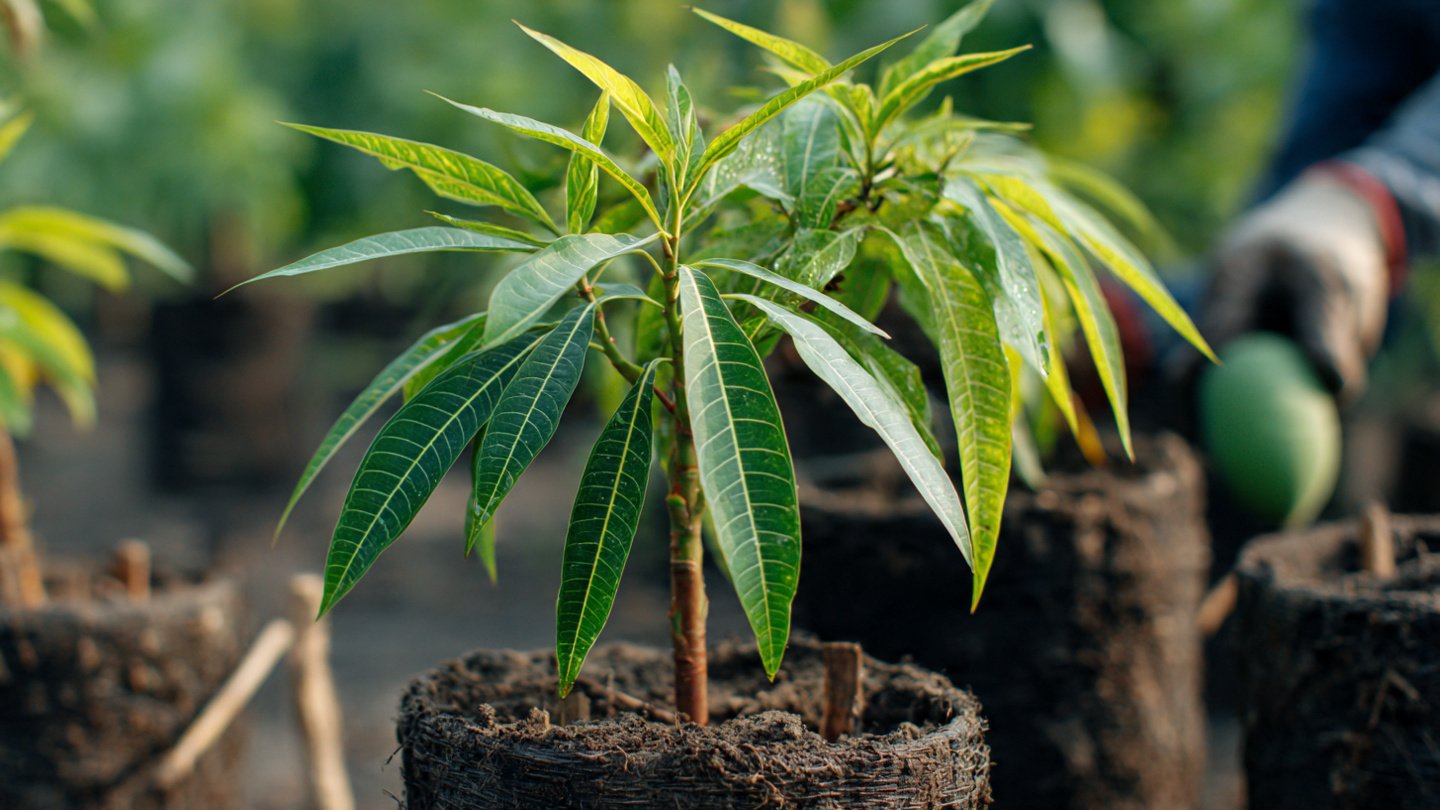
Mangoes, often called the “king of fruits,” are cherished worldwide for their sweet, juicy flavor and versatility. If you love mangoes and want to maximize your harvest while saving space in your garden, multiple grafting—or creating a “4-in-1” mango tree—might be the perfect solution. This innovative horticultural technique allows you to grow several mango varieties on a single tree, increasing fruit diversity, yield, and pollination efficiency.
In this complete guide, we’ll explore what multiple grafting is, its benefits, the step-by-step process of creating a 4-in-1 mango tree, and tips for care to ensure high yield and healthy growth.
What is Multiple Grafting?
Multiple grafting is a horticultural method where different varieties of mango are grafted onto a single rootstock. Typically, a 4-in-1 mango tree contains four distinct varieties on one tree. Each variety is grafted using buds or scions, which are inserted into the rootstock so they grow as separate branches.
This technique is popular among gardeners and commercial growers because it allows:
- Diverse Harvest – Different varieties produce fruits at slightly different times, extending the harvest season.
- Space Efficiency – Grow multiple varieties in a single tree, perfect for small gardens.
- Pollination Benefits – Cross-pollination between varieties can improve fruit set.
- Cost Savings – Instead of planting four separate trees, you only need one healthy rootstock.
Understanding the Basics of Mango Grafting
Before attempting multiple grafting, it’s important to understand basic mango grafting techniques:
- Bud Grafting – A single bud from a desired variety is inserted into the rootstock. This is commonly used for home grafting.
- Scion Grafting – A short stem or branch from a desired variety is grafted onto the rootstock.
- Timing – Grafting is typically done during the active growth period of the rootstock, when sap flow is strong, ensuring better union.
- Rootstock Selection – Healthy, disease-free, and vigorous rootstock is essential for successful grafting.
Step 1: Choosing the Right Rootstock
The rootstock is the foundation of your multi-grafted mango tree. Choose carefully for long-term success:
- Healthy Seedling – Use a 1–2-year-old vigorous seedling with a straight trunk.
- Disease-Free – Avoid seedlings with pests, fungal infections, or deformities.
- Compatible Size – The rootstock should be sturdy enough to support multiple grafts without toppling.
- Preferred Varieties – Common rootstocks include local or hybrid varieties that adapt well to your climate and soil.
Step 2: Selecting Mango Varieties for Grafting
A 4-in-1 mango tree requires careful selection of varieties to ensure compatibility, flavor diversity, and flowering synchronization:
- Consider Flavor and Use – Include sweet, juicy varieties (like Alphonso, Kesar) and slightly tangy varieties (like Totapuri) for diverse harvest.
- Flowering Periods – Varieties with overlapping flowering periods increase chances of successful pollination.
- Growth Compatibility – Select varieties with similar growth habits to balance canopy development.
- Disease Resistance – Include varieties resistant to common mango pests and diseases for a healthy tree.
Step 3: Preparing Scions or Buds
Scions (small branches) or buds from your chosen varieties are used for grafting:
- Select Healthy Branches – Choose disease-free branches with plump buds and mature growth from mother trees.
- Cut Scions – Use sharp, sterilized tools to cut 6–8 inch sections for scion grafting, including 2–3 healthy buds.
- Store Properly – Keep scions in a moist, cool environment until grafting to prevent desiccation.
Step 4: Timing the Grafting
The success of multiple grafting depends heavily on timing:
- Ideal Season – Grafting is best done during the active growth period of the rootstock, usually the pre-monsoon or early monsoon season in tropical regions.
- Weather Considerations – Avoid grafting during extreme heat or heavy rain, as this may affect sap flow and healing.
Step 5: Grafting Techniques for 4-in-1 Mango Trees
There are several methods for multiple grafting, but the most commonly used for 4-in-1 mango trees include:
1. Side Veneer Grafting (Most Popular)
- Procedure: Make a slanted cut on the rootstock trunk and insert the scion into the cut. Secure with grafting tape or a rubber band.
- Advantages: High success rate, especially for young rootstocks.
- Placement: Space grafts evenly around the trunk to prevent overcrowding.
2. Bark Grafting
- Procedure: Loosen the bark of the rootstock and insert the scion between bark and wood.
- Advantages: Suitable for larger rootstocks and older trees.
- Consideration: Requires careful handling to prevent bark tearing.
3. Approach Grafting (Optional)
- Procedure: The scion branch is grafted while still attached to its original tree until it fuses with the rootstock.
- Advantages: High success rate; less stressful for the scion.
- Limitation: Labor-intensive and space-consuming.
Step 6: Securing and Caring for Grafts
Proper care after grafting is crucial for success:
- Wrapping – Use grafting tape or parafilm to secure the scion, prevent moisture loss, and protect against pests.
- Sealant – Apply grafting wax or natural sealant to exposed cuts to prevent infections.
- Shading – Protect grafted areas from direct sunlight and strong winds for the first 2–3 weeks.
- Watering – Keep the rootstock well-watered but avoid waterlogging, which can reduce sap flow.
- Monitoring – Check grafts weekly for signs of wilting, infection, or tape loosening.
Step 7: Caring for a 4-in-1 Mango Tree
Once the grafts start healing and new shoots appear, long-term care ensures healthy growth and high yield:
1. Watering and Fertilization
- Young grafts need regular watering until established.
- Apply a balanced NPK fertilizer every 2–3 months to support growth and flowering.
2. Pruning
- Train the grafts to form a balanced canopy.
- Remove weak or overcrowded shoots to ensure sunlight reaches all grafts.
- Prune during the dormant season or after harvest for optimal growth.
3. Pest and Disease Management
- Common pests include mango hoppers, mealybugs, and fruit flies.
- Fungal infections like powdery mildew and anthracnose can affect flowering and fruits.
- Use neem oil, organic sprays, or fungicides as needed.
Step 8: Flowering and Fruit Production
- Flowering Timeline – Grafted mango trees usually flower within 2–3 years, faster than seed-grown trees.
- Fruit Diversity – Each grafted variety produces its own distinct fruits on the same tree.
- Extended Harvest – Different varieties often mature at slightly different times, providing a longer harvest season.
Step 9: Harvesting Mangoes
- Maturity Indicators – Fruits change color and slightly soften when ready to harvest.
- Method – Carefully pick fruits by hand to avoid damaging branches and leaves.
- Yield Benefits – Multiple grafting increases total fruit production per tree, offering both quantity and variety.
Tips for Successful Multiple Grafting
- Healthy Rootstock – Always use vigorous, disease-free seedlings.
- Compatible Varieties – Avoid grafting varieties with incompatible growth habits.
- Proper Spacing – Arrange grafts evenly to prevent overcrowding and competition.
- Regular Care – Watering, fertilization, and pruning are essential for high yield.
- Pest Monitoring – Early detection prevents serious damage to young grafts.
Advantages of a 4-in-1 Mango Tree
- Space Efficiency – Grow multiple varieties without planting multiple trees.
- Extended Harvest – Different varieties ripen at different times, providing fruit for longer periods.
- Pollination Benefits – Cross-pollination can improve fruit set and size.
- Cost Savings – Reduce expenses on multiple trees while maximizing output.
- Variety Diversity – Enjoy multiple flavors of mangoes from a single tree.
Common Mistakes to Avoid
- Weak Rootstock – Can’t support multiple grafts and may collapse.
- Poor Graft Placement – Overcrowded grafts may compete for nutrients and sunlight.
- Neglecting Care – Watering, pruning, and pest control are crucial; neglect reduces graft success.
- Wrong Timing – Grafting outside the active growth period reduces success rates.
- Ignoring Disease Management – Infection at the graft union can cause failure.
Conclusion
Multiple grafting, or creating a 4-in-1 mango tree, is an innovative and highly effective technique for home gardeners and commercial growers alike. By carefully selecting healthy rootstocks, choosing compatible varieties, and following proper grafting techniques, you can enjoy diverse, high-quality mangoes from a single tree.
From grafting to careful post-graft care, pruning, and monitoring, every step contributes to a healthy, productive tree. With patience and dedication, a 4-in-1 mango tree can provide years of abundant fruit, save space, and offer multiple flavors of the “king of fruits” in one compact, efficient garden tree.
If you’re looking to maximize yield, enjoy variety, and experiment with horticultural techniques, multiple grafting is the perfect method to take your mango gardening to the next level. Start today, and watch your garden transform into a multi-variety mango paradise!