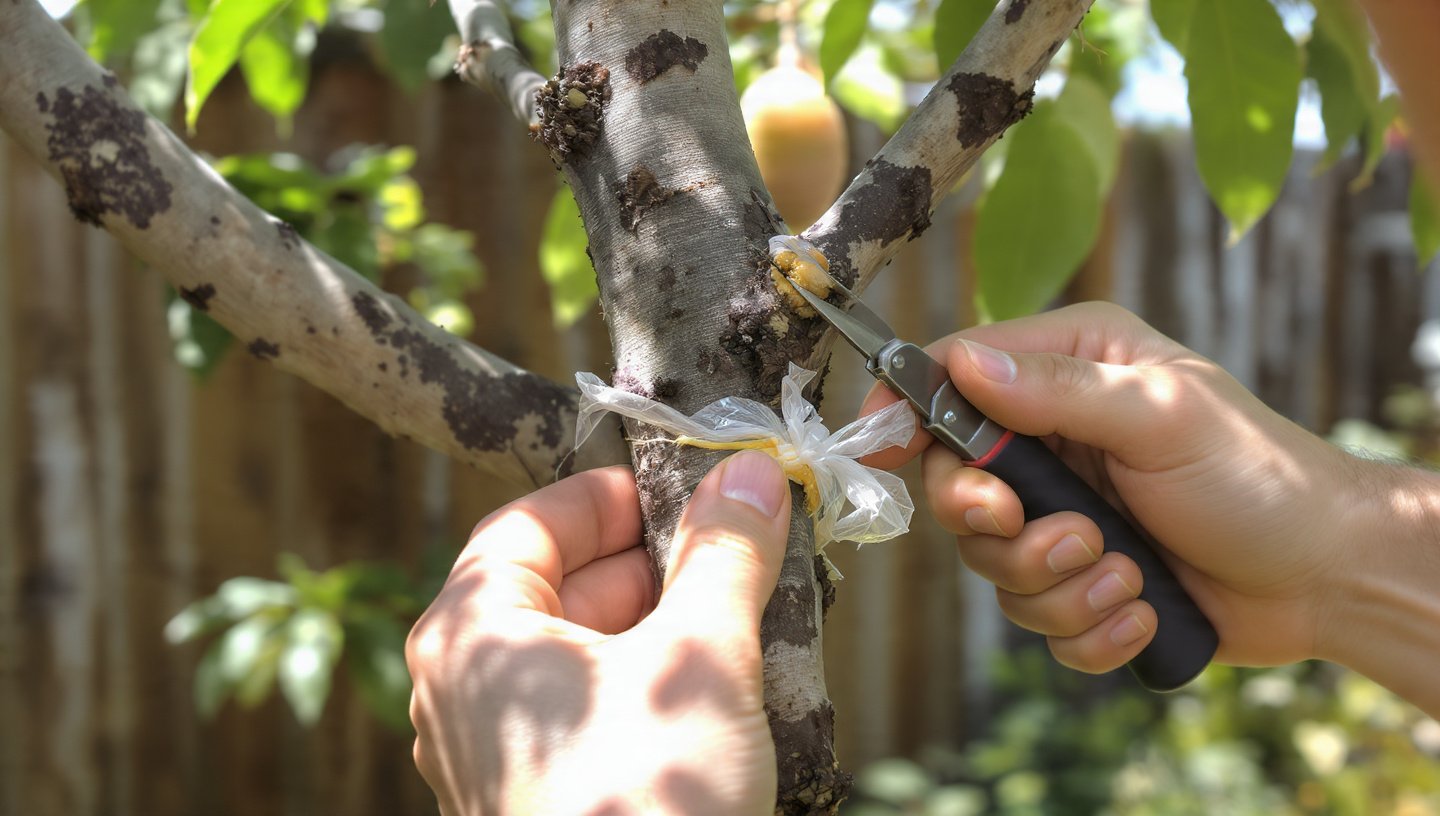
Mangoes are often called the “king of fruits” for good reason. Their juicy, aromatic flesh and sweet flavor make them a favorite across the globe. However, growing mango trees from seed can be a slow and unpredictable process, often taking years before the tree bears fruit—and sometimes producing fruit that doesn’t match the parent tree in quality. This is where mango grafting comes into play. Grafting is a horticultural technique that allows gardeners to enjoy faster, sweeter, and more reliable harvests at home. Mastering this technique can turn even a small backyard into a thriving mango orchard.
In this guide, we’ll explore the secrets of mango grafting, step-by-step instructions, and essential tips to maximize your harvest.
Why Grafting Mango Trees Works
Mango trees grown from seeds are unpredictable. While they may produce fruit eventually, it can take 5 to 8 years or more, and the fruit quality is often uncertain. Grafting allows gardeners to clone a desired mango variety, ensuring that the new tree produces high-quality fruit identical to the parent tree.
The process involves joining a scion (a young shoot from a healthy mango tree with desirable fruit traits) with a rootstock (a young plant that provides the root system). This combination results in a stronger, healthier tree that fruits faster and more reliably than a seed-grown tree.
Choosing the Right Rootstock
The first step to mango grafting mastery is selecting the right rootstock. Rootstock influences the tree’s vigor, disease resistance, and adaptability to soil conditions.
- Seedling Rootstock: Often grown from a nursery seed, seedling rootstock is easy to obtain and provides a strong foundation.
- Disease-Resistant Varieties: Some rootstocks resist soil-borne diseases like root rot or fungal infections. Choosing resistant rootstock ensures healthier trees and reduces maintenance.
- Dwarf Varieties: If you have limited space, dwarf rootstocks are ideal, producing manageable-sized trees while still offering a substantial harvest.
Pro Tip: Select a rootstock that is about 6–12 months old, healthy, and free from any signs of disease or pest damage.
Selecting the Perfect Scion
The scion determines the fruit quality. It should come from a healthy, disease-free tree with fruits you enjoy. Here’s what to look for:
- Healthy Shoots: Choose young, 6–12 inch shoots with mature leaves. Avoid damaged, diseased, or woody branches.
- Fruit Variety: If you want a sweet, juicy mango, choose a scion from a tree that produces that specific variety.
- Seasonal Timing: Collect scions during the dormant season of the parent tree for better grafting success.
Pro Tip: Keep scions hydrated in a plastic bag with a damp cloth until grafting. Dry scions reduce success rates.
Best Grafting Techniques for Mango Trees
There are several grafting methods, but the cleft grafting technique is the most widely used for mangoes due to its simplicity and high success rate. Here’s how it works:
Step 1: Prepare the Rootstock
- Cut the top of the rootstock plant about 1–2 feet above the soil.
- Make a vertical slit about 1–2 inches deep at the center of the cut. This will receive the scion.
Step 2: Prepare the Scion
- Trim the scion into a wedge shape at the base.
- Ensure the cut edges are smooth for better contact with the rootstock.
Step 3: Join Scion and Rootstock
- Insert the scion into the rootstock slit carefully, aligning the cambium layers (the green layer just under the bark) of both.
- Proper cambium alignment is critical; misalignment can prevent the graft from taking.
Step 4: Secure the Graft
- Use grafting tape or a soft, stretchable material to wrap the graft tightly.
- Cover the graft union with a plastic bag or a wax coating to prevent moisture loss and contamination.
Step 5: Post-Grafting Care
- Place the grafted plant in a shaded area for 2–3 weeks.
- Keep the soil consistently moist but avoid waterlogging.
- Remove tape carefully after 3–4 weeks, once the scion shows signs of growth.
Pro Tip: Avoid grafting during extremely hot or rainy days. Moderate temperatures increase success rates.
Aftercare for Your Grafted Mango Tree
Grafting is just the first step. Proper aftercare ensures the tree thrives and produces fruit faster.
1. Watering and Mulching
Water the tree regularly, especially during dry periods. Mulch around the base to retain moisture, regulate soil temperature, and suppress weeds.
2. Fertilization
Use a balanced fertilizer with nitrogen, phosphorus, and potassium to support healthy growth. Apply small amounts every 4–6 weeks during the first year.
3. Pruning
Once the scion starts growing, prune any competing shoots from the rootstock. This directs energy to the desired scion, promoting stronger growth.
4. Pest and Disease Management
Monitor the grafted tree for pests like mealybugs, aphids, or scales. Apply organic pesticides or neem oil if necessary. Ensure good air circulation to prevent fungal infections.
The Benefits of Mango Grafting
Mastering mango grafting has several advantages for home gardeners:
- Faster Harvests: Grafted trees often bear fruit in 2–3 years instead of 5–8 years.
- Consistent Fruit Quality: Enjoy the same delicious taste and texture as the parent tree.
- Disease Resistance: Selecting strong rootstock increases resilience against pests and diseases.
- Space Efficiency: Dwarf rootstocks allow you to grow multiple trees in limited space.
- Cost Savings: Avoid buying fully-grown trees; a few grafted saplings can produce a lifetime of fruit.
Common Mistakes to Avoid
Even with a perfect technique, mistakes can reduce grafting success. Here’s what to avoid:
- Misaligned Cambium Layers: The most common reason grafts fail. Take time to align them precisely.
- Drying Out: Scions must stay hydrated before grafting and after.
- Poor Timing: Grafting at the wrong season or during extreme weather reduces success.
- Neglecting Aftercare: A neglected grafted tree may die before it has a chance to grow.
Pro Tip: Keep a journal of your grafting attempts, noting rootstock, scion, season, and results. Over time, this data helps improve success rates.
Advanced Tips for Maximum Success
- Double Grafting: Use two scions per rootstock to increase success chances. If one fails, the other may survive.
- Air Layering Before Grafting: Strengthen weak rootstocks by air layering before grafting.
- Use Hormones: Rooting hormones on scions can enhance growth and improve graft success rates.
- Temperature Management: Keep young grafts in a controlled environment if possible, avoiding extreme sun or wind exposure.
Conclusion
Mango grafting is the ultimate technique for anyone serious about growing their own delicious, home-grown mangoes. By selecting the right rootstock, preparing healthy scions, and mastering the cleft grafting method, you can enjoy faster, sweeter harvests and healthier trees. The secret to success lies not just in technique, but in careful aftercare, attention to timing, and consistent maintenance.
Whether you have a spacious backyard or a small terrace, grafting mango trees allows you to maximize fruit production, ensure consistent quality, and enjoy the satisfaction of growing your favorite fruit at home. With practice and patience, your home orchard can become a source of pride, joy, and an endless supply of sweet, juicy mangoes.