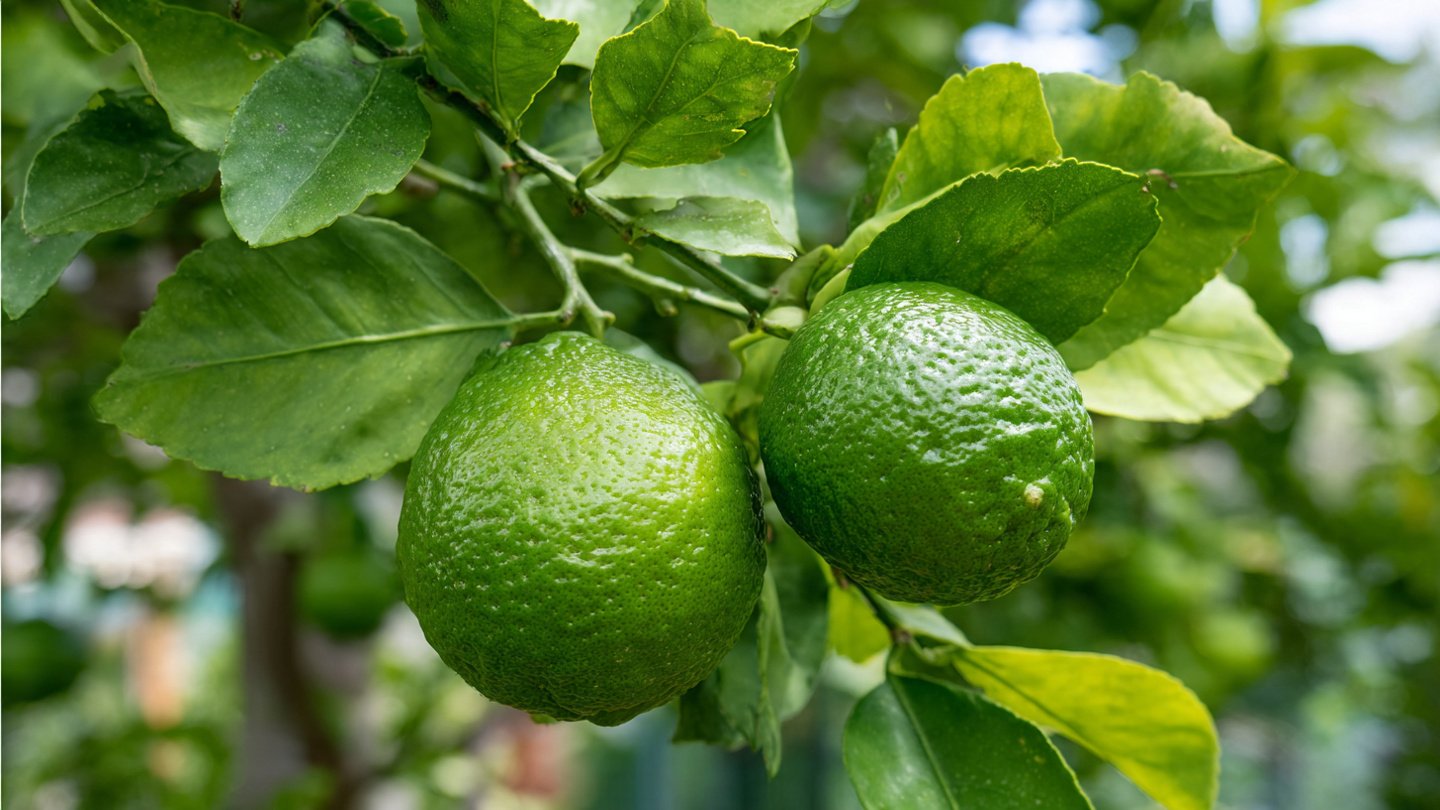
Lime trees are valued for their fragrant blossoms, glossy evergreen leaves, and highly useful fruits that enhance countless recipes and beverages. However, many gardeners struggle with poor fruit quality, low yields, slow growth, or trees that simply don’t perform as expected. This is where lime tree top working becomes a powerful solution.
Top working is an advanced but highly effective horticultural technique that allows you to upgrade an existing lime tree by grafting a superior variety onto a mature root system. When done correctly, it can dramatically improve growth speed, fruit size, flavor, productivity, and even disease resistance. This guide explains what lime tree top working is, why it works so well, and how to apply expert tips for outstanding results.
What Is Lime Tree Top Working?
Top working is the process of grafting new scion wood (desired lime variety) onto an established tree trunk or major branches. Instead of removing an old or unproductive tree, you reuse its strong root system to support better-performing varieties.
Unlike planting a new sapling, top working:
- Saves years of waiting time
- Produces fruit much faster
- Takes advantage of mature roots
- Improves overall tree vigor
For lime trees, this method is especially effective because citrus responds extremely well to grafting.
Why Top Work a Lime Tree?
Gardeners choose lime tree top working for several reasons:
- Poor fruit quality: Bitter, seedy, or small limes
- Low productivity: Flowering without fruit set
- Wrong variety: Tree doesn’t suit climate or taste preference
- Disease problems: Susceptible varieties can be replaced
- Multiple varieties: Grow more than one lime type on the same tree
Top working transforms an underperforming lime tree into a high-yielding, premium fruit producer.
Best Time for Lime Tree Top Working
Timing is critical for grafting success.
Ideal season:
- Late winter to early spring
- Just before active growth begins
- When temperatures are mild and stable
Avoid extreme heat, cold, or rainy periods, as these can reduce graft success and increase disease risk.
Choosing the Right Lime Variety
Selecting the right scion determines the future success of your tree.
Popular lime varieties for top working:
- Persian (Tahiti) Lime: Large, juicy, seedless
- Key Lime: Highly aromatic, intense flavor
- Kagzi Lime: Thin skin, high juice content
- Bearss Lime: Heavy producer, excellent quality
Choose disease-free scion wood from a healthy, productive tree. The scion should be semi-hardwood, pencil-thick, and actively growing.
Preparing the Existing Lime Tree
Before grafting, the existing tree must be properly prepared.
Preparation steps:
- Select a healthy tree with a strong root system
- Remove dead, diseased, or weak branches
- Reduce the canopy gradually (not all at once)
- Identify main scaffold branches for grafting
A well-prepared tree heals faster and supports vigorous scion growth.
Best Grafting Methods for Lime Trees
Several grafting techniques work well for top working lime trees. Experts most commonly use the following:
1. Cleft Grafting
- Ideal for thicker branches
- High success rate
- Allows strong cambium contact
2. Bark Grafting
- Best for mature trees with thick bark
- Works well during active sap flow
3. Side Veneer Grafting
- Suitable for medium-sized branches
- Allows gradual transition from old to new canopy
Each method requires clean tools, precise cuts, and firm contact between scion and rootstock cambium layers.
Step-by-Step Overview of Lime Tree Top Working
While techniques vary slightly, the general process includes:
- Cut selected branches cleanly at the desired height
- Make grafting cuts based on chosen method
- Insert prepared scion wood carefully
- Secure tightly with grafting tape or plastic
- Seal exposed areas with grafting wax or paste
Proper alignment and tight sealing are essential for successful union.
Aftercare: The Key to Amazing Growth
Top working doesn’t end with grafting. Aftercare determines long-term success.
Essential aftercare tips:
- Protect grafts from direct sun and wind
- Keep soil consistently moist, not waterlogged
- Remove shoots growing below the graft union
- Avoid heavy fertilization for the first 4–6 weeks
New growth usually appears within 3–6 weeks if the graft is successful.
Managing New Growth for Strong Structure
Once the scion starts growing, careful training is necessary.
Growth management tips:
- Select the strongest shoots and remove weak ones
- Gradually shape the canopy for balance
- Support new branches to prevent breakage
- Prune lightly to encourage branching
This stage determines the future structure and productivity of the tree.
Fertilization for Boosted Fruit Production
After the graft has healed and growth is established, nutrition becomes critical.
Recommended feeding plan:
- Organic compost or well-rotted manure
- Balanced citrus fertilizer (NPK)
- Extra potassium during flowering and fruiting
- Micronutrients like magnesium and zinc
Avoid excessive nitrogen, which promotes leaves over fruits.
How Long Until the Tree Bears Fruit?
One of the biggest advantages of top working is speed.
Typical timeline:
- Graft union healed: 4–6 weeks
- Strong vegetative growth: 2–4 months
- Flowering: 6–12 months
- Fruit harvest: Often within 1–2 years
This is significantly faster than planting a new lime tree.
Common Mistakes to Avoid
Even experienced gardeners can make errors. Avoid these common problems:
- Using diseased or weak scion wood
- Poor cambium alignment
- Grafting during extreme weather
- Leaving old branches competing with new growth
- Overwatering or underwatering after grafting
Correcting these mistakes greatly improves success rates.
Can You Grow Multiple Lime Varieties on One Tree?
Yes! Lime trees are excellent candidates for multi-variety grafting.
Benefits include:
- Extended harvest seasons
- Variety of flavors and uses
- Space-saving gardening
- Improved pollination
Just ensure each graft receives enough light and balanced growth.
Long-Term Benefits of Lime Tree Top Working
- Revives old or declining trees
- Produces superior fruit quality
- Reduces time to harvest
- Increases yield dramatically
- Makes efficient use of garden space
Top working is one of the most sustainable and rewarding practices in home citrus cultivation.
Conclusion
Lime tree top working is a powerful technique that combines science, skill, and patience to deliver exceptional results. By grafting high-quality lime varieties onto an established root system, gardeners can achieve amazing growth, faster fruiting, and superior lime production without starting from scratch.
With the right timing, healthy scion selection, proper grafting methods, and attentive aftercare, even an underperforming lime tree can be transformed into a productive, vigorous, and long-lasting fruit tree. Whether you’re upgrading fruit quality, increasing yield, or experimenting with multiple varieties, top working offers a smart and effective path to citrus success.
By applying these expert tips, your lime tree can become one of the most productive and rewarding plants in your garden for years to come.