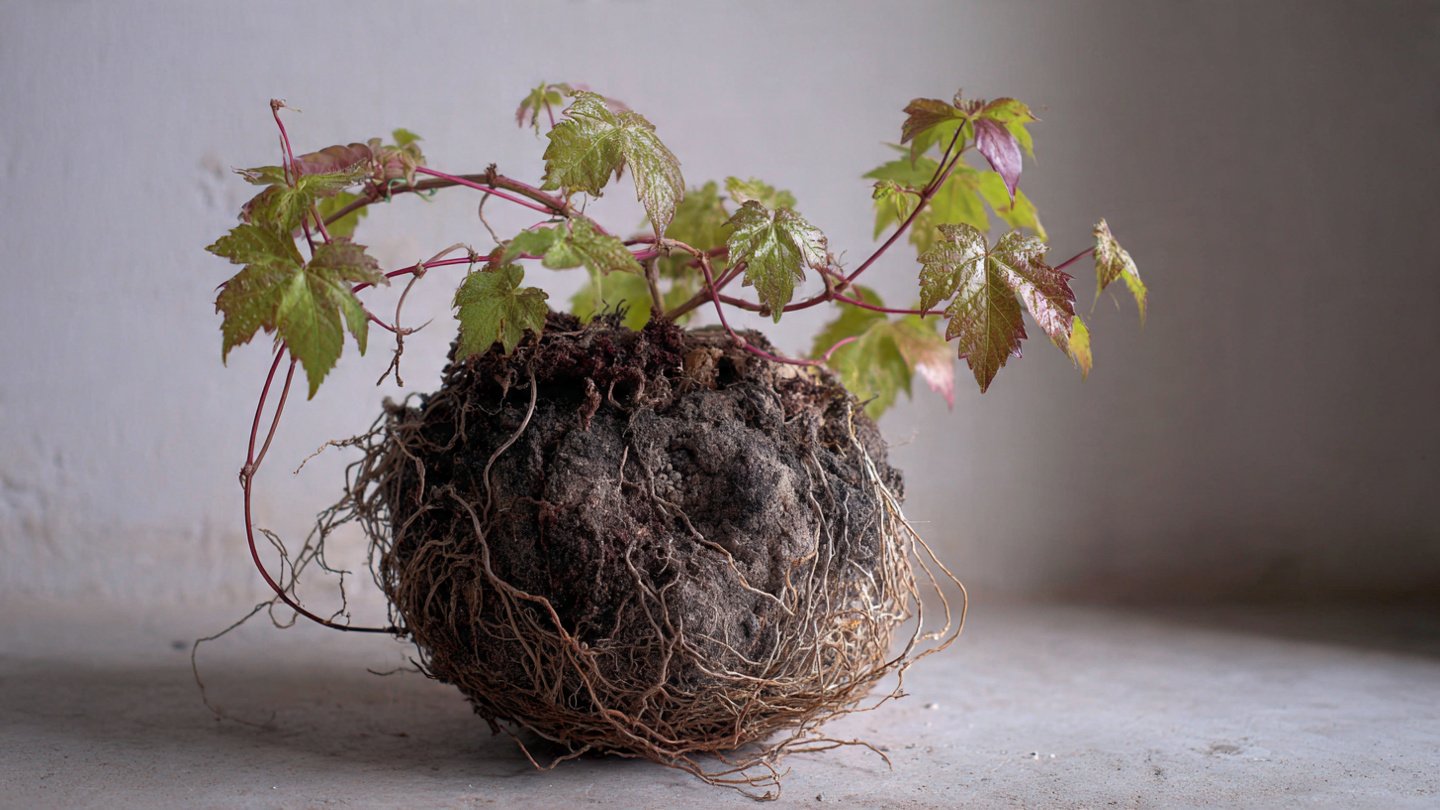
Grapes are among the most rewarding fruits to grow at home, providing sweet, juicy clusters for fresh eating, juice, or homemade wine. However, many gardeners face the challenge of propagating grapevines, especially when using cuttings. Often, cuttings may wither, dry out, or fail to root, leaving gardeners frustrated. But what if there were a simple, natural trick to make even withered grape branches sprout roots vigorously? The secret lies in using rice—a common household staple. In this article, we reveal the science and step-by-step method behind this surprisingly effective propagation technique.
1. Why Grape Propagation Can Be Tricky
Grapevine propagation is commonly done using hardwood cuttings, which are taken from mature branches during dormancy. While this method is reliable, several challenges can affect success:
- Cutting Desiccation: Without proper moisture, cuttings dry out and fail to root.
- Poor Rooting Hormone Penetration: Some cuttings are slow to respond to commercial rooting hormones.
- Disease Susceptibility: Pathogens can attack dormant cuttings before they establish roots.
- Seasonal Limitations: Rooting success varies depending on the time of year and environmental conditions.
These issues can result in withered, unproductive grape branches—until the “rice secret” comes into play.
2. The Rice Rooting Trick
The key to this method is placing withered grape cuttings in cooked or soaked rice, which provides a natural, moisture-rich environment for root initiation.
Why It Works:
- Moisture Retention: Rice grains absorb water and release it slowly, keeping the cutting hydrated without waterlogging.
- Nutrient Supply: Rice contains carbohydrates and small amounts of vitamins that act as energy sources for initial root development.
- Aeration: The small gaps between rice grains allow air circulation, reducing the risk of rot.
- Stability: The dense texture supports the cutting upright while it develops roots.
This simple, household-based method mimics professional rooting media but with a natural, zero-cost twist.
3. Selecting the Right Grape Branches
Even with this rice trick, selecting proper cuttings increases success rates dramatically:
- Healthy Parent Vine: Choose disease-free branches with mature growth. Avoid overly old or damaged wood.
- Cutting Size: Take 6–12 inch branches with 3–5 buds. Semi-hardwood cuttings work best.
- Withered Cuttings: Even cuttings that appear slightly dry can be revived with this method, making it perfect for recycling otherwise discarded branches.
- Timing: Dormant cuttings taken in late winter or early spring root most effectively.
By choosing the right material, you maximize the chances of fast, vigorous root growth.
4. Preparing the Cuttings
Proper preparation is essential for rooting success:
- Trim Ends: Cut the bottom end just below a node at a slight angle.
- Leaf Removal: Remove most leaves, leaving 1–2 at the top to minimize water loss.
- Optional Natural Hormone: Dip the cutting in honey or willow extract to encourage rooting. These natural compounds act similarly to commercial rooting hormones.
- Moisture Check: Lightly soak the cutting in water for a few hours if it’s extremely dry before placing it in rice.
Well-prepared cuttings are more likely to form strong, healthy roots.
5. Using Rice for Propagation
This method can be applied using either dry uncooked rice or cooked, cooled rice:
Dry Rice Method:
- Fill a clean container with uncooked rice.
- Insert the prepared grape cutting vertically into the rice.
- Sprinkle water lightly to maintain slight moisture without making it soggy.
- Place in a bright, indirect sunlight area.
Cooked Rice Method:
- Cook rice until soft and let it cool to room temperature.
- Place cuttings upright into the cooled rice.
- Cover the container loosely to retain humidity.
- Maintain moderate warmth and moisture.
Both methods work because rice grains hold moisture while allowing aeration, creating an ideal microenvironment for root initiation.
6. Creating the Ideal Environment
After placing cuttings in rice, provide conditions that encourage root growth:
- Temperature: Keep between 20–25°C (68–77°F) for optimal rooting.
- Light: Bright, indirect sunlight stimulates growth without drying out the cutting.
- Humidity: Cover with a plastic bag or container lid with ventilation holes to maintain moisture.
- Check Moisture: Rice should remain slightly damp. If it dries out, sprinkle a little water to rehydrate.
Maintaining these conditions helps even weak or withered branches develop roots successfully.
7. Monitoring Root Development
Roots typically start forming within 2–4 weeks, depending on the variety and cutting condition:
- Check Gently: Pull lightly on the cutting; resistance indicates root growth.
- Root Quality: Healthy roots are white or light cream and firm, not mushy or brown.
- Growth Observation: New shoots or leaves at the top are a sign of successful rooting.
Once roots are established, the cutting is ready for transplantation.
8. Transplanting Rooted Cuttings
After roots develop, it’s time to move the cutting into soil:
- Prepare Soil: Use well-draining soil enriched with compost. A mix of garden soil, sand, and organic matter works best.
- Planting Depth: Bury the cutting up to the first node with roots, leaving shoots exposed.
- Watering: Water immediately after planting and keep the soil moist until the cutting establishes in the new environment.
- Mulching: Add mulch around the base to conserve moisture and suppress weeds.
Proper transplantation ensures the cutting transitions smoothly from rice to soil, allowing it to grow into a strong vine.
9. Care for Young Grape Vines
After planting, give your young grape vine the care it needs for rapid growth and future fruiting:
- Sunlight: Grapevines need full sun (6–8 hours daily) to thrive.
- Irrigation: Water regularly, ensuring the soil stays moist but not waterlogged.
- Support: Use trellises or stakes to train young vines. This prevents breakage and promotes upward growth.
- Fertilization: Apply balanced organic fertilizers to encourage healthy shoots and root expansion.
- Pruning: Remove weak or damaged shoots to focus energy on strong branches that will bear fruit.
With proper care, your rice-rooted grapevine will flourish faster than traditional propagation methods.
10. Flowering and Fruiting
One of the major advantages of this propagation method is that cuttings from mature vines often flower and bear fruit sooner than seed-grown plants:
- Flowering: Usually occurs within 1–2 years, depending on the variety.
- Fruit Set: Pollination by bees and wind helps ensure good fruit formation.
- Harvest: Grapes are ready to harvest when they develop full color, flavor, and slight softness.
By starting with strong cuttings, even withered branches can produce vigorous, fruit-bearing vines.
11. Advantages of the Rice Propagation Method
- Easy and Affordable: Uses common household rice and simple containers.
- Revives Withered Cuttings: Even seemingly dry branches can root successfully.
- Faster Results: Roots develop quickly, reducing the waiting period for fruiting.
- Low Maintenance: Minimal materials and effort are needed during rooting.
- Environmentally Friendly: Uses natural ingredients and reduces reliance on chemicals.
This method democratizes grape propagation, allowing anyone to multiply their favorite varieties at home.
12. Tips for Maximum Success
- Always choose disease-free cuttings from healthy vines.
- Trim cuttings to remove damaged or dried parts.
- Maintain moisture in rice without making it soggy to prevent rot.
- Place cuttings in a warm, bright, but indirect sunlight area.
- Be patient—roots may take 2–4 weeks to appear.
- Once transplanted, monitor water and nutrient levels closely to ensure strong establishment.
By following these simple steps, gardeners can achieve vigorous, fruiting grapevines from even withered branches.
Conclusion
Propagating grapevines from cuttings doesn’t have to be difficult or expensive. The simple rice trick provides an easy, natural, and effective way to encourage root growth—even from withered branches. By selecting healthy cuttings, preparing them properly, and using rice as a rooting medium, gardeners can enjoy fast-growing, productive grapevines at home.
This method not only saves time compared to traditional seed propagation but also produces genetically identical, high-quality vines capable of early flowering and fruiting. With minimal effort and common household ingredients, you can transform old or seemingly dead branches into thriving grapevines that will supply fresh, delicious grapes for years to come.
Whether you are a beginner gardener or an experienced enthusiast, this rice propagation secret is a game-changer for home grape cultivation, making root formation easy, reliable, and surprisingly fast.