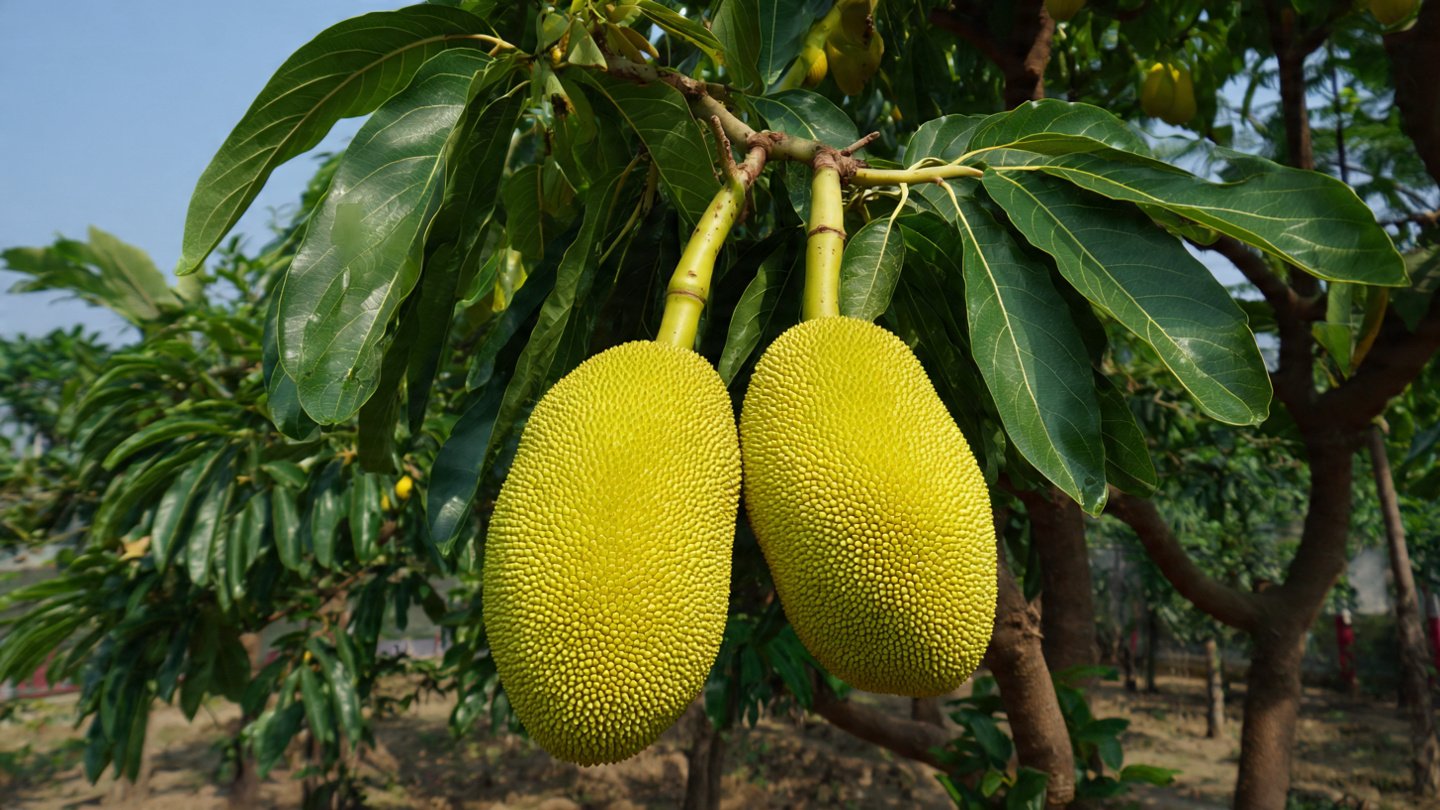
Jackfruit (Artocarpus heterophyllus) is one of the most remarkable tropical fruits, prized for its massive size, sweet flavor, and versatility in culinary applications. Growing a jackfruit tree from seeds is common, but it has one major limitation: seed-grown trees often take 7–10 years to bear fruit, and the quality may vary significantly. For home gardeners eager to enjoy consistent, high-quality fruit sooner, grafting is a proven technique to accelerate fruit production while maintaining the parent tree’s desirable traits. This guide provides a fast and easy approach to jackfruit tree grafting suitable for home gardens.
Why Grafting Jackfruit Trees?
Grafting is the process of joining a branch (scion) from a mature, desirable tree onto a young rootstock. This technique combines the best qualities of both plants: the strong root system of the rootstock and the fruit characteristics of the scion. Here’s why grafting is beneficial for jackfruit home gardening:
- Faster Fruit Production
Seed-grown jackfruit trees may take up to a decade to bear fruit. Grafted trees, however, can start flowering and fruiting in 3–5 years, dramatically reducing waiting time. - Consistent Fruit Quality
Grafting ensures that the fruit matches the parent tree in size, taste, and texture, unlike seed-grown trees which can be unpredictable. - Disease Resistance
Using a healthy rootstock increases the tree’s resistance to soil-borne diseases and environmental stress. - Space Efficiency
Grafted jackfruit trees often grow more compactly than seed-grown trees, making them suitable for smaller home gardens.
Materials Needed for Jackfruit Grafting
Before starting, gather the following materials:
- A healthy jackfruit rootstock, preferably 6–12 months old
- A scion from a fruit-bearing jackfruit tree
- A sharp grafting knife or scalpel
- Grafting tape or parafilm to secure the union
- Rooting hormone (optional, enhances success rate)
- A clean, well-ventilated workspace
- Plastic bags or a humidity chamber to maintain moisture
Choosing the Right Scion and Rootstock
The success of grafting heavily depends on selecting compatible scion and rootstock:
- Scion: Choose a young, healthy branch from a mature jackfruit tree that produces high-quality fruit. It should be about 6–8 inches long with 2–3 healthy buds.
- Rootstock: Preferably a seedling 6–12 months old with a strong stem and well-developed roots. Avoid rootstocks with signs of disease or weakness.
Tip:
Grafting is most successful when both the scion and rootstock are in the active growing season, usually during the spring or early monsoon when sap flow is high.
Step-by-Step Guide to Jackfruit Tree Grafting
There are multiple grafting techniques, but the cleft grafting method is one of the easiest and most effective for jackfruit trees.
Step 1: Prepare the Rootstock
- Select a healthy young rootstock about 1–2 feet tall.
- Make a vertical cut at the top of the rootstock about 1–2 inches deep, forming a cleft.
- Remove any leaves or side shoots near the grafting point to reduce moisture loss.
Step 2: Prepare the Scion
- Cut the scion to a length of 6–8 inches with 2–3 buds intact.
- Trim the bottom of the scion into a wedge shape, matching the cleft in the rootstock.
- Ensure the cut is clean and smooth to allow proper contact with the rootstock’s vascular tissue.
Step 3: Insert the Scion
- Carefully insert the wedge-shaped scion into the cleft of the rootstock.
- Ensure the cambium layers (the green layer just beneath the bark) of both rootstock and scion are aligned. This alignment is critical for successful nutrient and water transfer.
Step 4: Secure the Graft
- Wrap the graft union tightly with grafting tape or parafilm, leaving the top buds exposed.
- Optional: Apply grafting wax or sealant to prevent moisture loss and infection.
Step 5: Maintain Humidity and Care
- Place the grafted plant in a humid environment or cover it with a plastic bag to reduce water loss.
- Keep the plant in partial shade for the first 2–3 weeks.
- Water moderately, keeping the soil moist but not waterlogged.
Step 6: Monitor and Remove Tape
- Check the graft regularly for signs of growth. New leaves on the scion indicate successful grafting.
- After 3–4 weeks, carefully remove the tape to allow normal growth.
- Remove any shoots that emerge from the rootstock below the graft union to ensure all energy goes into the scion.
Tips for Increasing Grafting Success
- Fresh Scions: Use scions immediately after cutting to prevent drying.
- Sharp Tools: A clean, sharp grafting knife ensures smooth cuts and reduces infection risk.
- Proper Timing: Conduct grafting during periods of active growth when sap flow is optimal.
- Avoid Direct Sunlight: Newly grafted plants are sensitive; protect them from intense sun and strong winds.
- Monitor for Pests: Aphids or other pests can weaken the scion; use natural pest deterrents if necessary.
Aftercare for Grafted Jackfruit Trees
- Gradual Acclimatization: Once the graft has taken, gradually expose the plant to full sunlight.
- Pruning: Remove excessive lateral shoots from the scion to promote upward growth.
- Fertilization: Use balanced NPK fertilizers to support healthy vine and root development. Organic compost or well-rotted manure also enhances growth.
- Watering: Maintain consistent moisture, particularly during the first 2–3 months after grafting. Avoid waterlogging, which can cause root rot.
- Monitoring Growth: Expect the first signs of fruiting within 3–5 years, significantly earlier than seed-grown trees.
Advantages of Grafted Jackfruit Trees in Home Gardens
- Early Fruit Yield: Enjoy sweet, nutritious jackfruit years earlier than conventional trees.
- Uniform Fruit Quality: Scion inherits the exact fruit characteristics of the parent tree.
- Compact Growth: Grafted trees are more manageable in smaller home gardens.
- Reduced Maintenance: Elevated pest and disease resistance reduces chemical use and increases sustainability.
- Aesthetic Value: Grafted jackfruit trees with healthy foliage and early fruiting enhance the beauty of any garden.
Common Challenges and Solutions
- Graft Failure: Usually caused by misaligned cambium layers, drying scions, or improper humidity. Solution: Ensure clean cuts, proper alignment, and maintain moisture.
- Excess Rootstock Shoots: These can steal energy from the scion. Solution: Remove rootstock shoots regularly.
- Pest Attack: Newly grafted scions are vulnerable to aphids or mites. Solution: Monitor daily and use neem oil or insecticidal soap if needed.
- Environmental Stress: Extreme heat or heavy rain can damage the graft union. Solution: Use shade cloth or protective barriers.
Conclusion
Grafting is a game-changer for home gardeners looking to grow jackfruit efficiently and effectively. With minimal materials and careful attention, you can enjoy early fruit production, consistent quality, and a healthier tree. The cleft grafting method is fast, easy, and ideal for home setups, making it accessible even for beginners.
By understanding the principles of grafting, selecting the right scion and rootstock, and providing proper aftercare, any home gardener can successfully cultivate grafted jackfruit trees. This method not only reduces waiting time but also ensures that your garden produces high-quality jackfruit reliably for years to come.
For anyone passionate about home gardening, experimenting with grafting can be a rewarding experience—both in terms of gardening skill and delicious tropical harvests. So, gather your tools, prepare your scion and rootstock, and embrace this technique to transform your home garden into a thriving jackfruit paradise.