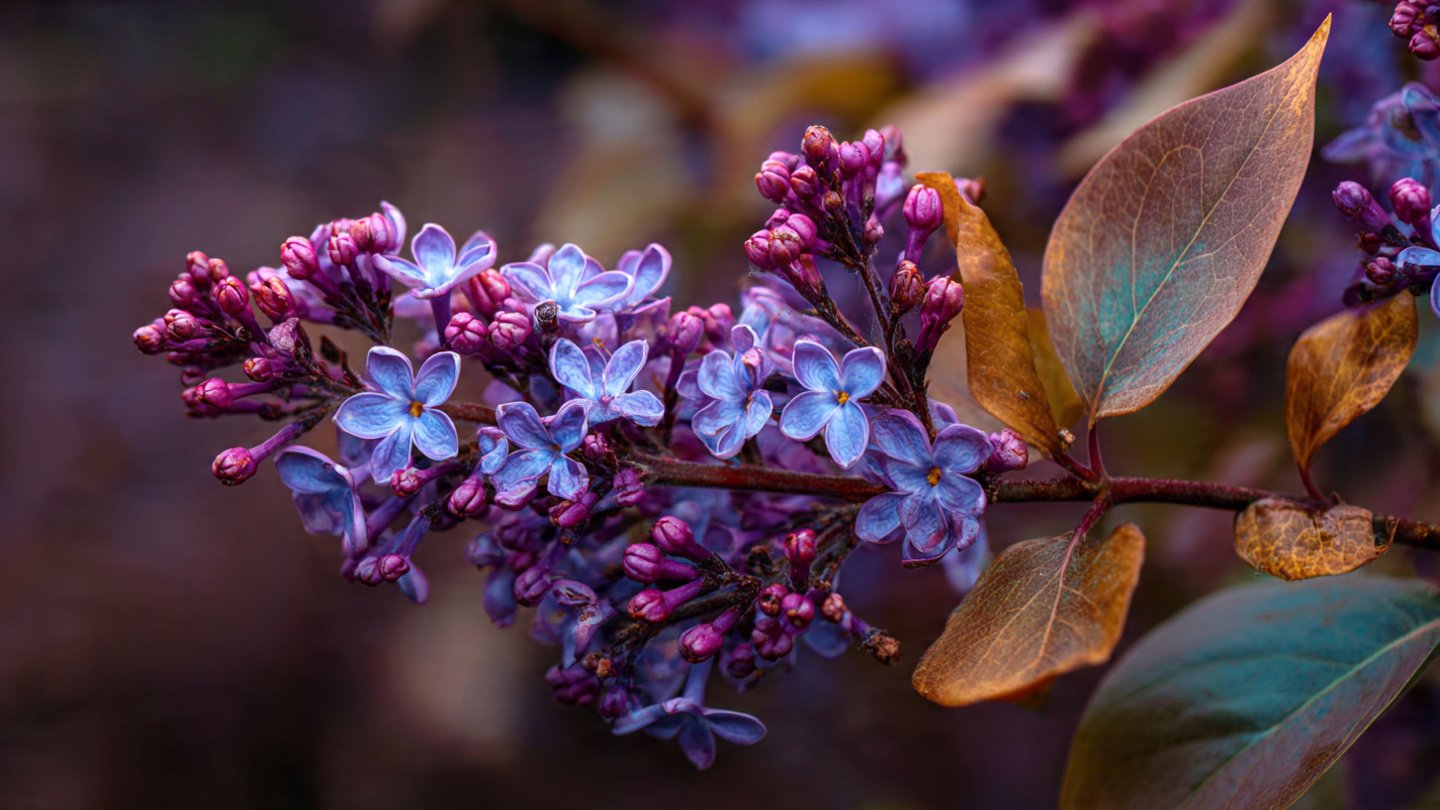
Lilacs (Syringa vulgaris) are beloved garden staples, cherished for their fragrant blooms, vibrant spring colors, and classic ornamental appeal. However, even the healthiest lilac can develop brown edges on its leaves, a sign that something in its environment or care routine may be off balance. While this symptom may seem minor, it can indicate stress, disease, or nutrient deficiencies that could affect the overall health and flowering potential of your plant.
Understanding the causes of brown leaf edges on lilacs is key to diagnosing the problem and helping your plant recover. This guide will explore why lilac leaves turn brown at the edges, the warning signs to watch for, and how to restore your plant to full health.
Understanding Brown Edges on Lilac Leaves
Brown edges on leaves, also known as leaf scorch or leaf tip burn, occur when the tissue at the edges of the leaf dries out and dies. On lilacs, this symptom can manifest in several ways:
- Leaf tips turning brown first, progressing inward
- Browning along the leaf margins while the rest of the leaf remains green
- Curling or crisping of affected leaves
While occasional browning can happen naturally, widespread or recurring brown edges usually indicate an underlying problem that needs attention.
Common Causes of Brown Leaf Edges on Lilacs
Several factors can contribute to brown edges on lilac leaves. Understanding the root cause is critical to choosing the right solution.
1. Watering Issues
Water stress is one of the most common reasons for brown leaf edges.
- Underwatering: Lilacs need consistent moisture, especially during hot, dry weather. When the roots cannot supply enough water to the leaves, the edges dry out first.
- Overwatering: Excess water can suffocate roots, leading to poor water uptake. This can also result in brown edges despite soil appearing wet.
Solution: Check soil moisture regularly. Water deeply once or twice a week during dry periods, ensuring the top 2–3 inches of soil dry out slightly between watering sessions.
2. Nutrient Deficiencies
Lilacs are heavy feeders and rely on certain nutrients to maintain healthy foliage.
- Potassium deficiency: Often causes browning along leaf margins. Leaves may also curl or become brittle.
- Magnesium deficiency: Can cause yellowing between leaf veins, followed by brown edges.
Solution: Use a balanced fertilizer, preferably one formulated for flowering shrubs. Conduct a soil test to determine specific nutrient deficiencies before adding supplements.
3. Sun and Heat Stress
Lilacs enjoy full sun, but extreme heat can stress the plant.
- Excessive sunlight: Prolonged exposure to intense sun can scorch leaves.
- High temperatures combined with dry winds: Causes rapid water loss from leaves, resulting in brown edges.
Solution: Mulch around the base to retain soil moisture and moderate root temperature. In extreme heat, provide temporary shade with shade cloth.
4. Soil and Drainage Problems
Lilacs prefer well-draining soil with neutral to slightly alkaline pH. Poor drainage can lead to root stress, which in turn affects leaf health.
- Heavy clay soil or compacted ground can prevent roots from accessing oxygen and nutrients.
- Waterlogged soil increases susceptibility to root rot, which causes brown leaf edges.
Solution: Improve soil structure by adding organic matter, sand, or perlite. Ensure the planting site allows water to drain freely.
5. Pests and Diseases
While less common, insects and diseases can also cause brown leaf edges.
- Powdery mildew: Usually causes white, powdery patches on leaves, but can weaken the plant and lead to browning edges.
- Bacterial or fungal infections: Can damage leaf tissue, leading to browning and curling.
- Aphids and mites: Suck sap from leaves, causing stress and tip burn.
Solution: Inspect leaves regularly for signs of pests or disease. Treat infestations promptly using insecticidal soap, neem oil, or appropriate fungicides. Prune affected leaves to prevent spread.
6. Environmental Stressors
Other environmental factors can affect lilac health:
- Salt buildup: Occurs in areas with high soil salinity or if treated with de-icing salts. Salt can accumulate in soil, drawing moisture away from roots.
- Transplant shock: Newly planted lilacs or those recently moved may show brown edges until roots establish.
- Chemical exposure: Herbicides or harsh fertilizers applied nearby can damage leaves.
Solution: Rinse soil occasionally to flush out salts and avoid applying harsh chemicals near lilacs. Protect newly transplanted plants with extra care until established.
Step-by-Step Approach to Fixing Brown Leaf Edges
Step 1: Identify the Cause
- Examine watering routine and soil moisture
- Check for nutrient deficiencies using a soil test
- Observe sun exposure and temperature conditions
- Inspect leaves for pests, fungal infections, or damage
Step 2: Adjust Care Routine
- Water consistently and deeply, allowing slight soil drying
- Apply mulch to conserve moisture and regulate temperature
- Fertilize based on soil test results, targeting nutrient deficiencies
Step 3: Prune Damaged Leaves
- Trim brown edges using clean, sharp scissors or pruners
- Remove severely affected leaves entirely to improve plant appearance and reduce stress
- Disinfect tools between cuts to prevent disease spread
Step 4: Treat Pests or Disease
- Use natural remedies or chemical treatments based on specific pest or disease diagnosis
- Apply fungicide or insecticide carefully, following instructions
Step 5: Monitor and Adjust
- Observe plant response over the next few weeks
- Adjust watering, fertilizing, or sun exposure as needed
- Continue regular inspection to prevent recurrence
Preventing Brown Leaf Edges on Lilacs
Prevention is often easier than treatment. Follow these tips:
- Water consistently: Deep watering once or twice a week is ideal
- Maintain soil health: Fertilize in early spring with a balanced shrub fertilizer
- Mulch: Use organic mulch to conserve moisture and moderate soil temperature
- Ensure proper drainage: Avoid waterlogged conditions
- Protect from harsh environmental stress: Temporary shade during heatwaves and avoid exposure to chemicals
- Regular pruning: Promotes airflow and reduces disease risk
By following these steps, you reduce the likelihood of brown leaf edges and keep your lilac healthy and vibrant.
When to Seek Expert Help
If brown edges persist despite proper care, it may indicate a deeper issue:
- Persistent disease or fungal infection
- Severe nutrient imbalance
- Long-term environmental stress
Consult a local extension service, horticulturist, or nursery for professional advice. They can provide soil analysis, disease identification, and treatment recommendations.
Additional Benefits of Maintaining Healthy Lilacs
Healthy lilacs are not just beautiful—they also:
- Attract pollinators like bees and butterflies
- Provide fragrant blooms in spring
- Serve as excellent hedges or ornamental focal points
- Enhance overall garden aesthetics with vibrant color and structure
By addressing brown leaf edges early, you ensure your lilac thrives for years to come.
Final Thoughts
Brown edges on lilac leaves are your plant’s way of communicating stress, whether due to water issues, nutrient deficiencies, sun damage, pests, or environmental factors. While the sight can be concerning, it is also an opportunity to adjust care, improve conditions, and restore your lilac to full health.
By carefully observing your plant, identifying the cause, and following proper watering, fertilizing, pruning, and pest management routines, you can prevent future browning and enjoy a lush, vibrant lilac display that fills your garden with beauty and fragrance every spring. 🌿