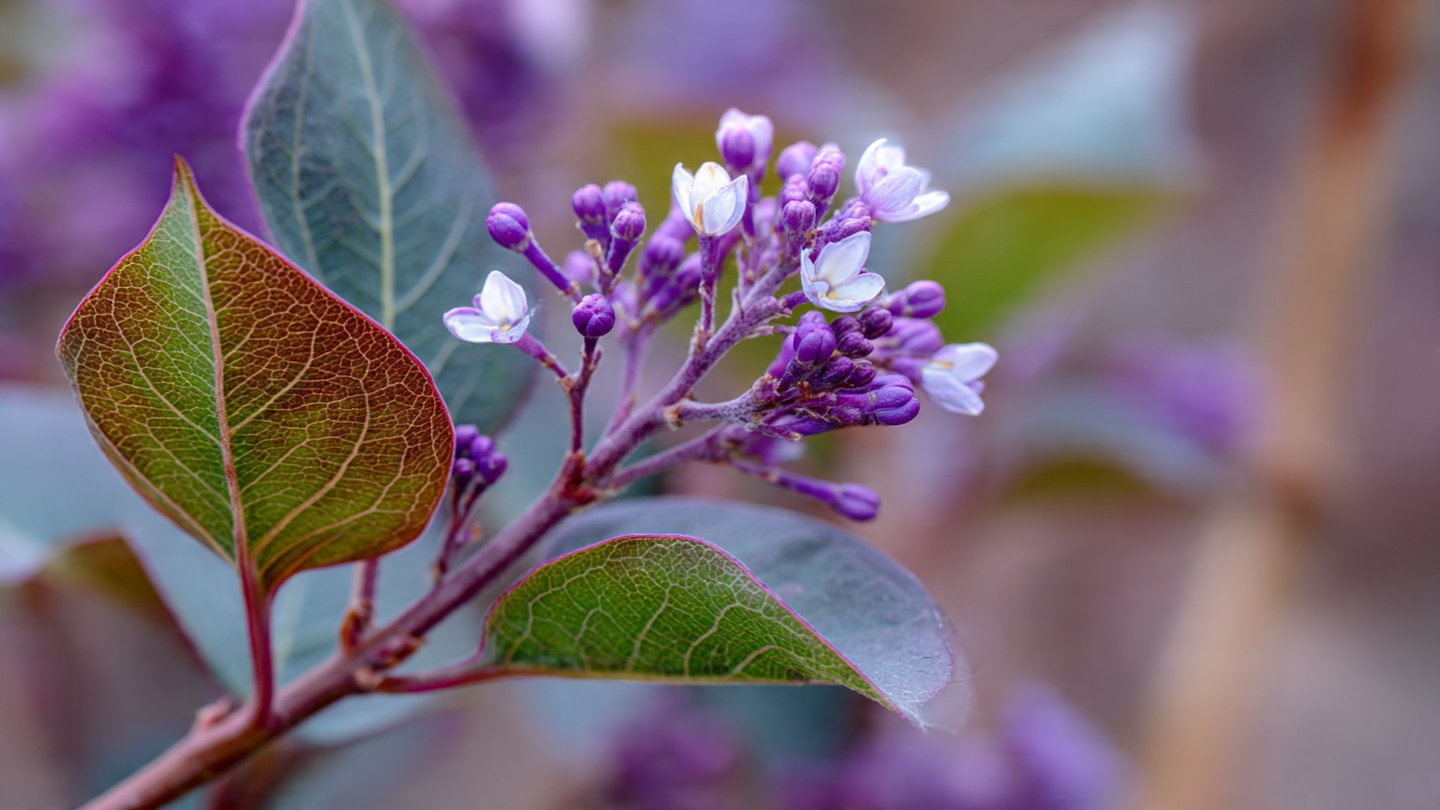
Lilacs (Syringa spp.) are beloved for their fragrant blooms, charming pastel colors, and ability to brighten any garden. Their lush green foliage and clusters of flowers make them a favorite for both novice and experienced gardeners. But sometimes, your lilac may give you subtle signals that something is amiss. One of the most common warning signs is browning edges on the leaves.
Brown leaf edges are not just an aesthetic issue—they can indicate underlying problems with water, nutrients, pests, diseases, or environmental stress. Understanding what your lilac is “saying” is the first step toward restoring it to full health. This guide will explain the causes, prevention, and remedies for brown-edged lilac leaves.
1. Understanding Leaf Browning in Lilacs
When you notice brown edges on lilac leaves, it is often a stress response. Plants use leaf tissue to conserve resources, and when stressed, they may develop brown margins as a warning. These edges usually start at the tips and spread inward along the leaf margins.
The browning can be caused by several factors:
- Environmental stress
- Water-related issues
- Nutrient deficiencies
- Pests and diseases
- Chemical damage
Identifying the cause is essential for effective treatment.
2. Water Stress: Too Much or Too Little
Water is critical to plant health, but both overwatering and underwatering can lead to brown leaf edges.
Underwatering
- Lilacs need regular watering, especially during dry spells.
- If soil becomes too dry, leaves may develop brown tips and edges as the plant conserves moisture.
- Young plants and container-grown lilacs are particularly sensitive.
Overwatering
- Poor drainage or excessive watering can cause root rot, limiting water uptake.
- Even with moist soil, leaves may brown at the edges because roots are damaged and unable to transport nutrients.
Solution:
- Check soil moisture by digging 2–3 inches down.
- Water deeply but only when the topsoil is dry.
- Ensure proper drainage to avoid waterlogged roots.
3. Sunburn or Environmental Stress
Lilacs are hardy plants, but extreme conditions can stress them and cause leaf browning.
Too Much Sun
- Direct, intense sunlight during hot summer days may scorch leaves.
- Leaf edges turn brown and crispy while the center remains green.
Harsh Winds
- Strong winds dry out leaf edges, causing browning and curling.
Temperature Fluctuations
- Sudden cold snaps in spring or frost damage can lead to brown leaf tips.
Solution:
- Plant lilacs in full sun to partial shade for optimal growth.
- Shield young or sensitive plants from harsh winds.
- Mulch around the base to protect roots and retain moisture.
4. Nutrient Deficiencies
Brown leaf edges can indicate a lack of essential nutrients. Lilacs need a balanced supply of nutrients to thrive.
Common Nutrient Issues
- Potassium deficiency: Causes leaf edges to turn brown and curl. Potassium is critical for flower and leaf development.
- Magnesium deficiency: Leads to yellowing leaves with brown margins between veins.
- Iron deficiency: Usually causes yellowing, but in severe cases, can also brown edges.
Solution:
- Conduct a soil test to determine deficiencies.
- Apply a balanced, slow-release fertilizer suitable for flowering shrubs.
- Consider foliar sprays for magnesium or iron if deficiencies are detected.
5. Pests and Diseases
Insects and diseases can stress lilacs and cause leaf edge browning.
Common Pests
- Aphids: Suck sap, weakening the plant. Infested leaves may curl and brown.
- Leaf miners: Create tunnels in leaves, causing brown spots and edges.
- Spider mites: Especially in hot, dry conditions, they suck leaf sap, leading to bronzed or brown edges.
Diseases
- Powdery mildew: While usually white and powdery, severe infections can stress leaves, causing browning.
- Bacterial blight: Starts as dark spots but may cause leaf edges to die back.
- Root rot fungi: Often caused by overwatering, leading to brown leaf margins.
Solution:
- Inspect leaves regularly for pests and treat with insecticidal soap or neem oil.
- Remove infected leaves to prevent disease spread.
- Ensure proper spacing and airflow to reduce fungal problems.
6. Chemical and Soil Factors
Sometimes, brown edges are caused by chemicals or soil issues:
- Excess salts: Over-fertilization or saline water can burn leaf margins.
- Herbicide drift: Nearby lawn or garden chemicals can damage lilac leaves.
- Poor soil drainage: Leads to toxic buildup and leaf browning.
Solution:
- Avoid excessive fertilizer; follow label directions carefully.
- Use rainwater or low-salt water for irrigation.
- Ensure good drainage and consider adding organic matter to improve soil structure.
7. Age and Natural Leaf Shedding
It’s important to remember that not all brown edges indicate a problem. Lilacs naturally shed older leaves:
- Older leaves may turn yellow or brown at the edges before dropping.
- This is part of the plant’s normal life cycle and usually not a cause for concern.
Tip:
- Focus on new growth. Healthy new leaves indicate your lilac is otherwise thriving.
8. How to Treat Brown Edges on Lilac Leaves
Once you identify the likely cause, you can take action:
Step 1: Prune Damaged Leaves
- Remove leaves with severe browning to improve aesthetics and reduce stress.
- Use clean, sharp pruning shears to prevent infections.
Step 2: Adjust Watering
- Correct underwatering or overwatering as needed.
- Mulch to maintain consistent soil moisture.
Step 3: Improve Nutrient Levels
- Apply balanced fertilizer and address specific nutrient deficiencies.
- Avoid sudden high-dose chemical fertilizers.
Step 4: Manage Pests and Diseases
- Treat infestations promptly with organic solutions when possible.
- Remove affected leaves and ensure proper airflow.
Step 5: Optimize Environmental Conditions
- Provide shade during extreme heat if needed.
- Protect plants from strong winds and frost.
9. Preventing Future Leaf Browning
Prevention is always better than cure. Here’s how to reduce future browning:
- Plant in well-drained soil to prevent root stress.
- Water consistently, allowing soil to dry slightly between watering.
- Fertilize appropriately and avoid overfertilization.
- Mulch around the base to conserve moisture and regulate temperature.
- Monitor for pests and diseases regularly and act early.
- Maintain proper spacing for airflow, especially in dense shrub plantings.
Healthy lilacs with proper care are far less likely to develop brown leaf edges.
10. When to Seek Expert Help
If your lilac continues to show extensive browning despite proper care, consider consulting a local horticulturist or extension service. Persistent browning may indicate:
- Severe soil pH imbalance
- Advanced fungal or bacterial infections
- Root issues beyond surface treatment
Professional advice can help save your plant before permanent damage occurs.
Final Thoughts
Brown edges on lilac leaves are your plant’s way of signaling stress. By observing, diagnosing, and addressing the underlying causes, you can restore your lilac to health. Most often, leaf browning is linked to water stress, nutrient deficiencies, environmental factors, or pests—all manageable with consistent care.
Understanding your lilac’s needs—proper watering, balanced nutrients, adequate sunlight, pest management, and soil health—ensures that it thrives and continues to delight with its fragrant blooms. With careful attention, your lilac can remain a vibrant and healthy centerpiece in your garden for years to come.
By reading the leaves correctly and responding to what your lilac is telling you, you not only save your plant from stress but also strengthen your skills as a gardener—turning every challenge into an opportunity to nurture a thriving garden.