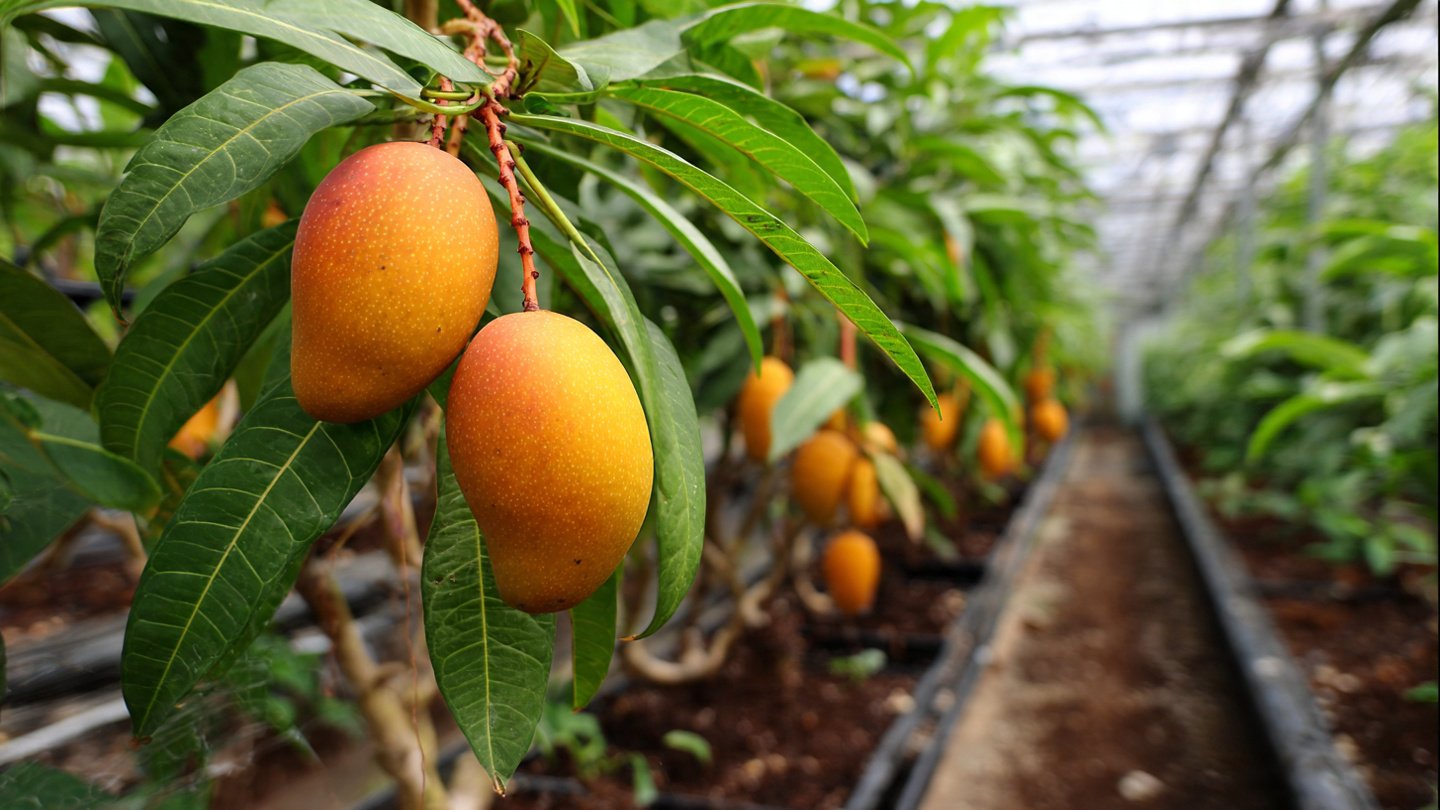
Mangoes are one of the most beloved tropical fruits worldwide, known for their sweet, fragrant flesh and vibrant colors. While traditional mango cultivation thrives in warm, subtropical, or tropical climates, gardeners and commercial growers in cooler regions often wonder: Is it possible to successfully grow exotic mango varieties in a greenhouse? The answer is yes—but it requires careful planning, controlled conditions, and attention to the unique needs of these tropical fruit trees.
This article explores the challenges and solutions for cultivating exotic mangoes in a greenhouse, offering insights for both hobbyists and professional growers.
Understanding Exotic Mango Varieties
When we talk about “exotic mangoes,” we usually refer to varieties that do not naturally grow in the local climate. Examples include:
- Alphonso – famous for its sweetness and aroma, native to India
- Kesar – prized for its rich flavor and bright orange flesh
- Carabao (Philippine mango) – soft, juicy, and very sweet
- Ataulfo (Honey mango) – small, golden, and buttery
These varieties often require long, warm growing seasons, consistent sunlight, and high humidity. Growing them in a greenhouse allows gardeners to simulate their native tropical conditions, even in temperate regions.
Why a Greenhouse Is Ideal for Exotic Mangoes
Mango trees are tropical by nature and can struggle with:
- Low temperatures: Mangoes are highly sensitive to frost and cold stress. Temperatures below 10°C (50°F) can damage buds and reduce flowering.
- Low humidity: Mangoes thrive in humidity levels of 50–70%. Dry air can stress the plant and hinder fruit development.
- Inconsistent sunlight: Mango trees require 6–8 hours of direct sunlight daily for healthy growth and fruit production.
A greenhouse provides the opportunity to control temperature, humidity, and light, making it possible to mimic tropical conditions even in regions with cold winters or fluctuating weather.
Key Requirements for Growing Mangoes in a Greenhouse
1. Temperature Control
Mango trees require warm temperatures for growth, flowering, and fruit set. Ideal ranges are:
- Daytime: 24–32°C (75–90°F)
- Nighttime: 18–24°C (65–75°F)
To maintain this, greenhouse growers may need:
- Heaters: Essential in winter or cold climates
- Ventilation systems: Prevent overheating in summer
- Insulated walls and shading: Protect against temperature extremes
Maintaining consistent temperatures is crucial; sudden drops can cause flower drop or fruit abortion.
2. Humidity and Moisture Management
Tropical mangoes require moderate humidity:
- Relative humidity: 50–70%
- Soil moisture: Even but well-draining
Excess humidity can encourage fungal diseases, while low humidity can stress the plant. Growers often use:
- Misting systems or humidifiers to maintain humidity
- Drip irrigation to control soil moisture without waterlogging roots
Proper drainage is critical. Mangoes are susceptible to root rot if the soil remains saturated.
3. Light Requirements
Mango trees are sun-loving plants, and exotic varieties require sufficient light to produce flowers and fruit. In greenhouses:
- South-facing windows or structures maximize sunlight exposure
- Supplemental LED or HPS grow lights can ensure 12–14 hours of light during shorter winter days
- Pruning and spacing prevent shading and encourage uniform growth
Without adequate light, trees may grow tall and leggy, with poor flowering and fruit set.
4. Potting and Soil
Exotic mangoes in a greenhouse are typically grown in large containers for mobility and root control. Considerations include:
- Container size: Minimum 50–100 liters (13–26 gallons) for mature trees
- Soil: Well-draining, loamy soil rich in organic matter
- pH level: Slightly acidic to neutral (pH 5.5–7.0)
Container growing allows better control over soil nutrients, moisture, and root temperature, all crucial for tropical mango health.
5. Fertilization and Nutrient Management
Exotic mangoes are heavy feeders and require a balanced supply of nutrients:
- Nitrogen: Promotes leafy growth
- Phosphorus: Encourages root development and flowering
- Potassium: Supports fruiting and improves sugar content
Fertilizers should be applied according to growth stage:
- Vegetative stage: High nitrogen
- Flowering stage: Reduced nitrogen, increased phosphorus and potassium
- Fruit development: Potassium-rich fertilization to enhance flavor
Micronutrients like magnesium, zinc, and iron may also be necessary for optimal growth.
6. Pollination Techniques
In a natural tropical environment, mango trees rely on insects and wind for pollination. In a greenhouse, especially if the structure is enclosed:
- Hand pollination with small brushes or cotton swabs can improve fruit set
- Introducing pollinator insects, such as bees, can be effective in larger greenhouses
- Ensuring multiple flowers bloom simultaneously increases the chance of successful pollination
Without pollination, mango flowers may not develop into fruit, even under ideal growing conditions.
7. Pruning and Training
Greenhouse-grown mangoes benefit from controlled pruning to maintain manageable size and improve air circulation:
- Remove crossing branches to prevent disease
- Shape the canopy for maximum light penetration
- Pinch new growth to encourage branching and flower production
Regular pruning also helps fit large trees into limited greenhouse space while promoting healthy flowering.
Challenges in Growing Exotic Mangoes in a Greenhouse
Despite controlled conditions, growing exotic mangoes is not without challenges:
- Space Constraints: Mango trees are naturally large and can reach 10–15 meters outdoors. Greenhouse cultivation often requires dwarf or grafted varieties.
- Flowering and Fruiting Timing: Mangoes have specific flowering triggers, including temperature fluctuations and stress, which are harder to replicate artificially.
- Pest and Disease Management: Greenhouses can increase humidity and warmth, promoting pests such as mealybugs, aphids, and spider mites, as well as fungal infections like powdery mildew and anthracnose.
- Pollination Limitations: Absence of natural pollinators can reduce fruit set without hand pollination.
- High Maintenance Costs: Heating, lighting, and humidity control can be energy-intensive, making greenhouse cultivation more expensive than traditional outdoor growth.
Tips for Success
To maximize the chances of success when growing exotic mangoes in a greenhouse:
- Choose grafted or dwarf varieties for manageable size
- Simulate seasonal cues: Some exotic mangoes require a dry period to trigger flowering
- Monitor microclimate conditions daily — temperature, humidity, and light
- Use high-quality soil and slow-release fertilizers
- Implement preventive pest management before outbreaks occur
- Be patient: Exotic mangoes may take 2–4 years to produce fruit even under ideal conditions
Advantages of Greenhouse Cultivation
While challenging, greenhouse cultivation offers unique benefits:
- Year-round growing opportunity outside tropical regions
- Protection from frost, wind, and excessive rainfall
- Ability to experiment with rare or exotic mango varieties not suited to the local climate
- Enhanced control over pests, diseases, and nutrient supply
For hobbyists or commercial growers aiming for high-value, niche exotic mango markets, greenhouse cultivation can be profitable and rewarding.
Conclusion
Successfully growing exotic mangoes in a greenhouse is entirely possible but requires careful attention to the tropical needs of the plant: warmth, humidity, sunlight, nutrition, and pollination. While challenges like space limitations, pollination difficulties, and high maintenance costs exist, controlled greenhouse conditions allow growers to simulate the mango tree’s native environment, enabling flowering and fruit production even in non-tropical climates.
For dedicated gardeners and greenhouse enthusiasts, growing mangoes offers the reward of harvesting sweet, exotic fruit in regions where it would otherwise be impossible, opening the door to experimentation with rare and unique varieties. With proper planning, monitoring, and care, your greenhouse can become a mini tropical paradise where exotic mangoes flourish year-round.