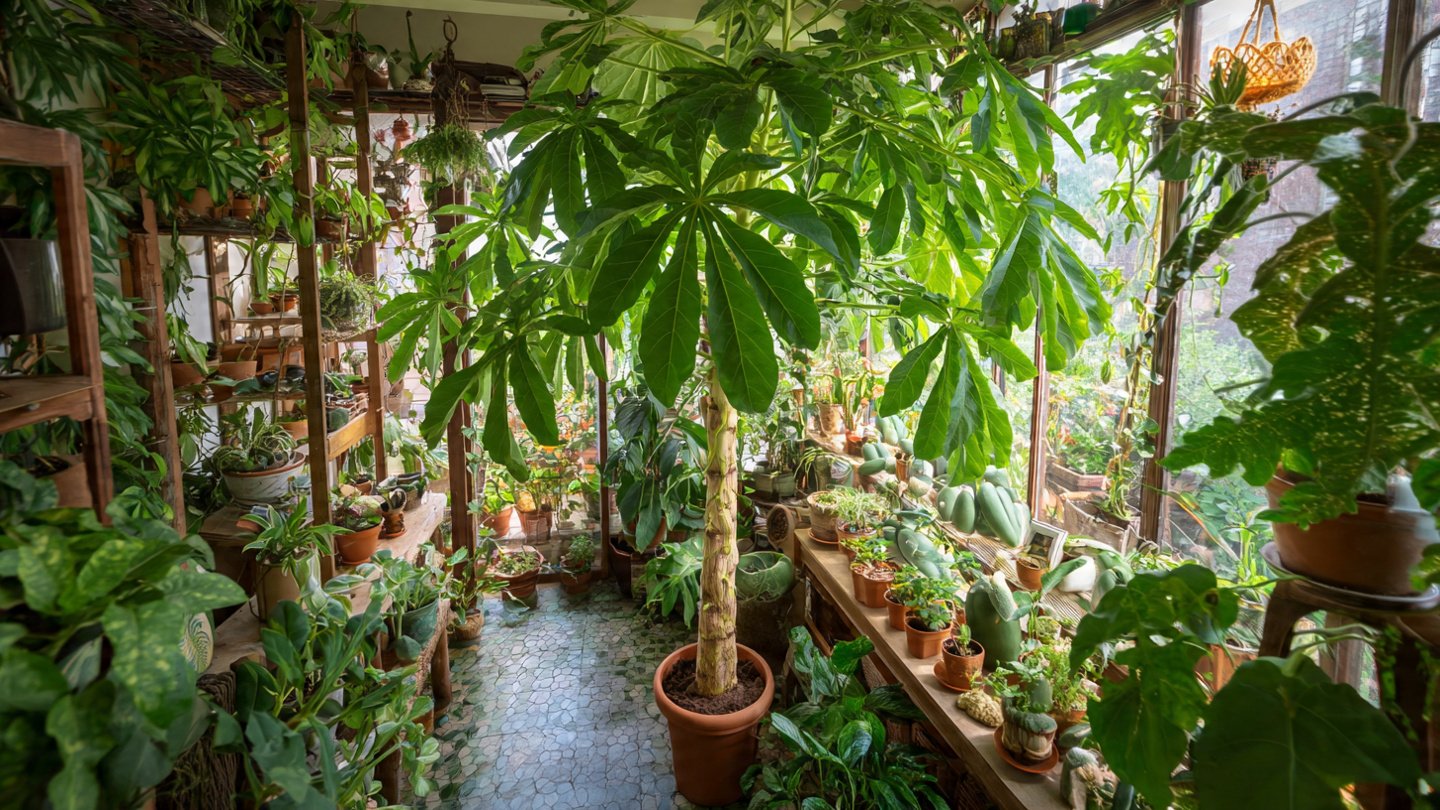
When most people think of papaya, they imagine tropical climates, sandy beaches, and lush gardens bathed in sunlight. But what if I told you that you could grow a papaya tree right inside your house? That’s right! Over the past year, I successfully nurtured a papaya tree in my living room, and it not only survived but thrived, giving me a taste of tropical paradise indoors. In this guide, I’ll walk you through everything I learned, step by step, so you can start your own indoor papaya-growing adventure.
Why Grow Papaya Indoors?
Papayas are known for their delicious, sweet flesh and numerous health benefits—they are rich in vitamin C, fiber, and antioxidants. Growing them indoors has several advantages:
- Year-Round Growth: Unlike outdoor gardening, indoor plants are not subject to frost or seasonal changes.
- Pest Control: Indoor environments reduce the risk of pests and diseases common in outdoor gardens.
- Accessibility: You can enjoy fresh papayas without needing a backyard or a tropical climate.
- Aesthetic Appeal: Papaya trees are striking and can become a tropical centerpiece in your home.
While papayas are generally considered tropical, they are surprisingly adaptable, making them excellent candidates for indoor cultivation if given the right conditions.
Choosing the Right Papaya Variety
The first step in growing papaya indoors is selecting a suitable variety. There are two main types: solo varieties and formosa varieties. Solo varieties tend to stay smaller and produce fruit faster, which makes them ideal for indoor spaces. Formosa varieties, on the other hand, can grow much larger and are better suited for outdoor cultivation in warmer climates.
For indoor growing, look for dwarf or compact varieties. Some popular options include:
- Red Lady Papaya: Compact, disease-resistant, and produces fruit within 9–12 months.
- Tainung Dwarf: Known for high fruit yield and smaller stature.
- Sunrise Solo: Easy to grow and highly adaptable for indoor conditions.
Starting from seeds is the most common approach for indoor papaya, but you can also buy young seedlings from nurseries if you want to skip the germination process.
Germinating Papaya Seeds
Growing a papaya tree from seed is incredibly rewarding and surprisingly easy. Here’s how I did it:
- Extract Seeds: Cut a ripe papaya and scoop out the seeds. Rinse them gently to remove the gelatinous coating.
- Drying: Spread the seeds on a paper towel and let them dry for 24–48 hours. This helps prevent mold during germination.
- Soil Preparation: Use a light, well-draining potting mix. Papayas dislike soggy soil. A mix of peat moss, perlite, and compost works well.
- Planting: Sow seeds about ½ inch deep in small pots. Keep the soil consistently moist but not waterlogged.
- Warmth and Light: Papaya seeds germinate best in warm temperatures (70–85°F). Place the pots in a sunny windowsill or under grow lights. Germination usually takes 2–3 weeks.
Tip: For better results, plant multiple seeds in separate pots. Papaya seeds do not always germinate, and planting a few increases your chances of success.
Potting and Indoor Placement
Once your seedlings develop 4–6 true leaves, it’s time to transplant them into larger pots. Papaya trees have shallow but extensive root systems, so choose wide pots rather than very deep ones. A pot with at least 12–16 inches in diameter is ideal for young trees.
Placement is crucial for indoor papaya growth. These trees need lots of light—ideally 8–10 hours a day. If natural sunlight is limited, use full-spectrum grow lights to supplement. I placed my papaya tree near a south-facing window and supplemented with LED grow lights, which made a huge difference in growth rate.
Watering and Humidity
Papayas are tropical plants and thrive in consistent moisture. However, overwatering can lead to root rot, a common problem for indoor papayas. I learned that the key is to let the top inch of soil dry slightly between waterings.
Humidity is another factor. Papayas prefer 50–70% humidity, which can be challenging indoors during winter months. Using a small humidifier or placing the pot on a tray with water and pebbles can help maintain the ideal environment.
Fertilizing Your Indoor Papaya
Papayas are heavy feeders. Indoors, they rely entirely on you for nutrients, so regular fertilization is essential. I used a balanced liquid fertilizer (10-10-10 NPK) every two weeks during the growing season. Once the plant starts flowering, switching to a fertilizer higher in phosphorus (the middle number) can promote healthy fruit development.
Organic options like compost tea or worm castings also work beautifully and improve soil structure. Remember: papayas grow quickly, so they burn through nutrients fast.
Pollination and Flowering
Papayas are unique because they have three flower types: male, female, and hermaphrodite. Hermaphrodite plants can self-pollinate and are the easiest choice for indoor growers. Male plants produce pollen but no fruit, while female plants require pollen from a male to set fruit.
If you are growing from seeds, you won’t know the plant’s sex until it flowers. For indoor growers, it’s wise to select a hermaphrodite seedling from a nursery if you want fruit without hand pollination. If your tree does require pollination, gently transferring pollen with a small brush from one flower to another works well.
Pruning and Managing Growth
Papaya trees can grow tall quickly—even indoors. I pruned the lower leaves and any dead or yellowing leaves to maintain airflow and encourage vertical growth without becoming a tangled mess.
Regular pruning also helps the tree direct energy toward fruit production. However, avoid excessive pruning, as papayas have soft stems that are prone to stress.
Dealing with Pests and Diseases
Indoor papayas are less prone to pests, but occasional infestations can happen. Aphids, spider mites, and mealybugs are the most common. I treated mine with insecticidal soap and a careful rinse under lukewarm water.
Root rot and fungal infections are more significant concerns. Using well-draining soil and avoiding overwatering minimizes these risks. A clean environment and proper airflow go a long way in keeping your indoor papaya healthy.
Harvesting Papayas Indoors
Patience is key—papayas typically take 6–12 months to produce fruit indoors. Signs of ripening include a change in skin color from green to yellow-orange and a slightly soft texture when gently pressed.
Once harvested, papayas can continue ripening at room temperature. Slice, cube, or enjoy fresh off the tree—the taste is far superior to store-bought papayas, and there’s something magical about eating fruit you grew yourself indoors.