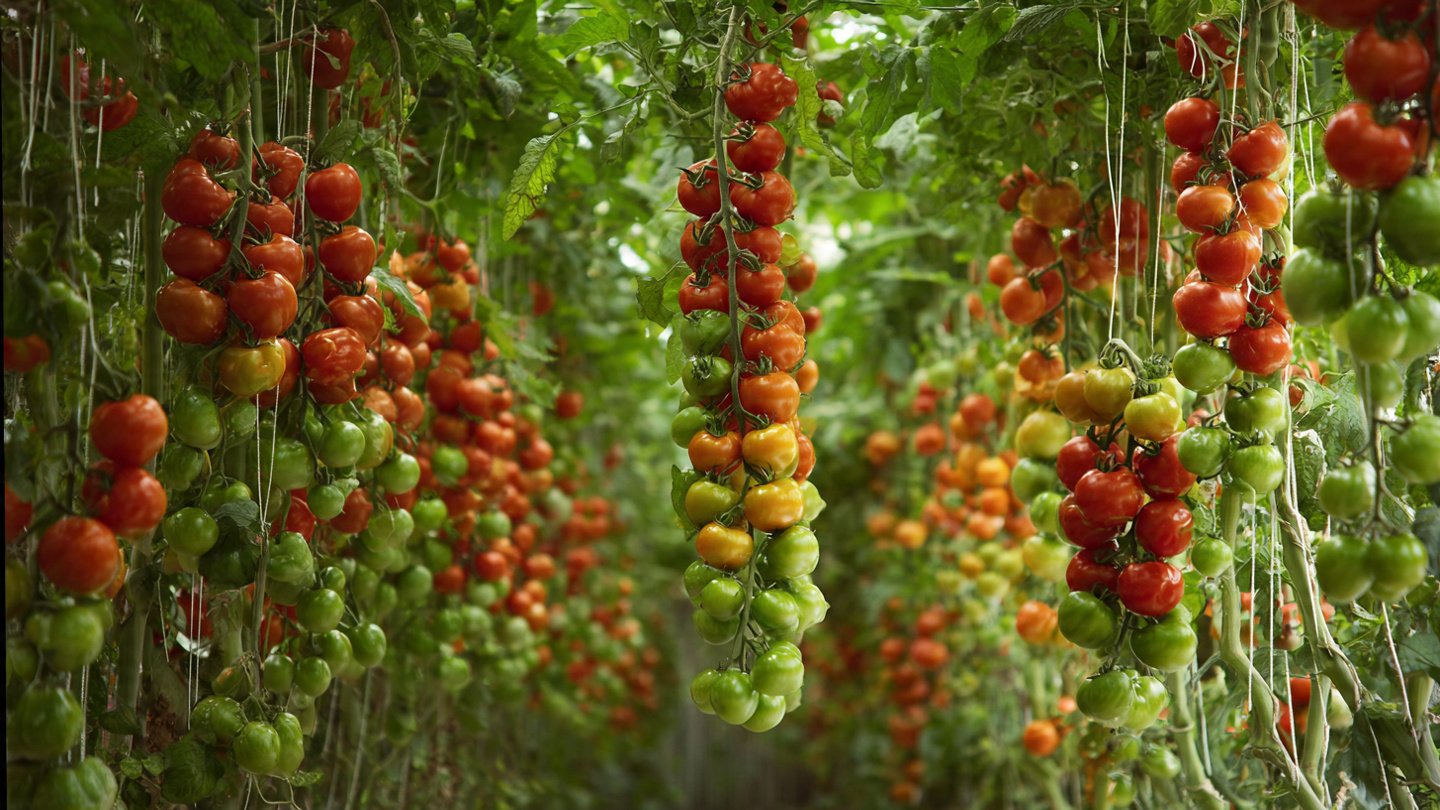
Tomatoes are one of the most rewarding plants to grow at home. Their vibrant colors, sweet and tangy flavors, and versatility in the kitchen make them a favorite for both novice and experienced gardeners. However, many of us face space limitations, especially in apartments or homes without a backyard. That’s where a hanging tomato garden comes in. I recently embarked on this gardening adventure, and the results were nothing short of amazing. In this article, I’ll share my journey, tips, and step-by-step guide on how you can grow juicy tomatoes anywhere—even if you have limited space.
Why a Hanging Tomato Garden?
Traditional tomato gardens require ground space, which isn’t always available. A hanging tomato garden allows you to:
- Maximize vertical space: Use walls, ceilings, or railings to grow multiple plants without needing a large garden plot.
- Improve air circulation: Hanging plants are exposed to more air, reducing the risk of fungal infections.
- Reduce pests: Elevated plants are less accessible to common ground pests like slugs.
- Create a stunning display: Hanging tomatoes add greenery and a touch of charm to balconies, patios, or even indoor spaces.
For me, space was a constraint. My small balcony received plenty of sunlight, but planting directly in pots on the floor took up valuable room. The hanging tomato garden was the perfect solution.
Choosing the Right Tomatoes for Hanging Gardens
Not all tomato varieties are ideal for hanging planters. For a successful hanging garden, consider:
- Determinate vs. Indeterminate
- Determinate (bush) tomatoes grow to a fixed size and produce fruit all at once. They’re compact and easier to manage in hanging containers.
- Indeterminate (vining) tomatoes keep growing and producing fruit throughout the season. These are excellent if you want continuous harvest, but they need sturdier support.
- Cherry or Grape Tomatoes
- Smaller varieties are ideal for hanging gardens because they are lighter and less likely to break stems.
- They also look visually appealing cascading from pots.
- Heirloom Varieties
- If you prefer taste and diversity, heirloom varieties can work well if your hanging system is strong enough to support them.
In my garden, I chose Sweet 100 cherry tomatoes for their high yield, sweet flavor, and manageable size. They ended up looking like vibrant red beads spilling from the pots—truly beautiful.
Selecting the Perfect Hanging Containers
The container you use is crucial. Here are some options:
- Hanging baskets with coco liners: Traditional baskets lined with coconut fiber provide good drainage.
- Fabric grow bags with handles: These are lightweight and breathable, allowing roots to grow healthily.
- DIY options: Old buckets, colanders, or even repurposed plastic containers can work if they have drainage holes.
I used fabric grow bags with built-in hanging handles. They were easy to hang, lightweight when filled with soil, and allowed the roots to breathe. I also made sure each bag had drainage holes at the bottom to prevent waterlogging.
The Soil Mix: Feeding Your Hanging Tomatoes
Tomatoes are heavy feeders, so choosing the right soil mix is key. I used a combination of:
- Quality potting soil: Provides a good base and structure.
- Compost: Adds essential nutrients and improves soil texture.
- Perlite or vermiculite: Ensures proper drainage and prevents root rot.
A good ratio is roughly 60% potting soil, 30% compost, and 10% perlite. I also added a slow-release fertilizer designed for tomatoes to provide consistent nutrients throughout the growing season.
How to Plant Tomatoes in Hanging Baskets
Planting tomatoes in a hanging garden is a bit different from planting in-ground. Here’s the method I followed:
- Prepare the container
Fill the basket or bag about two-thirds full with your soil mix. - Plant deeply
Tomatoes can develop roots along their stems. I removed the lower leaves and buried about two-thirds of the stem in the soil. This ensures a stronger root system and healthier plant. - Water thoroughly
Make sure the soil is evenly moist, but not soggy. Hanging containers dry out faster, so frequent watering is necessary. - Add support
For indeterminate varieties, I added a small tomato cage inside the hanging bag. This keeps vines upright and prevents breakage.
Choosing the Right Location
Tomatoes need sunlight to thrive. My balcony receives 6–8 hours of direct sunlight per day, which is ideal. Here are some tips:
- Sunlight: Place hanging baskets where they get full sun.
- Air circulation: Ensure there’s space between each plant to prevent fungal issues.
- Accessibility: Hang them at a height where you can easily water, prune, and harvest without strain.
I installed sturdy hooks in my balcony ceiling and spaced the baskets about 12 inches apart. This setup allowed the plants to dangle freely while still being within reach.
Watering and Fertilizing Hanging Tomatoes
Hanging tomatoes dry out faster than ground-planted ones. Here’s my routine:
- Daily check: I check the soil moisture every morning, especially during hot months.
- Deep watering: I water until excess comes out of the drainage holes to ensure roots get hydrated.
- Fertilizing: Every two weeks, I used a water-soluble tomato fertilizer rich in nitrogen, phosphorus, and potassium. This promotes healthy leaves, flowers, and fruit.
Tip: Avoid overwatering, as it can lead to root rot. Using soil with good drainage and lightweight mulch on top helps retain moisture.
Pruning and Training Your Tomatoes
Pruning is essential for hanging tomatoes, especially indeterminate varieties:
- Remove suckers: These are the small shoots that grow between the main stem and branches. Removing them directs energy to fruit production.
- Trim excess leaves: This improves airflow and reduces the risk of disease.
- Train vines: Gently guide longer vines to cascade naturally or wrap around the support structure.
Pruning not only improves health but also enhances fruit production. I noticed that after pruning, my plants produced larger, juicier tomatoes.
Common Challenges and How to Overcome Them
Even with careful planning, hanging tomatoes come with challenges:
- Wind damage
Hanging baskets can sway in strong winds. I used twine to secure the baskets to the railing for stability. - Nutrient depletion
Containers have limited soil. Regular fertilizing is key to maintaining healthy growth. - Pests
Aphids and whiteflies can appear even in elevated gardens. I used organic neem oil sprays to keep them under control. - Water stress
Hanging containers dry out faster. Using self-watering pots or adding water-retaining crystals to the soil can help.
Harvesting Your Juicy Tomatoes
The best part of a hanging tomato garden is harvesting. I waited until the tomatoes were fully colored and slightly soft to the touch. The elevated position made picking easier, and I could see each fruit dangling like a jewel.
Cherry tomatoes are perfect for snacking, salads, or garnishing dishes. In my garden, the plants continued producing for months, giving me a continuous supply of fresh tomatoes.
Benefits Beyond Space Saving
Creating a hanging tomato garden offers more than just space efficiency:
- Aesthetic appeal: Cascading green vines and red tomatoes brighten up any balcony or patio.
- Mental well-being: Gardening reduces stress and provides a sense of accomplishment.
- Freshness and flavor: There’s nothing like picking tomatoes straight from your own garden.
- Educational value: It’s a great way for kids to learn about plant growth and responsibility.
My Tips for Success
- Choose lightweight containers to prevent strain on hooks and ceilings.
- Rotate baskets occasionally to ensure all sides get sunlight.
- Regularly prune and pinch to maximize fruit yield.
- Monitor soil moisture daily, especially during hot seasons.
- Start with easy-to-grow varieties like cherry tomatoes before trying larger ones.
Conclusion
Building a hanging tomato garden has transformed my limited balcony into a productive, beautiful space. I can grow juicy tomatoes year-round, even without a backyard. The process requires some planning and care, but the rewards—fresh, flavorful tomatoes and the joy of gardening—are well worth it.
If you’ve been dreaming of growing your own tomatoes but lack space, a hanging tomato garden is a fantastic solution. From choosing the right varieties to maintaining soil, watering, and pruning, every step contributes to a successful harvest. Whether you’re a beginner or an experienced gardener, this approach allows you to enjoy fresh tomatoes and a vibrant garden anywhere.
Start small, experiment, and watch your hanging tomatoes flourish. Soon, you’ll have a bountiful harvest spilling from the sky, right at your doorstep.