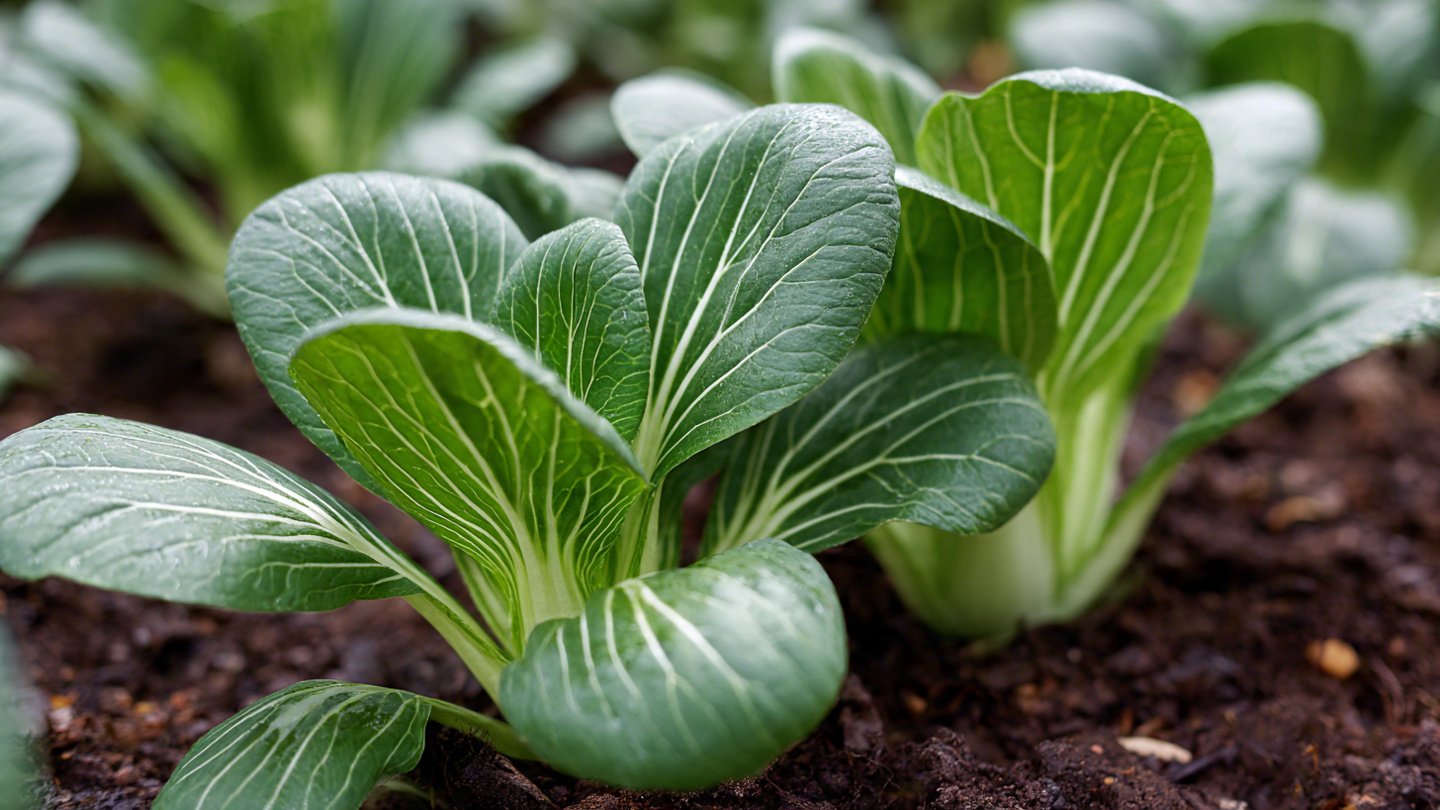
Bok choy, also known as pak choi or Chinese cabbage, is a versatile and nutrient-packed leafy green that has become a favorite among home gardeners. With its crisp texture, mild flavor, and fast growth cycle, it’s perfect for salads, stir-fries, soups, and more. But many gardeners struggle to get consistent, fast-growing plants, especially in home gardens where space and soil conditions may not be ideal.
The good news? There’s an easy hack that can dramatically speed up bok choy growth and boost your garden yield. By understanding the plant’s needs and applying this simple technique, you can enjoy a bountiful harvest in less time—without relying on chemical fertilizers or complicated systems.
Why Bok Choy Is Perfect for Home Gardens
Before diving into the hack, let’s quickly review why bok choy is a great choice for your garden:
- Fast-growing: Most varieties mature in 30–45 days, allowing multiple harvests in a season.
- Compact size: Ideal for small garden beds, containers, or vertical gardening.
- Nutrient-rich: Packed with vitamins A, C, K, calcium, and antioxidants.
- Cold-tolerant: Can be grown in cooler seasons with less risk of bolting.
- Versatile: Leaves, stems, and baby greens can all be used in cooking.
These advantages make bok choy a reliable crop for beginner and experienced gardeners alike.
Understanding Bok Choy Growth
To grow bok choy quickly, it’s important to understand its natural growth cycle:
- Seed germination: Bok choy seeds sprout in 5–7 days under optimal conditions.
- Seedling stage: Plants develop 4–6 true leaves within 2–3 weeks.
- Maturity: Full heads can be harvested in 30–45 days, depending on variety and growing conditions.
Bok choy prefers cool weather, consistent moisture, and fertile, well-drained soil. When stressed by heat, drought, or poor nutrients, growth slows, and plants may bolt prematurely.
The Easy Hack: Using Nutrient-Rich Water and Mulching
The “easy hack” to accelerate bok choy growth involves two complementary techniques:
1. Nutrient-Rich Watering
Instead of plain water, use a mild organic nutrient solution to feed the plants as they grow. This provides a direct supply of essential nutrients without overloading the soil.
How to make a simple nutrient solution:
- Mix 1 tablespoon of liquid seaweed or fish emulsion per liter of water.
- Optionally, add 1 teaspoon of molasses for extra energy and beneficial microbes.
- Water bok choy seedlings lightly 2–3 times a week with this solution.
Benefits:
- Stimulates faster leaf and root growth.
- Improves overall plant health and resilience.
- Boosts soil microbial activity, which supports nutrient absorption.
2. Mulching for Moisture and Temperature Control
Mulch acts as a protective blanket around bok choy plants. It helps regulate soil temperature, retain moisture, and prevent weeds from competing with your crop.
Recommended mulch materials:
- Straw or hay
- Shredded leaves
- Grass clippings
- Coconut coir
Apply a 2–3 inch layer around seedlings, keeping mulch slightly away from the plant’s crown to prevent rot. Mulching ensures that water from your nutrient-rich solution remains in the root zone longer, accelerating growth.
Step-by-Step Guide to Grow Bok Choy Fast
Step 1: Choose the Right Variety
Select a fast-growing variety for maximum yield:
- “Shanghai Bok Choy” – Small, tender, and very quick to mature.
- “Michihili” – Compact and resistant to bolting.
- “Joi Choi” – Produces a steady supply of leaves.
Step 2: Prepare Your Soil
- Ensure well-draining soil rich in organic matter.
- Add compost or aged manure to boost fertility.
- Maintain a slightly acidic to neutral pH (6.0–7.0).
Step 3: Sow Seeds
- Plant seeds ½ inch deep, 1–2 inches apart in rows or seed trays.
- Keep soil consistently moist using plain water initially.
Step 4: Thin Seedlings
- Once seedlings develop 2–3 true leaves, thin them to 6–12 inches apart.
- Crowded plants grow slower and are more prone to disease.
Step 5: Apply the Nutrient-Rich Water
- Begin feeding seedlings 7–10 days after germination.
- Water at the base to avoid wetting leaves and prevent fungal issues.
Step 6: Mulch Around Plants
- Apply mulch immediately after thinning.
- Replenish as necessary to maintain soil moisture and temperature.
Step 7: Monitor and Maintain
- Keep an eye out for pests like aphids or flea beetles.
- Remove weeds promptly, even with mulch in place.
- Maintain consistent moisture without waterlogging.
Tips to Boost Bok Choy Yield
- Succession Planting: Sow new seeds every 2–3 weeks to maintain a continuous harvest.
- Partial Shade in Hot Seasons: Bok choy grows best in cooler weather; shade in summer prevents bolting.
- Intercropping: Plant fast-growing greens like radishes between bok choy to maximize space.
- Harvest Baby Greens: Picking small leaves encourages the plant to produce more.
- Rotate Crops: Avoid planting bok choy in the same soil repeatedly to prevent pests and nutrient depletion.
Common Challenges and How to Solve Them
1. Bolting (Premature Flowering)
- Cause: Heat stress or irregular watering.
- Solution: Provide partial shade and consistent moisture.
2. Pests (Aphids, Flea Beetles, Slugs)
- Cause: Common leafy green pests.
- Solution: Use organic insecticidal soap or introduce beneficial insects like ladybugs.
3. Yellowing Leaves
- Cause: Nutrient deficiency or overwatering.
- Solution: Adjust watering and continue nutrient-rich feeding.
4. Slow Growth
- Cause: Poor soil or insufficient nutrients.
- Solution: Apply your easy hack—nutrient-rich water plus mulch—to accelerate growth.
Harvesting Bok Choy
Bok choy is ready to harvest in as little as 30 days for baby leaves and 45 days for full heads.
- Baby leaves: Harvest by cutting leaves 1–2 inches above the soil, allowing regrowth.
- Full heads: Cut at the base, leaving roots in place if possible for a second flush of growth in some varieties.
Regular harvesting encourages continued growth and maximizes yield from your garden space.
Why This Hack Works
The combination of nutrient-rich water and mulching creates optimal growing conditions by:
- Supplying essential nutrients directly to roots
- Encouraging faster photosynthesis and leaf production
- Maintaining soil moisture without overwatering
- Reducing environmental stress on the plants
This simple method allows bok choy to grow faster and stronger, producing a higher yield without complicated equipment or chemicals.
Additional Benefits of Growing Bok Choy Fast
- More frequent harvests: Multiple plantings per season are possible.
- Improved nutrition: Young, fast-grown leaves are tender and packed with vitamins.
- Efficient use of garden space: Compact plants with faster cycles allow more crops in the same area.
- Sustainable gardening: Organic solutions reduce chemical use and enhance soil health.
Final Thoughts
Growing bok choy fast doesn’t have to be difficult or expensive. By using this easy hack—feeding with nutrient-rich water and mulching properly—you create ideal growing conditions for your plants. Combined with good soil preparation, appropriate spacing, and regular maintenance, you can enjoy larger, healthier, and more abundant harvests.
Whether you are growing in a backyard garden, raised beds, or containers, this technique ensures that bok choy grows quickly, boosts your garden yield, and gives you fresh, nutritious greens ready to enjoy in your meals. With minimal effort and maximum reward, this hack is a game-changer for home gardeners.