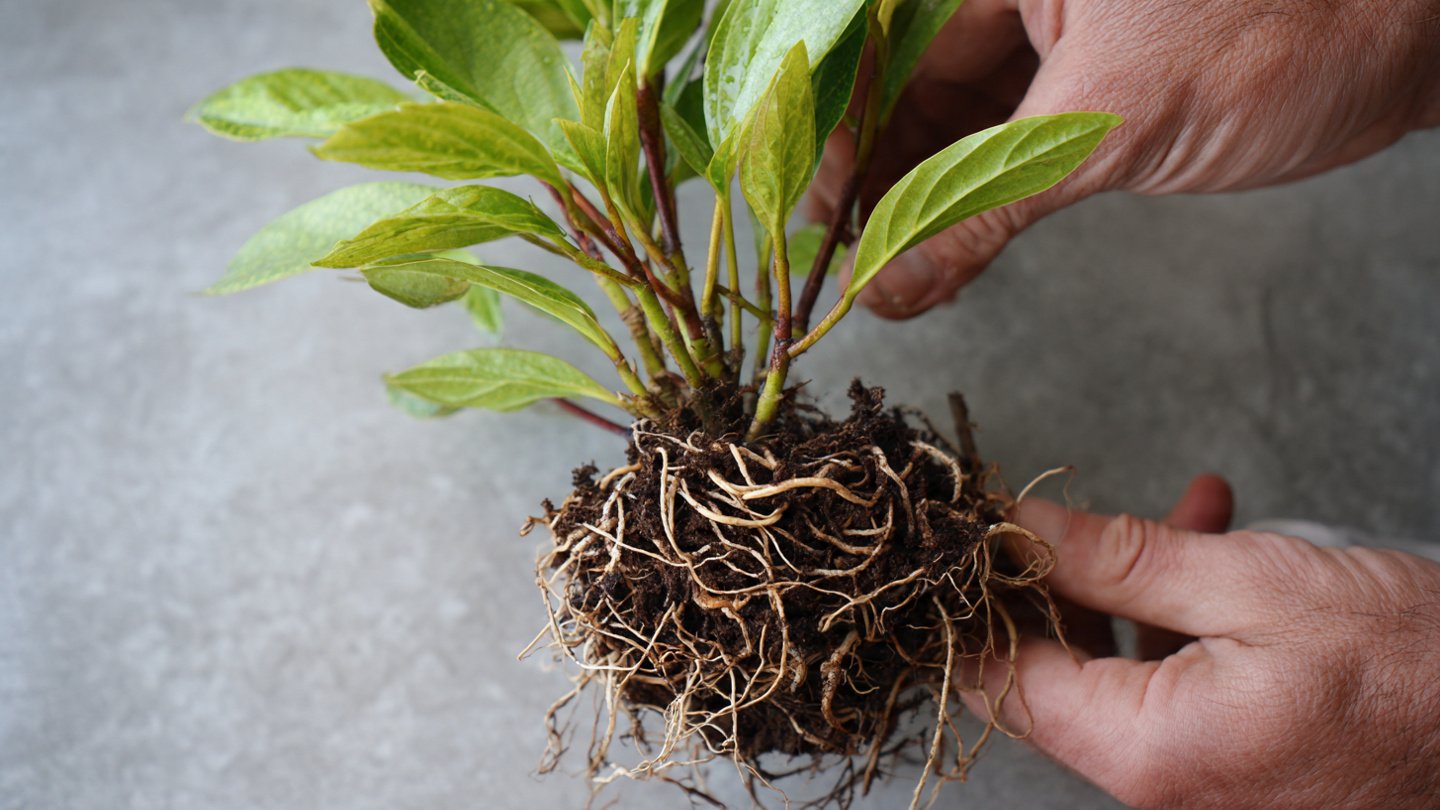
Propagating plants through cuttings is a rewarding way to multiply your favorite plants, but one common challenge is getting roots to form quickly and reliably. Many gardeners struggle with slow rooting, rotting stems, or weak seedlings. The good news is that there’s a simple “speedy root formation hack” that can significantly boost your success rate—and it’s easy to implement at home.
In this guide, we’ll explore why some cuttings root faster than others and share the step-by-step method to help your plants thrive.
Why Cuttings Sometimes Struggle to Root
Before diving into the hack, it helps to understand why cuttings can fail:
- Lack of Rooting Hormones: Roots need chemical signals to initiate growth. Without these signals, cuttings can sit for weeks without producing roots.
- Bacterial or Fungal Infection: Cut ends are highly vulnerable and can rot before roots develop.
- Insufficient Moisture or Oxygen: Roots need a balance of water and air; too much or too little can hinder growth.
- Stress: Cuttings are essentially wounding a plant. Without the right environment, stress can delay or stop root formation.
By addressing these issues, the “speedy root formation hack” creates optimal conditions for rapid rooting.
The Speedy Root Formation Hack
The hack combines natural rooting enhancers, humidity control, and gentle stimulation to trigger roots faster. Here’s how it works:
1. Use a Natural Rooting Agent
While commercial rooting powders are effective, natural alternatives like honey or willow water can stimulate root growth:
- Honey: Acts as a natural antifungal and antibacterial agent, protecting the cutting from rot while providing sugars for energy.
- Willow Water: Soaking a cutting in water from willow branches releases natural auxins—plant hormones that encourage root formation.
How to apply: Dip the cut end of your cutting into honey or soak it in willow water for 10–30 minutes before planting.
2. Choose the Right Cutting
- Select healthy, non-flowering stems for propagation.
- Cut at a 45-degree angle to increase the surface area for root development.
- Remove any lower leaves that will be buried in soil or water to prevent rot.
3. Provide the Ideal Growing Medium
The medium should hold moisture but also allow air to reach the stem:
- Soil-Based Method: Use a light, well-draining mix like peat moss and perlite.
- Water-Based Method: Fill a jar with clean water, ensuring that only the bottom of the cutting is submerged.
Both methods work, but a soil-based medium combined with honey treatment tends to give stronger, more resilient roots.
4. Maintain Humidity
Cuttings root faster in a humid environment, which reduces stress and prevents leaves from drying out:
- Cover the cutting with a clear plastic bag or a propagation dome.
- Ensure the covering doesn’t touch the leaves to avoid mold.
- Mist lightly once or twice a day to keep the air around the cutting moist.
5. Gentle Stimulation
Believe it or not, a little “stress” can accelerate root formation:
- Slightly move the cutting every day to simulate wind or touch. This encourages the plant to strengthen roots for anchorage.
- Avoid overhandling, which can damage the tender stem.
6. Provide Warmth and Light
- Keep cuttings in a warm spot (65–75°F / 18–24°C). Warmth speeds up cellular activity and root initiation.
- Place near bright, indirect light. Direct sunlight can scorch the cutting, while too little light slows growth.
How to Know Your Cutting is Rooting
- Early signs: Swelling at the base of the stem within 1–2 weeks.
- Root tips: Fine, white roots emerging after 2–4 weeks depending on the plant.
- New leaves: Often indicate that the cutting is well-established.
Once roots are strong (usually 2–4 inches long for most plants), you can transplant the cutting into a regular potting mix.
Advantages of This Hack
- Faster Root Development: Natural hormones and moisture control accelerate the rooting process.
- Reduced Risk of Rot: Honey or willow water protect the cutting from infections.
- Improved Survival Rates: Strong, healthy roots make for more resilient plants.
- Easy and Affordable: Uses items you may already have at home, no expensive chemicals required.
Best Plants for This Hack
This technique works for many herbaceous and woody plants:
- Herbs: Basil, rosemary, mint, oregano, and thyme.
- Houseplants: Pothos, philodendron, snake plant, and peace lily.
- Shrubs and Trees: Hibiscus, roses, and fruit trees like papaya or guava.
Tips for Success
- Cut at the Right Time: Morning cuttings often perform better as plants are hydrated.
- Monitor Water: If using water propagation, change the water every 2–3 days to prevent stagnation.
- Be Patient: Some cuttings may take longer to root depending on species.
- Label Cuttings: Keep track of the date planted and the species to monitor progress.
- Avoid Overcrowding: Give each cutting enough space for airflow and growth.