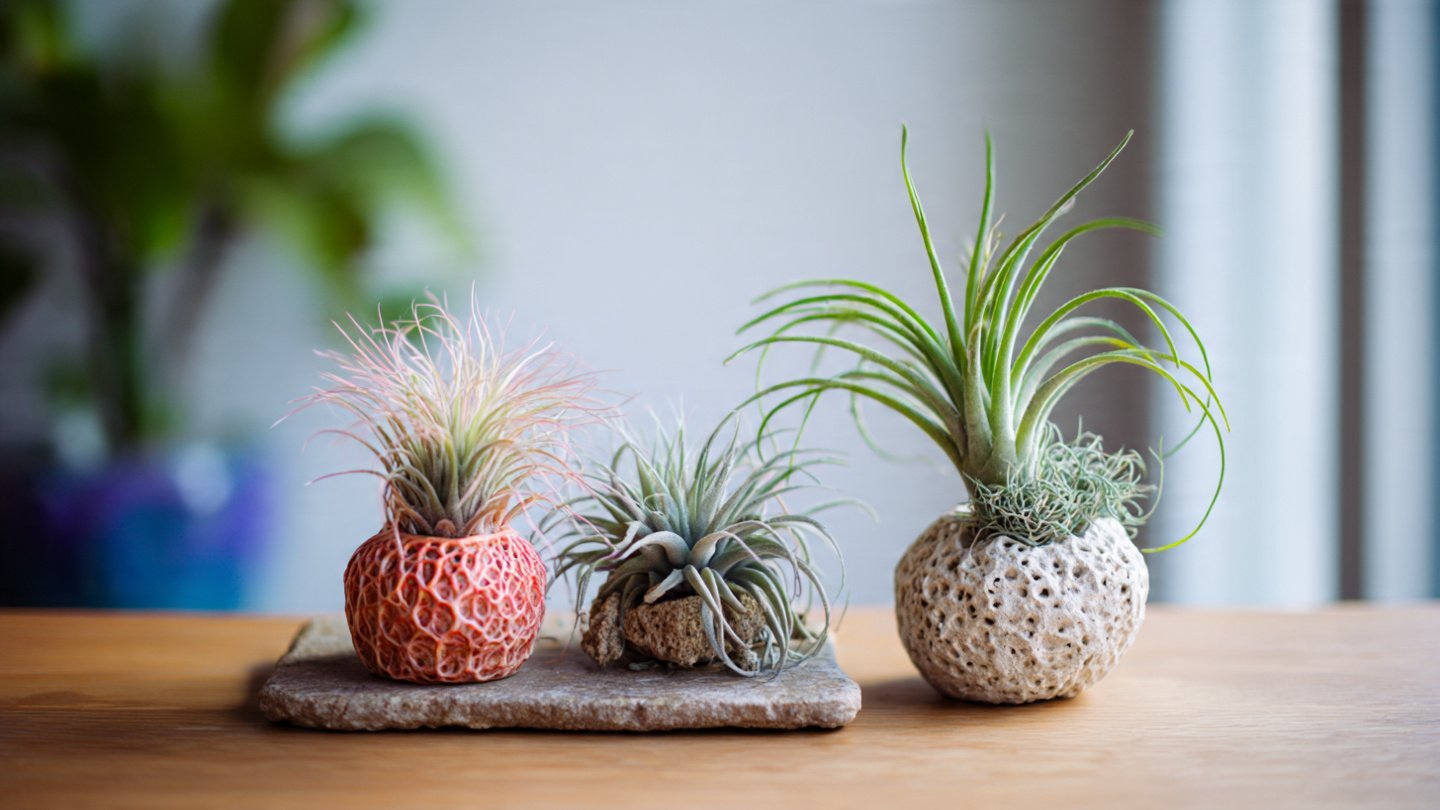
Air plants, scientifically known as Tillandsia, have taken the interior design world by storm. Their unique ability to thrive without soil makes them perfect for creative, eye-catching displays, while their exotic appearance adds a touch of elegance and nature to any space. From minimalist desks to hanging wall gardens, air plants can transform your home, office, or outdoor space with surprisingly simple techniques.
This comprehensive guide will explore how to decorate with air plants, covering display ideas, care tips, creative arrangements, and design inspiration to elevate your surroundings effortlessly.
Why Air Plants Are Perfect for Modern Decor
Air plants offer several unique advantages that make them ideal for decorating any environment:
- No soil required: Reduces mess and allows versatile display options.
- Unique shapes and textures: Dramatic leaves and rosettes provide visual interest.
- Space-saving: Can be mounted, hung, or placed almost anywhere.
- Low maintenance: Requires only occasional misting or soaking.
- Versatile aesthetics: Complements modern, rustic, bohemian, or tropical interiors.
These qualities make air plants an easy way to introduce greenery without the commitment of traditional potted plants.
Understanding Air Plants Before Decorating
To decorate successfully, it’s essential to understand air plants’ basic needs:
- Light: Bright, indirect sunlight is ideal. Direct sunlight can scorch the leaves.
- Water: Mist lightly 2–3 times per week or soak in water for 20–30 minutes weekly.
- Air circulation: Good airflow prevents rot and promotes healthy growth.
- Temperature: Prefer 15–27°C (60–80°F), safe for most indoor environments.
Knowing these needs helps you design displays that keep plants healthy while looking spectacular.
Step 1: Choosing the Right Air Plant Varieties
Air plants come in many shapes, sizes, and textures. Choosing the right variety enhances your design:
- Tillandsia ionantha: Small, colorful, compact, perfect for desks or small containers.
- Tillandsia xerographica: Large, dramatic, and sculptural, ideal as a focal piece.
- Tillandsia caput-medusae: Curly, whimsical leaves, perfect for hanging displays.
- Tillandsia bulbosa: Unique bulb-shaped base with twisting leaves for vertical interest.
Mixing sizes and shapes creates dynamic arrangements that feel natural and engaging.
Step 2: Creative Air Plant Display Ideas
Air plants can be showcased in countless creative ways:
1. Mounted on Driftwood or Rocks
- Attach plants using floral wire or non-toxic glue.
- Place on shelves, tables, or hang as wall art.
- Combines natural textures for a rustic, tropical look.
2. Hanging Terrariums
- Glass globes or geometric containers provide an elegant floating effect.
- Combine with pebbles, moss, or decorative sand.
- Ideal for corner spaces, above desks, or near windows.
3. Tabletop Arrangements
- Use small air plants in shallow bowls or decorative trays.
- Pair with candles or stones for a minimalist centerpiece.
- Great for dining tables, coffee tables, or office desks.
4. Vertical Gardens or Wall Frames
- Attach plants to cork bark, wooden frames, or wire grids.
- Arrange in patterns or randomly for a living wall effect.
- Perfect for modern homes or apartments with limited floor space.
5. Macramé Hangers
- Combine air plants with rope, beads, or shells.
- Hang at varying heights for depth and interest.
- Adds a boho-chic touch to any room.
Step 3: Combining Air Plants with Other Elements
Air plants look striking when paired with complementary materials:
- Rocks, pebbles, or driftwood: Adds texture and stability.
- Glass or acrylic containers: Modern, clean aesthetic.
- Moss and soil-free fillers: Softens the display, adds natural color.
- Shells or coral: Ideal for coastal-themed interiors.
- Candles or LED lights: Creates ambient lighting and highlights plants at night.
Experimenting with combinations lets you match air plants to any interior theme.
Step 4: Proper Care in Decorative Displays
Air plants are low-maintenance but still require attention to thrive:
Watering:
- Mist smaller varieties 2–3 times per week.
- Soak larger plants in water for 20–30 minutes weekly.
- Shake off excess water to prevent rot, especially in enclosed displays.
Lighting:
- Bright, indirect light is ideal.
- Rotate displays occasionally for even growth.
Airflow:
- Avoid sealed containers without ventilation.
- Ensure plants dry within 4 hours of watering.
Step 5: Seasonal Styling and Rotation
Air plants can refresh your space seasonally:
- Spring/Summer: Add bright, colorful accents like shells or vibrant stones.
- Autumn: Combine with dried leaves, pinecones, or warm tones.
- Winter: Place near candles or fairy lights for a cozy effect.
Seasonal rotation keeps your displays exciting and visually appealing year-round.
Step 6: Using Air Plants to Transform Specific Spaces
Air plants are versatile enough to enhance almost any room:
Living Room:
- Hang glass globes in front of windows for natural light and elegance.
- Mount on driftwood as a wall feature for a tropical feel.
Bedroom:
- Place small trays of air plants on nightstands or dressers.
- Add moss or decorative stones for a calming, spa-like ambiance.
Kitchen:
- Attach to hooks or magnetic boards near windows.
- Combine with herbs for a functional yet aesthetic display.
Office:
- Desk terrariums or small mounted air plants brighten workspaces.
- Air plants require minimal care while improving visual appeal and mood.
Step 7: Safety Tips and Considerations
Air plants are generally non-toxic, but proper handling ensures longevity:
- Avoid overwatering, especially in enclosed containers.
- Keep away from small children or pets who may ingest decorative elements like stones.
- Ensure displays are secure to prevent falls or breakage.
Safe placement keeps both plants and people happy.
DIY Projects for Air Plant Decor
Creative DIY projects make decorating fun and personalized:
- Wall-mounted air plant gardens: Use driftwood or wooden boards for a custom living wall.
- Hanging glass orbs: Paint or etch designs on globes for artistic flair.
- Terrarium kits: Combine air plants, stones, and moss in geometric containers.
- Mini tabletop forests: Group multiple air plants with driftwood and pebbles for a natural centerpiece.
DIY projects allow you to customize shapes, sizes, and styles according to your space.
Benefits of Decorating with Air Plants
Decorating with air plants offers more than just aesthetics:
- Adds natural greenery to improve mental well-being.
- Encourages mindfulness and creativity through DIY arrangements.
- Reduces reliance on high-maintenance plants.
- Enhances interior design with minimal effort.
- Provides flexible, mobile greenery for renters or seasonal decoration.
Air plants are both functional and beautiful, making them ideal for modern lifestyles.
Final Thoughts
Air plants are a magical way to transform your space without complicated methods or heavy maintenance. Their unique ability to grow without soil, combined with their sculptural shapes and textures, makes them perfect for creative displays. From hanging terrariums and wall-mounted gardens to tabletop arrangements and macramé hangers, the possibilities are endless.
By choosing the right varieties, providing proper light and water, and experimenting with materials and placements, you can elevate any space into a lush, stylish environment. Air plants bring life, texture, and a sense of tranquility, turning even the simplest corners into visual masterpieces. 🌿✨
With a little imagination, air plants can help you create a home that’s not only beautiful but also alive with nature’s elegance.