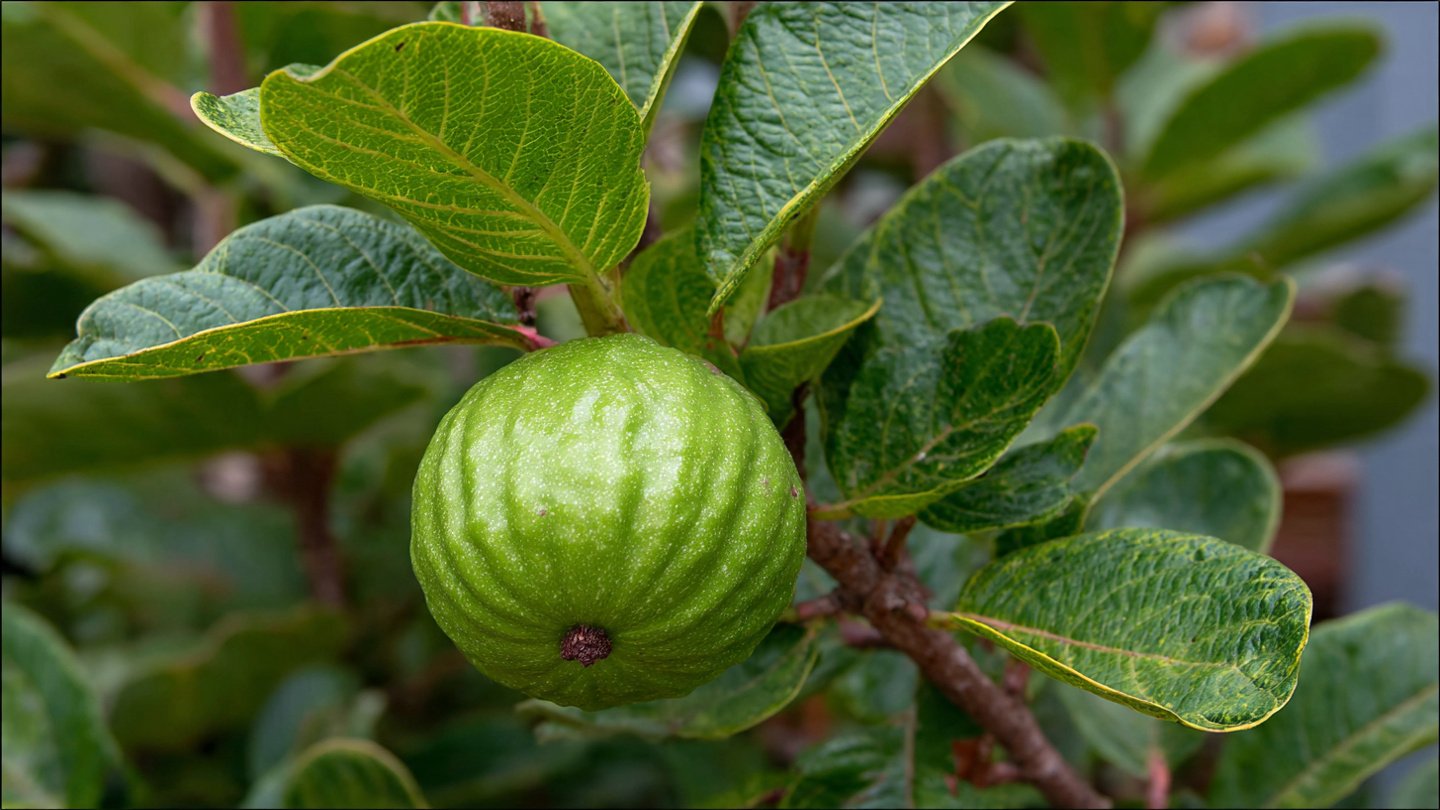
Guava (Psidium guajava) is a tropical fruit tree beloved for its delicious, vitamin-rich fruits and aromatic foliage. While guava trees can grow quite tall in the wild, transforming them into a dwarf, compact form makes them ideal for small gardens, patios, or container cultivation. Training a guava plant into a dwarf tree not only saves space but also makes harvesting easier, encourages more flowering and fruiting, and creates a visually appealing ornamental plant. In this guide, we’ll explore step-by-step methods, pruning techniques, and care tips to develop a lush, compact guava tree for your home garden.
Why Train a Guava Plant Into Dwarf Form
There are several reasons gardeners choose to grow guava as a dwarf tree:
- Space Efficiency: Perfect for small gardens, terraces, or container gardening.
- Ease of Harvesting: Compact trees make fruit collection easier without ladders.
- Ornamental Value: A well-shaped guava tree adds structure and beauty to your garden.
- Better Fruit Production: Regular pruning and dwarfing encourage more flowers and fruits.
- Manageable Growth: Dwarf guavas require less maintenance than full-sized trees.
With proper training, a dwarf guava can thrive in a small area while still producing abundant, high-quality fruits.
Choosing the Right Guava Variety
Not all guava varieties are ideal for dwarfing. Select varieties that respond well to pruning and container growth:
- Allahabad Safeda: Popular Indian variety with sweet, soft-fleshed fruits.
- Lucknow 49 (Chittidar): Compact growth and high fruit yield.
- Tropical White Guava: Suited for containers and small spaces.
- Red Malaysian Guava: Produces medium-sized fruits and adapts well to pruning.
Dwarf or semi-dwarf varieties naturally lend themselves to shaping and are easier to maintain in a compact form.
Step 1: Start With a Healthy Young Plant
The best time to start training a guava plant is when it’s young:
- Seedlings or Saplings: Begin with a 6–12 month-old plant that has established roots.
- Container Plants: Using pots gives you better control over growth and makes pruning easier.
- Strong Root System: Choose a plant with healthy roots and no signs of disease.
Young plants adapt more readily to pruning and shaping, making it easier to create a dwarf form.
Step 2: Select the Main Stem and Shape
Before pruning, decide on the desired tree shape:
- Single-Stemmed Tree: One central trunk with evenly spaced branches.
- Multi-Stemmed Bush: Several stems from the base, creating a fuller canopy.
For a compact garden, a single-stemmed dwarf tree is usually preferred.
Tip: Select the strongest, straight stem as the main trunk and remove weaker competing stems.
Step 3: Prune to Encourage a Dwarf Form
Pruning is the key to training guava into a dwarf tree:
- Initial Pruning: Cut the central stem to 2–3 feet tall once the plant has 5–6 healthy branches.
- Lateral Branches: Trim side shoots to encourage outward growth rather than vertical dominance.
- Remove Weak or Crowded Branches: This improves air circulation and sunlight penetration.
- Pinching New Growth: Pinch back tips of young shoots to promote bushier growth.
Regular pruning shapes the tree, maintains its compact size, and encourages flowering and fruiting.
Step 4: Use a Container or Raised Bed
Training a guava plant in a container or raised bed helps control growth and maintain a dwarf form:
- Pot Size: Use a large container (18–24 inches in diameter) with drainage holes.
- Soil Mix: Well-draining soil with compost, garden soil, and sand in a 2:1:1 ratio.
- Root Control: Limiting root growth naturally keeps the plant smaller while maintaining fruit production.
- Mobility: Containers allow you to move the plant to sunnier spots or protect it during cold weather.
Growing in containers makes the tree easier to prune and manage while adding decorative appeal to your garden.
Step 5: Provide Proper Sunlight
Guava trees need full sun for healthy growth and abundant fruiting:
- Daily Exposure: At least 6–8 hours of sunlight per day.
- Light Management: Rotate container-grown plants periodically to ensure even light distribution.
- Pruning for Light: Open the canopy during pruning to allow sunlight to reach inner branches.
Sunlight encourages flowering, fruit set, and strong leaf growth, making your dwarf guava tree more productive.
Step 6: Water and Fertilize Appropriately
Adequate watering and nutrition are essential for a compact guava tree:
- Watering: Keep the soil moist but not waterlogged. Water more frequently in hot weather and reduce in cooler months.
- Fertilization: Use a balanced fertilizer (NPK 10:10:10) every 6–8 weeks during the growing season.
- Organic Options: Compost, manure, or vermicompost improves soil health and promotes lush growth.
- Micronutrients: Occasionally supplement with magnesium and iron to prevent yellowing leaves.
Proper care ensures that your dwarf guava tree grows healthy leaves, flowers, and fruits.
Step 7: Support Young Branches
Young guava branches can bend or break under fruit weight:
- Staking: Use bamboo stakes or plant supports to help branches grow upright.
- Tie Gently: Soft plant ties or cloth strips prevent damage while supporting structure.
- Remove Stakes Gradually: Once the branches are strong, remove support to allow natural growth.
Supporting branches encourages proper shape and prevents damage that could stunt growth.
Step 8: Encourage Flowering and Fruiting
Dwarf guava trees can produce fruit earlier than full-sized trees with proper care:
- Pruning for Fruit: Trim old, non-productive branches to stimulate new growth and flowering.
- Flower Induction: Light stress (slightly reducing water for a few days) can trigger flowering in young trees.
- Pollination: Guava is self-pollinating but can benefit from bees or gentle hand-pollination for better fruit set.
- Consistent Care: Regular watering, sunlight, and fertilization promote healthy flower and fruit production.
A well-trained dwarf guava can start producing fruits within 1–2 years, depending on variety and care.
Step 9: Pest and Disease Management
Even dwarf guavas require monitoring for common pests and diseases:
- Fruit Flies: Prevent by bagging fruits or using organic traps.
- Aphids and Mealybugs: Spray neem oil or insecticidal soap to control infestations.
- Fungal Diseases: Avoid overwatering and ensure good air circulation to prevent root rot or leaf spots.
- Regular Inspection: Check leaves and branches weekly to catch issues early.
Healthy plants are more likely to maintain their compact size and produce abundant fruits.
Additional Tips for a Beautiful Compact Guava Tree
- Top-Dressing: Apply compost or organic mulch around the base to retain moisture and improve soil fertility.
- Regular Pruning: Keep removing shoots that threaten the dwarf shape to maintain a neat canopy.
- Pinching Flowers: For first-year plants, removing early flowers can strengthen the tree for future production.
- Container Rotation: Move potted trees periodically for even sunlight exposure and growth symmetry.
- Aesthetic Arrangement: Combine with ornamental plants or flowering shrubs for a beautiful compact garden design.
These tips help maintain a visually appealing dwarf guava tree that is productive and easy to manage.
Conclusion
Training a guava plant into a dwarf tree form is a rewarding gardening project that combines aesthetics with productivity. By selecting the right variety, starting with a healthy young plant, pruning regularly, controlling growth in containers or raised beds, and providing proper sunlight, water, and nutrition, you can create a compact, beautiful guava tree that thrives in small spaces. Supporting branches, encouraging flowering, and managing pests ensure consistent fruit production while keeping the tree neat and ornamental.
With patience and consistent care, a dwarf guava tree can transform your garden into a lush, tropical oasis, offering delicious fruits, decorative appeal, and an easy-to-maintain structure. Whether for personal enjoyment or as a centerpiece in your garden, a compact guava tree is both practical and visually striking, bringing the joys of homegrown tropical fruits right to your doorstep.