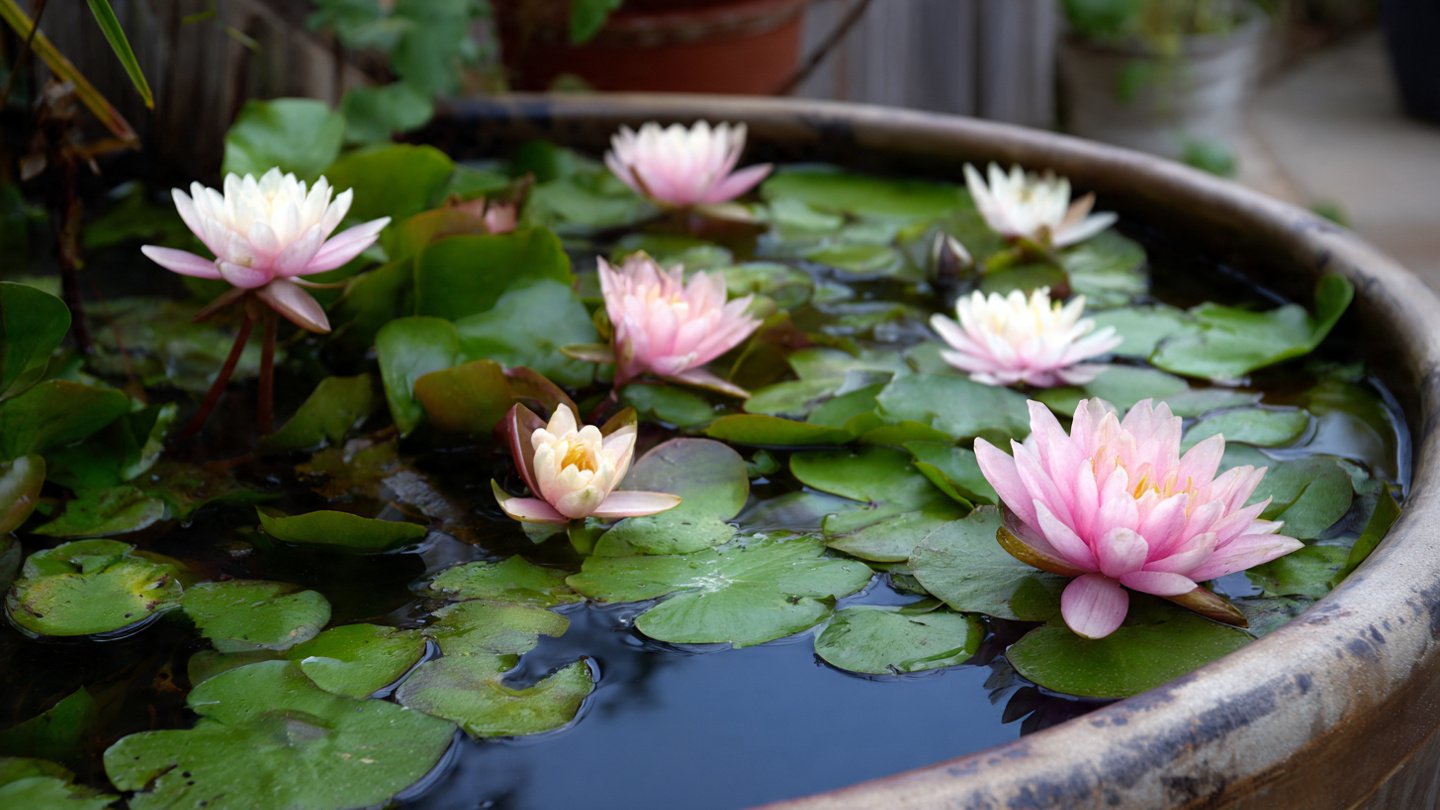
Water lilies have an almost mythical ability to transform any space. Their floating leaves, elegant blooms, and calming presence instantly turn patios, balconies, courtyards, and gardens into serene retreats. The good news? You don’t need a large pond or professional landscaping to enjoy them. Water lilies thrive beautifully in containers, making them accessible to gardeners of all skill levels.
If you’ve ever admired water lilies but felt they were too complicated, this guide will walk you through everything you need to know—from choosing the right container to keeping your lilies blooming all season long.
Why Grow Water Lilies in Containers?
Container-grown water lilies offer flexibility, beauty, and surprisingly easy care. They’re ideal for small spaces and can be moved, redesigned, or refreshed whenever inspiration strikes.
Benefits of container water lilies include:
- Perfect for patios, balconies, decks, and small gardens
- No digging or permanent pond required
- Easier to control growth and water quality
- Fewer pests compared to open ponds
- Stunning focal point for outdoor décor
With the right setup, container water lilies can look just as lush and dramatic as pond-grown varieties.
Choosing the Right Water Lily Variety
Not all water lilies are suitable for containers. The key is selecting varieties bred for smaller spaces.
Best Types for Containers
- Dwarf water lilies – Ideal for small pots and shallow containers
- Miniature water lilies – Perfect for tabletop water gardens
- Compact hardy water lilies – Excellent for seasonal outdoor displays
Popular container-friendly varieties include Helvola, Pygmaea Rubra, and Laydekeri Lilacea. These stay manageable while still producing abundant blooms.
👉 Avoid large or aggressive varieties, as they can quickly outgrow containers and crowd out space.
Selecting the Perfect Container
Your container acts as both home and stage for your water lily, so size and material matter.
Ideal Container Features
- Width over depth: 18–24 inches wide is ideal
- Depth: 10–18 inches for dwarf and medium lilies
- Material: Plastic, ceramic, fiberglass, or sealed concrete
- Color: Dark interiors help reduce algae growth
Make sure the container has no drainage holes. Water lilies need a fully sealed environment to thrive.
Soil Matters: What to Use (and Avoid)
Water lilies don’t like regular potting soil. Lightweight mixes float and cloud the water.
Best Soil for Water Lilies
- Heavy garden loam
- Clay-based soil
- Specialized aquatic planting soil
Avoid: peat, compost, or standard potting mixes—they break apart in water.
Pack the soil firmly into the container to prevent it from dispersing once submerged.
Planting Water Lilies Step by Step
Planting water lilies is easier than it looks. Follow these steps for success:
- Fill the container halfway with aquatic soil
- Place the rhizome at a slight angle, with the growing tip facing upward
- Cover gently with soil, leaving the crown exposed
- Add a thin layer of gravel to anchor the soil
- Slowly fill the container with water to avoid disturbing the planting
Place the container in its final sunny location immediately after planting.
Sunlight Requirements: The Key to Blooming
Water lilies are sun lovers. Without enough light, you’ll get leaves—but few or no flowers.
Sunlight Guidelines
- Minimum: 6 hours of direct sunlight daily
- Ideal: 8 hours for maximum blooming
- Morning sun is especially beneficial
If your space is partially shaded, choose dwarf or shade-tolerant varieties and expect fewer blooms.
Water Quality and Maintenance Tips
Container water gardens are easier to manage than ponds, but they still need occasional care.
Keep Water Clean By:
- Topping up evaporated water with dechlorinated or rainwater
- Removing yellowing leaves and spent blooms weekly
- Avoiding overfeeding fish (if added)
Algae blooms are normal early on. As lily leaves expand and shade the water, algae usually decreases naturally.
Fertilizing for Healthy Growth
Unlike pond lilies, container-grown water lilies rely entirely on you for nutrients.
Best Fertilization Practices
- Use aquatic plant fertilizer tablets
- Push tablets deep into the soil near the roots
- Feed every 3–4 weeks during the growing season
Never use liquid or general-purpose fertilizers—they cloud water and encourage algae.
Seasonal Care and Overwintering
In Warm Climates
Water lilies can stay outdoors year-round as long as water doesn’t freeze.
In Cold Climates
- Move containers to a frost-free location (garage or basement)
- Keep water above freezing
- Alternatively, treat lilies as annuals and replant in spring
Hardy varieties survive cold better than tropical ones, making them ideal for beginners.
Common Problems and Easy Fixes
Even low-maintenance plants have occasional hiccups.
Yellow leaves?
→ Likely nutrient deficiency or old foliage—trim and fertilize.
No flowers?
→ Usually insufficient sunlight or overcrowding.
Cloudy water?
→ Too much organic matter or disturbed soil—allow time to settle.
Pests on leaves?
→ Rinse gently with water or remove affected leaves.
Most issues resolve quickly once conditions are adjusted.
Creative Styling Ideas for Stunning Displays
Water lilies are as decorative as they are soothing. Elevate their impact with creative placement.
Design Ideas
- Pair with floating plants like water lettuce
- Surround containers with stones or lanterns
- Use shallow bowls for tabletop water gardens
- Create a cluster of containers at different heights
Even a single blooming lily can become a breathtaking focal point.
Final Thoughts
Growing water lilies in containers is one of the most rewarding ways to add elegance, tranquility, and natural beauty to your outdoor space. With the right variety, proper sunlight, and simple care routine, these iconic plants flourish effortlessly—even in the smallest gardens.
Whether you’re designing a peaceful patio retreat or adding a touch of luxury to your balcony, container-grown water lilies prove that stunning water gardens don’t need ponds—just a little planning and a lot of sunshine