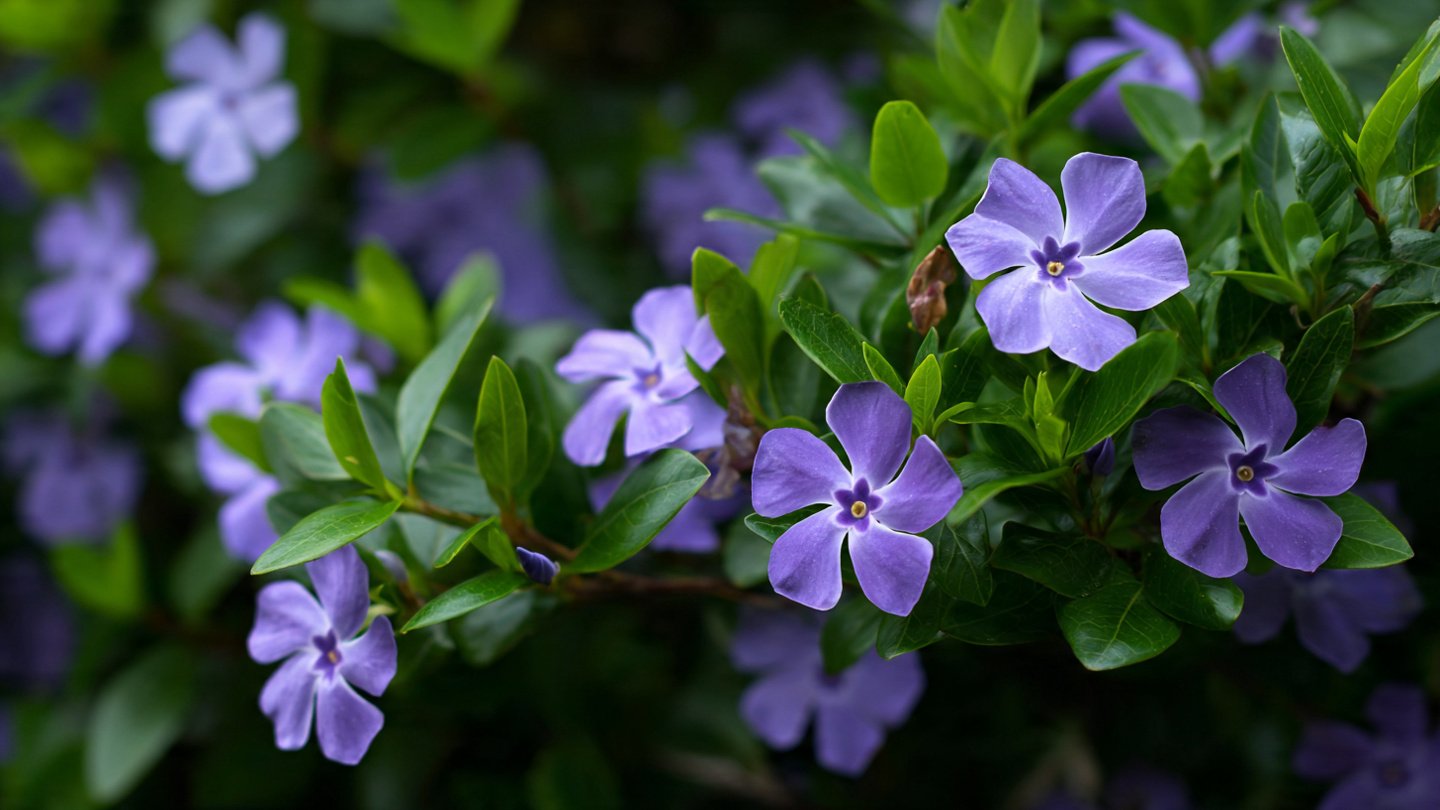
Periwinkle (Catharanthus roseus), also known as Madagascar periwinkle, is a stunning flowering plant celebrated for its vibrant blooms, low-maintenance nature, and ability to thrive in various climates. With the right care and attention, periwinkle can provide continuous flowering throughout the growing season, brightening gardens, borders, and containers alike. Its striking flowers, ranging from white and pink to deep violet, make it a favorite for both beginner and seasoned gardeners.
This guide will walk you through effective strategies to cultivate periwinkle successfully, including planting techniques, soil preparation, watering, pruning, fertilization, pest management, and seasonal care to achieve continuous blooms.
Understanding Periwinkle and Its Growth Habits
Periwinkle is a tropical annual (or perennial in frost-free regions) that flourishes in warm climates. Key characteristics include:
- Growth Habit: Low-spreading, bushy plants reaching 12–18 inches tall.
- Blooming: Produces vibrant flowers continuously when provided adequate care.
- Sunlight Preference: Thrives in full sun but tolerates partial shade.
- Soil Requirement: Well-draining soil rich in organic matter.
- Drought Tolerance: Once established, moderately drought-tolerant, though consistent moisture promotes flowering.
Understanding these basic traits is crucial to maximizing periwinkle’s flowering potential.
Step 1: Selecting the Right Variety
Periwinkle comes in several varieties, each with unique characteristics:
- ‘Rosea’ – Classic pink flowers with robust growth.
- ‘Alba’ – Pure white flowers ideal for contrast in flower beds.
- ‘Pacifica’ Series – Compact, hybrid varieties suitable for containers.
- ‘Titan’ Series – Large, vibrant blooms with extended flowering periods.
For continuous flowering, choose hybrid or dwarf varieties that are bred for prolonged bloom cycles and strong disease resistance.
Step 2: Choosing the Perfect Planting Site
Periwinkle performs best when planted in a location that meets its sunlight and drainage needs:
- Full Sun Exposure: At least 6–8 hours of sunlight per day to encourage prolific flowering.
- Well-Draining Soil: Avoid areas prone to waterlogging, which can lead to root rot.
- Air Circulation: Space plants 12–18 inches apart to allow airflow, reducing disease risk.
Selecting the right location lays the foundation for healthy growth and continuous blooms.
Step 3: Preparing the Soil
Healthy soil is essential for periwinkle’s growth and extended flowering period:
- Soil Type: Loamy, sandy, or slightly acidic soils with good drainage.
- Amendments: Mix compost or well-rotted manure into the soil to enhance fertility and moisture retention.
- pH Preference: Slightly acidic to neutral (pH 6.0–7.0) supports nutrient uptake.
- Raised Beds: In areas with poor drainage, consider raised beds or containers to prevent waterlogging.
Proper soil preparation ensures that periwinkle can absorb nutrients efficiently, supporting long-lasting blooms.
Step 4: Planting Techniques
Whether starting from seeds or young plants, proper planting is crucial:
- Seedlings: Sow seeds indoors 6–8 weeks before the last frost date. Transplant seedlings after frost risk passes.
- Spacing: Space plants 12–18 inches apart to allow room for growth and airflow.
- Depth: Plant at the same depth as in the nursery pot, firming the soil gently around the base.
- Watering After Planting: Water thoroughly to help roots settle but avoid waterlogging.
Correct planting ensures strong root systems, which support continuous flowering.
Step 5: Watering for Continuous Flowering
While periwinkle is drought-tolerant, consistent moisture encourages more blooms:
- Deep, Infrequent Watering: Water thoroughly but let the soil dry slightly between watering.
- Avoid Overwatering: Excessive moisture can cause root rot and fungal diseases.
- Mulching: Apply a 2-inch layer of mulch around plants to retain moisture, regulate soil temperature, and reduce weeds.
Maintaining the right watering balance is key to vibrant, long-lasting flowers.
Step 6: Fertilization for Blooming
Regular fertilization promotes vigorous growth and continuous flowering:
- Balanced Fertilizer: Use a water-soluble fertilizer with equal NPK ratios (10-10-10) every 4–6 weeks during the growing season.
- Flower-Boosting Fertilizer: Once the plants are established, apply a bloom-enhancing fertilizer higher in phosphorus (e.g., 10-20-10) to stimulate flowering.
- Avoid Excess Nitrogen: Too much nitrogen encourages foliage growth at the expense of flowers.
With consistent feeding, periwinkle maintains a robust and colorful display throughout the season.
Step 7: Pruning and Deadheading
Pruning and deadheading are essential to prolong bloom periods:
- Deadheading: Remove spent flowers regularly to encourage new blooms.
- Light Pruning: Trim overgrown stems to maintain shape and stimulate branching.
- Pinching Tips: Pinching back growing tips early in the season promotes bushier plants and more flowering sites.
Regular pruning keeps the plant compact, healthy, and continuously blooming.
Step 8: Managing Pests and Diseases
Periwinkle is generally hardy, but certain pests and diseases can hinder flowering:
- Common Pests: Aphids, spider mites, whiteflies, and mealybugs. Inspect plants weekly.
- Diseases: Root rot, leaf spot, and fungal infections occur if the soil is too wet or airflow is poor.
- Preventive Measures:
- Ensure proper spacing and good air circulation.
- Avoid overhead watering; water at the base.
- Apply neem oil or insecticidal soap to control minor infestations.
Healthy plants are more likely to flower continuously and resist environmental stressors.
Step 9: Seasonal Care
Periwinkle requires attention throughout the season to maintain flowering:
- Spring: Prepare soil, plant seedlings, and begin light fertilization.
- Summer: Maintain watering, deadhead spent blooms, and monitor for pests.
- Autumn: In frost-prone areas, harvest seeds from mature plants or take cuttings for next season.
- Winter: In warmer climates, periwinkle may continue blooming. In colder regions, treat as an annual or bring container plants indoors.
Seasonal care ensures that plants remain healthy and productive throughout their growing period.
Step 10: Propagation for Continuous Flowering
Propagation allows you to expand your periwinkle collection and maintain flowering continuity:
- Stem Cuttings: Take 4–6 inch cuttings, remove lower leaves, and root in moist soil or water.
- Seed Propagation: Collect seeds from mature plants and sow indoors or in greenhouses for early blooms.
- Division: For clumping varieties, divide plants carefully to create new flowering plants.
Propagation ensures you always have healthy plants ready to bloom and maintain a continuous display.
Additional Tips for Maximum Flowering
- Ensure Full Sun or Bright Indirect Light: Even though periwinkle tolerates partial shade, full sun promotes longer flowering.
- Mulch Regularly: Helps maintain consistent moisture and suppresses weeds.
- Rotate Container Plants: If grown in pots, rotate to ensure even light distribution.
- Use Flower-Enhancing Fertilizer: High-phosphorus fertilizers boost bloom production.
- Avoid Stress: Sudden temperature fluctuations, drought, or overwatering can halt flowering.
Implementing these tips ensures that your periwinkle plants remain vibrant, healthy, and flowering continuously.
Benefits of Growing Periwinkle
- Long Blooming Season: Continuous flowers brighten gardens and containers for months.
- Low Maintenance: Tolerates heat, drought, and varied soil types.
- Attractive Foliage: Glossy green leaves complement colorful blooms.
- Versatile: Ideal for garden beds, borders, hanging baskets, and container gardens.
- Medicinal Uses: Traditional medicine uses periwinkle extracts for various purposes, although ornamental use is most common.
Periwinkle combines aesthetic appeal with ease of care, making it a favorite for gardeners seeking reliable, continuous blooms.
Common Mistakes to Avoid
- Overwatering: Leads to root rot and reduced flowering.
- Excess Nitrogen Fertilization: Produces more foliage but fewer blooms.
- Neglecting Deadheading: Spent flowers reduce overall bloom production.
- Planting in Poorly Drained Soil: Causes root disease and weak growth.
- Ignoring Pests: Infestations can reduce plant vigor and flowering potential.
Avoiding these mistakes ensures maximum flowering and plant health.
Conclusion
Periwinkle is an outstanding choice for gardeners seeking continuous flowering with minimal fuss. By carefully selecting varieties, preparing well-draining soil, providing adequate sunlight, watering appropriately, fertilizing strategically, and practicing regular pruning and pest management, periwinkle can brighten your garden or containers throughout the growing season.
With attention to seasonal care, propagation, and maintenance, periwinkle not only offers vibrant, long-lasting flowers but also adds a touch of tropical elegance to any landscape. By implementing these best practices, gardeners can enjoy a steady, colorful display of periwinkle blooms from early summer until the first frost, ensuring a beautiful, thriving garden all season long.