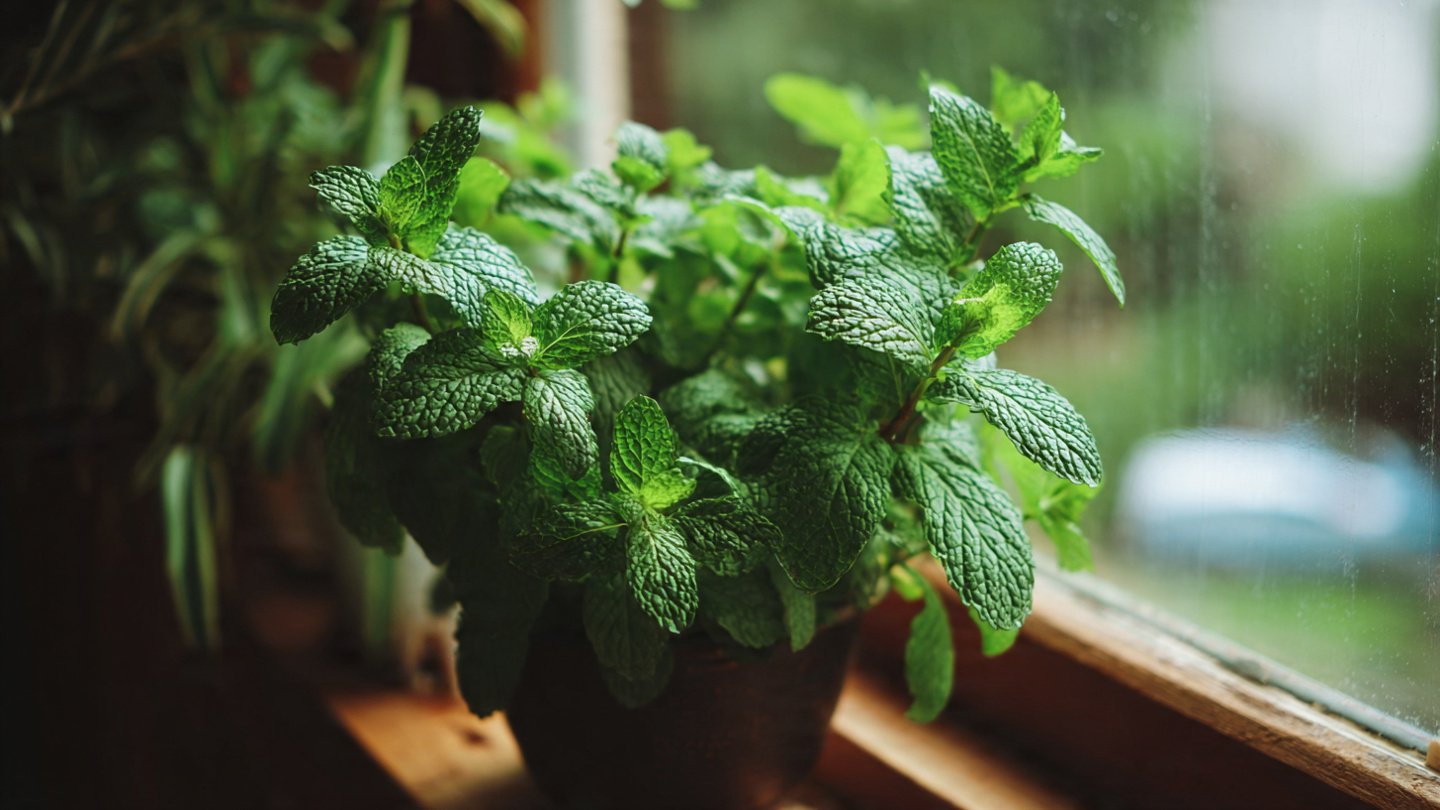
Mint is one of the most versatile and fragrant herbs you can grow at home. Known for its refreshing aroma, culinary uses, and health benefits, mint is a must-have for any gardener, whether you have a large backyard or a small windowsill. With proper care, mint can be grown both indoors and outdoors, providing year-round freshness for teas, salads, sauces, desserts, and natural remedies. This guide provides a comprehensive approach to growing mint successfully, covering everything from soil preparation to harvesting.
Why Grow Mint at Home?
Growing your own mint comes with several advantages:
- Freshness and flavor: Homegrown mint is far more aromatic and flavorful than store-bought leaves.
- Cost-effective: Purchasing fresh mint frequently can be expensive; growing your own saves money.
- Easy to grow: Mint is hardy and adaptable, perfect for beginners and experienced gardeners alike.
- Medicinal benefits: Mint helps with digestion, relieves headaches, and can be used in teas for respiratory health.
- Pest deterrent: Mint’s strong aroma naturally repels pests like mosquitoes and ants.
With its multiple uses and minimal requirements, mint is ideal for both indoor and outdoor gardening.
Understanding Mint Growth
Mint is a fast-growing perennial herb with a spreading root system known as rhizomes. Key characteristics include:
- Botanical name: Mentha spp.
- Growth habit: Creeping and spreading via rhizomes; forms dense patches.
- Leaves: Aromatic, bright green, sometimes variegated depending on the variety.
- Light requirement: Full sun to partial shade.
- Water requirement: Moderate; prefers moist soil.
Because mint spreads rapidly, controlling its growth is important, especially in outdoor gardens.
Choosing the Right Mint Variety
Several mint varieties are popular for home gardening:
- Spearmint (Mentha spicata): Classic, mild flavor; great for culinary use.
- Peppermint (Mentha × piperita): Strong aroma and flavor; commonly used in teas and essential oils.
- Chocolate mint: Slight chocolate flavor; excellent for desserts.
- Apple mint: Sweet, fruity aroma; great for drinks and salads.
Select a variety based on culinary preference and growth habits, especially if planting in small containers.
Growing Mint Outdoors
Outdoor mint thrives in sunny to partially shaded areas. Here’s how to grow it successfully:
1. Preparing the Soil
- Mint prefers rich, well-draining soil with a pH of 6.0–7.0.
- Incorporate compost or aged manure to enhance fertility.
- Avoid heavy clay soil, which retains too much water and can cause root rot.
2. Planting
- Space mint 12–18 inches apart to allow room for spreading.
- Plant cuttings or small nursery plants, ensuring roots are well-covered with soil.
- Water immediately after planting to settle the soil.
3. Controlling Spread
Mint spreads aggressively outdoors, so consider:
- Planting in containers sunk into the soil to restrict roots.
- Using barriers such as edging to prevent rhizomes from overtaking garden beds.
- Regularly harvesting stems to reduce unchecked growth.
4. Watering and Mulching
- Water mint regularly, keeping soil consistently moist but not soggy.
- Apply organic mulch to retain moisture and suppress weeds.
Proper care ensures healthy, bushy growth and year-round leaf production.
Growing Mint Indoors
Indoor mint is ideal for those with limited space or in colder climates.
1. Selecting the Container
- Use a 6–8 inch pot for a single plant; larger pots work well for multiple varieties.
- Ensure drainage holes to prevent root rot.
- Consider self-watering containers for consistent moisture.
2. Soil Mix
- Use light, well-draining potting mix, enriched with compost.
- Add perlite or sand to improve aeration and drainage.
3. Light Requirements
- Place mint near south or west-facing windows for 6–8 hours of indirect sunlight daily.
- In low-light areas, use grow lights for 8–10 hours per day.
4. Watering
- Keep soil consistently moist; check the top inch and water when dry.
- Avoid overwatering, which can cause yellowing leaves or root rot.
5. Fertilizing
- Feed indoor mint with liquid organic fertilizer every 4–6 weeks during the growing season.
- Avoid high nitrogen fertilizers, which encourage excessive leaf growth at the expense of flavor.
Propagation Techniques
Mint is easy to propagate, allowing you to expand your indoor or outdoor garden:
1. Stem Cuttings
- Take 4–6 inch cuttings from a healthy plant.
- Remove lower leaves and place cuttings in water or moist soil.
- Roots develop in 1–2 weeks; transplant to pots or garden beds.
2. Division
- Dig up an established plant and separate the root clumps.
- Replant in new locations or containers to encourage bushier growth.
Propagation ensures continuous supply and makes mint almost self-renewing.
Harvesting Mint
Harvesting correctly promotes healthy regrowth:
- Start harvesting once the plant reaches 6–8 inches tall.
- Pinch or cut stems just above a pair of leaves to encourage branching.
- Regular harvesting prevents flowering, which can reduce leaf flavor.
- Use fresh or dry leaves for teas, culinary dishes, and natural remedies.
Consistent harvesting ensures full, healthy plants year-round.
Preventing Common Issues
While mint is hardy, some issues can affect indoor and outdoor growth:
1. Yellowing Leaves
- Caused by overwatering, poor drainage, or nutrient deficiencies.
- Ensure proper soil, moderate watering, and occasional feeding.
2. Flowering
- Flowering reduces leaf production; pinch off buds to maintain leaf growth.
3. Pests
- Aphids, spider mites, and whiteflies can occasionally infest mint.
- Spray with soapy water or neem oil, and maintain proper airflow.
4. Leggy Growth
- Mint can become leggy if light is insufficient.
- Trim stems regularly and rotate pots to encourage dense foliage.
By addressing these issues promptly, your mint will remain healthy and productive.
Tips for Year-Round Freshness
- Indoor/outdoor rotation: Move pots outdoors in spring and summer; bring indoors in winter.
- Regular trimming: Promotes bushy growth and prevents legginess.
- Use companion planting outdoors: Plant mint near tomatoes or cabbage to deter pests naturally.
- Consistent watering: Especially for indoor plants, avoid letting soil dry out completely.
- Light supplementation: Use grow lights in winter for indoor mint to maintain vigor.
Following these tips ensures a steady supply of fresh, aromatic mint throughout the year.
Culinary and Medicinal Uses
Homegrown mint can be used in countless ways:
- Culinary: Salads, sauces, desserts, cocktails, and marinades.
- Beverages: Mint tea, lemonade, smoothies, and mojitos.
- Medicinal: Aids digestion, relieves nausea, reduces headaches, and freshens breath.
- Aromatherapy: Crushing fresh leaves releases a soothing scent for relaxation.
Growing mint at home guarantees chemical-free leaves for both culinary and medicinal purposes.
Conclusion
Mint is a versatile, easy-to-grow herb that thrives indoors and outdoors with minimal effort. By understanding its light, soil, water, and nutrient requirements, you can enjoy lush, aromatic leaves year-round.
Key takeaways:
- Choose the right mint variety based on culinary needs.
- Use well-draining soil and containers with proper drainage.
- Provide adequate light, either natural or supplemental.
- Maintain consistent moisture and moderate fertilization.
- Propagate using cuttings or division to expand your garden.
- Harvest regularly to encourage bushy growth and prevent flowering.
- Address pests and environmental issues promptly.
With these techniques, both beginners and experienced gardeners can enjoy a thriving mint garden, providing fresh, fragrant leaves for cooking, beverages, and wellness all year long.