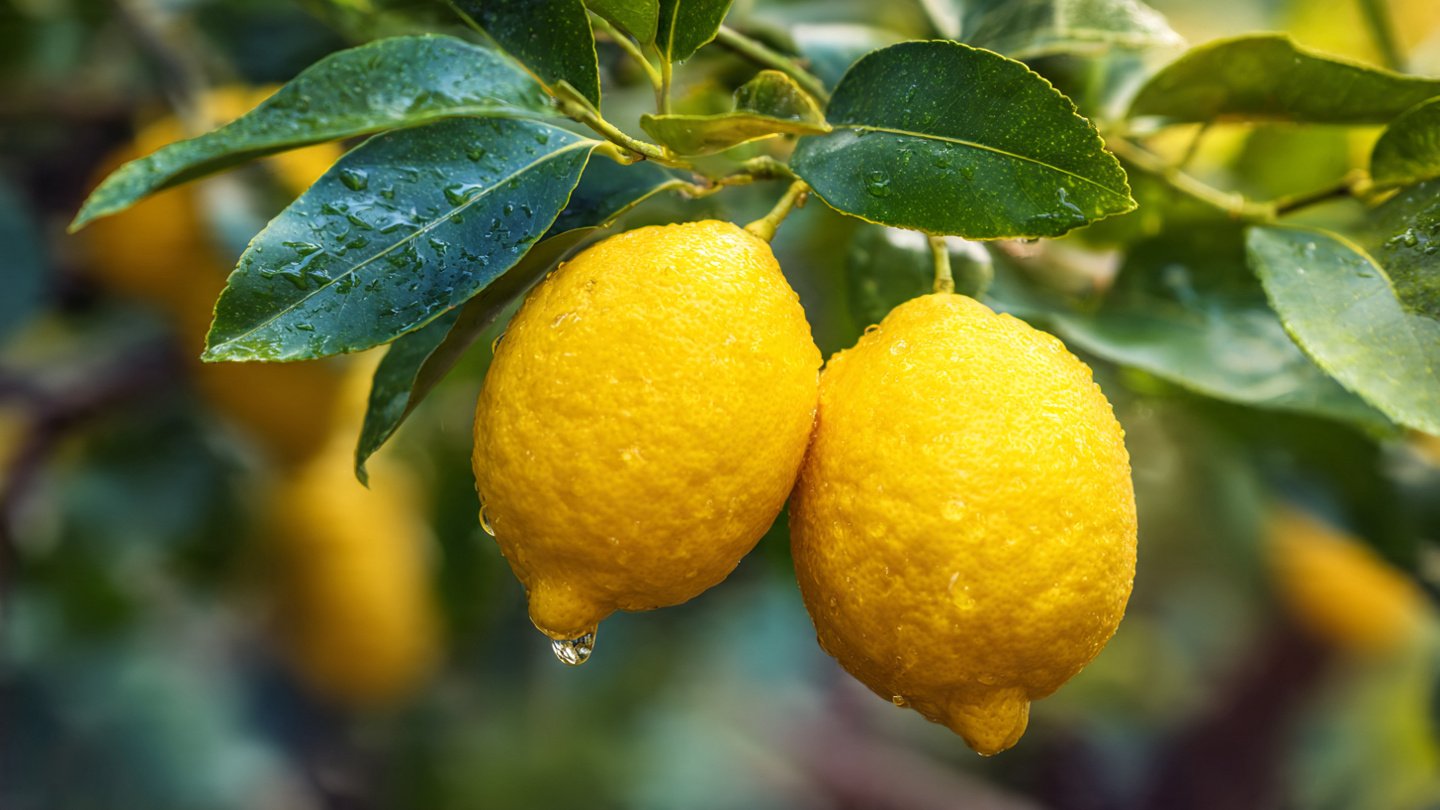
Lemon trees are among the most rewarding fruit trees to grow, providing a continuous supply of fragrant, tangy fruits that enhance culinary dishes, beverages, and even home remedies. While lemons are relatively easy to cultivate, producing a consistent and bountiful harvest requires proper care, attention to soil, water, sunlight, and pruning. Whether you’re growing lemons in a backyard garden, a terrace, or a container, understanding their growth needs and implementing expert techniques can dramatically improve fruit yield. This article provides a complete guide to successfully growing lemons, with essential tips to maximize fruiting and ensure a healthy, productive tree.
Selecting the Right Lemon Variety
The first step toward a successful lemon harvest is choosing the right variety for your region and purpose. Some popular varieties include:
- Eureka Lemon: Produces large, juicy fruits and is widely grown in subtropical regions.
- Lisbon Lemon: Similar to Eureka, hardy, and productive, often used for commercial cultivation.
- Meyer Lemon: A hybrid between lemon and mandarin orange, sweeter, compact, and ideal for container gardening.
- Ponderosa Lemon: Produces large, thick-skinned fruits and is suitable for ornamental purposes as well as fruiting.
Choosing a variety suited to your climate and intended use ensures faster growth, earlier fruiting, and higher yields.
Planting Lemon Trees
Ideal Location
Lemon trees thrive in full sunlight, requiring at least 6–8 hours of direct sunlight daily. Select a location that:
- Is sheltered from strong winds, which can damage flowers and young fruits.
- Has good air circulation to prevent fungal diseases.
- Offers enough space for roots to spread if planting in the ground or for container growth if limited in space.
Soil Requirements
Lemons prefer well-drained, slightly acidic soil with a pH between 5.5 and 6.5. Tips for soil preparation:
- Amend the Soil: Mix compost, organic manure, and sand to improve drainage and fertility.
- Avoid Waterlogging: Poor drainage can lead to root rot and stunted growth.
- Container Planting: Ensure pots have drainage holes and use a quality potting mix with compost.
Planting Techniques
- Dig a hole twice as wide and as deep as the root ball.
- Place the tree in the hole, ensuring the graft union (if using a grafted tree) is above soil level.
- Backfill with enriched soil and water thoroughly to settle the roots.
- Mulch around the base to retain moisture and suppress weeds.
Watering and Fertilization
Watering
Consistent watering is crucial, especially during the first year. Guidelines include:
- Young Trees: Water 2–3 times per week, keeping the soil moist but not waterlogged.
- Established Trees: Water deeply once or twice a week, depending on rainfall and temperature.
- Avoid Dry Spells: Lemon trees are sensitive to drought, which can reduce flowering and fruit set.
Fertilization
Proper nutrition encourages strong growth, flowering, and fruiting:
- Use a balanced fertilizer (NPK 6:6:6 or 10:10:10) every 6–8 weeks during the growing season.
- Include micronutrients like magnesium, zinc, and iron to prevent deficiencies that can reduce fruit yield.
- Organic options like compost, vermicompost, and well-rotted manure can improve soil fertility and structure.
Pruning for Maximum Fruit Production
Pruning is an essential practice that affects fruit yield and tree health:
- Remove Dead or Damaged Branches: This encourages airflow and reduces disease risk.
- Thin Out Crowded Branches: Allows sunlight to reach inner foliage, promoting flower and fruit development.
- Shorten Young Shoots: Encourages branching and stronger growth.
- Timing: Prune after the main harvest or in late winter, avoiding heavy pruning during flowering.
Regular pruning keeps the tree manageable, healthy, and productive.
Flowering and Fruit Set
Flowering is a critical phase for fruit production. Lemons produce white, fragrant flowers that attract pollinators like bees. Tips to encourage flowering and fruit set include:
- Encourage Pollination: Plant flowers near pollinator-friendly plants to attract bees. Hand pollination may be necessary in indoor or container settings.
- Avoid Overwatering During Flowering: Excess water can reduce flower retention.
- Proper Fertilization: Phosphorus and potassium support flower and fruit development.
Pest and Disease Management
Lemon trees can be affected by pests and diseases that reduce fruit yield. Key issues include:
- Aphids and Mealybugs: Feed on sap and may transmit diseases. Use neem oil or insecticidal soap.
- Leaf Miners: Cause curling and discoloration of young leaves. Remove affected leaves and use biological controls.
- Fungal Diseases: Powdery mildew and sooty mold thrive in humid conditions. Maintain airflow and apply appropriate fungicides if necessary.
- Fruit Drop: Caused by irregular watering, nutrient deficiencies, or extreme temperatures. Consistent care reduces losses.
Monitoring the tree regularly ensures early detection and effective control of problems.
Supporting Young Fruits
Once fruits begin to develop, proper care can prevent premature drop and ensure quality:
- Fruit Thinning: Remove excess fruits on crowded branches to allow remaining fruits to grow larger.
- Support Heavy Fruits: Use slings or stakes to prevent branches from breaking under the weight.
- Protect from Pests: Birds and insects can damage fruits. Netting or organic repellents can help protect your crop.
Container Lemon Trees
For gardeners with limited space, container-grown lemon trees are ideal:
- Pot Selection: Choose a large container with drainage holes.
- Soil: Use high-quality potting mix enriched with compost.
- Watering: Containers dry out faster, so monitor moisture closely.
- Fertilization: Apply water-soluble fertilizer more frequently, every 4–6 weeks.
- Sunlight: Place the container in full sun or move it outdoors during warm months for maximum growth.
Container lemon trees can produce just as well as in-ground trees with proper care.
Seasonal Care Tips
- Spring and Summer: Encourage flowering and fruiting with balanced fertilization and regular watering.
- Autumn: Gradually reduce watering and prepare the tree for cooler temperatures.
- Winter: Protect young or potted trees from frost by covering with cloth or bringing indoors.
Seasonal adjustments ensure year-round health and sustained fruit production.
Harvesting Lemons
- Lemons are typically ready to harvest when fully colored and slightly soft to the touch.
- Harvest carefully using pruning shears to avoid damaging branches.
- Frequent harvesting encourages continuous fruiting throughout the season.
Proper timing and technique ensure the highest quality lemons with excellent flavor and juice content.
Tips for a Bountiful Harvest
- Sunlight is Critical: Always ensure your lemon tree receives adequate sunlight.
- Consistent Watering: Avoid both drought and overwatering to reduce fruit drop.
- Balanced Fertilization: Regular nutrients encourage strong vegetative growth and flower formation.
- Pollinator Attraction: Encourage bees and other pollinators to increase fruit set.
- Pruning and Training: Shape the tree to optimize airflow and sunlight penetration.
- Pest Monitoring: Early detection and organic pest management prevent losses.
By following these steps, gardeners can enjoy a generous and high-quality lemon harvest season after season.
Conclusion
Growing lemons successfully requires attention to detail, consistent care, and understanding of the tree’s needs. From selecting the right variety and planting in well-draining soil to ensuring proper sunlight, watering, fertilization, pruning, and pest control, each step plays a critical role in producing a bountiful harvest.
By implementing expert techniques and observing your tree’s growth patterns, you can maximize fruit production and enjoy fresh, juicy lemons right from your garden or balcony. Whether you are a beginner or an experienced gardener, these essential fruiting tips will guide you toward a thriving, productive lemon tree that continues to provide delicious fruits year after year.
With patience, care, and dedication, your lemon tree can become a sustainable source of healthy fruits, fragrant flowers, and gardening satisfaction, transforming your outdoor space into a vibrant, fruitful haven.