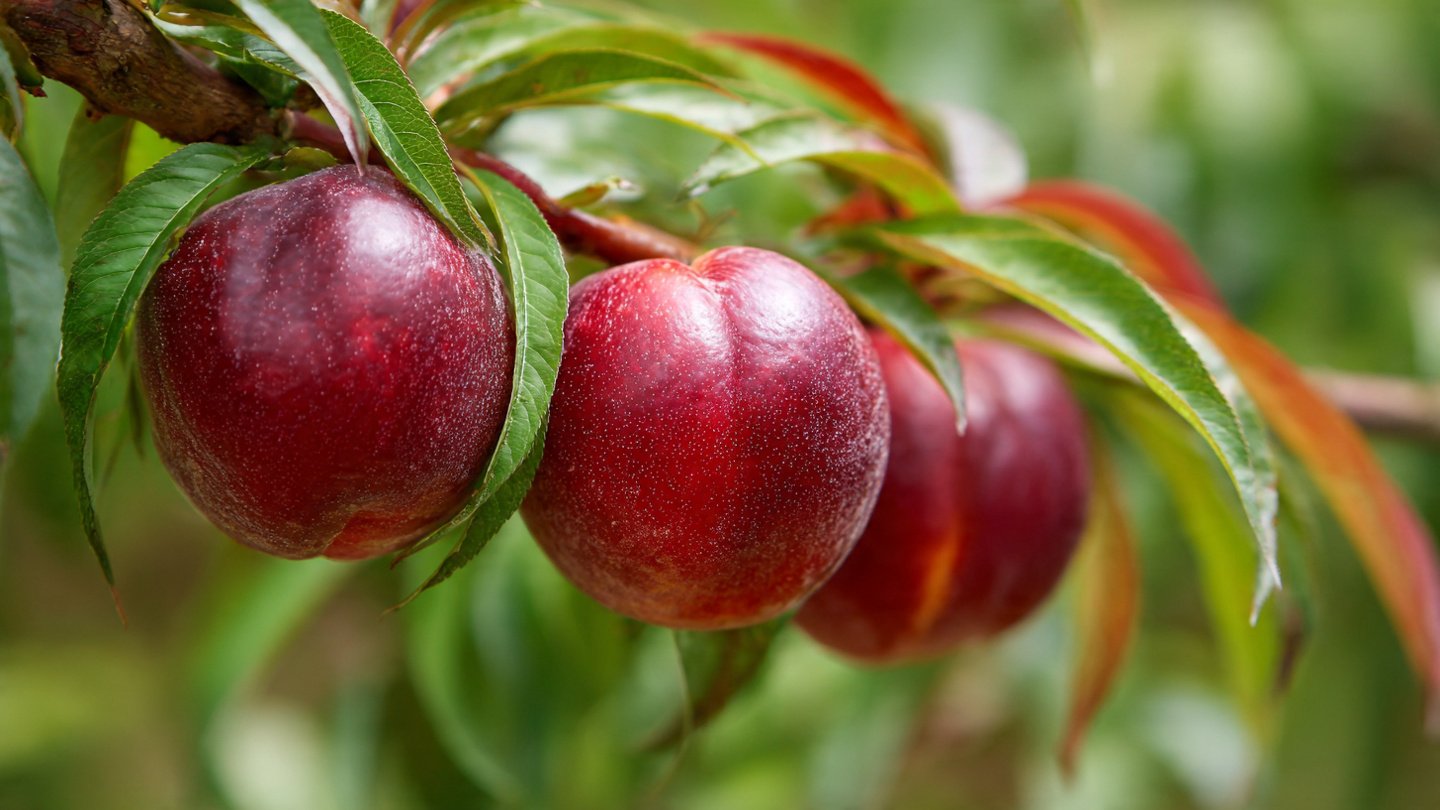
Nectarines are a delight for fruit lovers, offering juicy, sweet flesh and a smooth-skinned alternative to peaches. While traditionally associated with warmer climates, growing nectarines in Canada is possible with careful planning, particularly by selecting early-ripening varieties. Early nectarines have the advantage of maturing before the onset of cooler temperatures, allowing Canadian gardeners to enjoy fresh, homegrown fruit even in shorter growing seasons.
This comprehensive guide outlines strategies for growing early nectarines in Canada successfully, covering variety selection, planting, pruning, fertilization, pest and disease management, and harvest techniques to ensure a bountiful crop.
Understanding Nectarines and Their Requirements
Nectarines (Prunus persica var. nucipersica) are closely related to peaches but differ in having smooth skin. Before diving into cultivation, it’s essential to understand their basic growth needs:
- Chill Hours: Nectarines require a certain number of winter chill hours (hours below 7°C or 45°F) to break dormancy and produce fruit. Selecting low- to medium-chill early varieties is critical for Canadian climates.
- Sunlight: Full sun exposure (at least 6–8 hours daily) is essential for fruit development, sweetness, and color.
- Soil: Well-draining, loamy soil with slightly acidic to neutral pH (6.0–7.0) supports healthy roots and vigorous growth.
- Water: Regular watering is essential, particularly during flowering, fruit set, and summer growth.
Understanding these requirements ensures that your early nectarines can thrive despite Canada’s shorter and cooler growing season.
Step 1: Choosing the Right Early Nectarine Varieties
Selecting appropriate early varieties is the foundation of successful nectarine cultivation in Canada. Ideal early varieties include:
- ‘Hardired’ – Cold-hardy, early-maturing variety with excellent flavor and medium-size fruit.
- ‘Redgold’ – Early ripening with vibrant skin color and juicy flesh.
- ‘Fantasia’ – Produces sweet, early fruits suitable for northern climates.
- ‘Necta Zee’ – Compact tree, ideal for backyard gardens and early harvest.
Look for low-chill, frost-tolerant, and early-ripening cultivars. Local nurseries or Canadian agricultural extensions often recommend varieties specifically suited to your region’s climate.
Step 2: Site Selection for Nectarine Trees
The location of your nectarine tree significantly affects its growth and fruit production:
- Full Sun: Choose a south-facing location that receives maximum sunlight throughout the day.
- Air Circulation: Avoid frost pockets and poorly ventilated areas; good airflow reduces fungal disease risk.
- Soil Drainage: Nectarines are prone to root rot in waterlogged soil. Raised beds or sloping areas are ideal.
- Proximity to Other Plants: Space trees at least 12–15 feet apart to allow sunlight penetration and airflow.
Selecting the optimal site ensures trees receive enough warmth and sunlight for early fruit development.
Step 3: Planting Nectarine Trees
Proper planting ensures strong root establishment and long-term productivity:
- Planting Time: In Canada, early spring is ideal after the last frost. Fall planting is possible in milder regions.
- Planting Depth: Place the tree so that the top of the root ball is level with the surrounding soil.
- Spacing: Space early nectarines 12–15 feet apart to prevent overcrowding and improve fruit quality.
- Watering After Planting: Water thoroughly to help roots settle, and maintain consistent moisture until the tree establishes.
Healthy initial planting sets the stage for a strong, fruit-bearing tree.
Step 4: Pruning and Training for Maximum Fruit
Pruning is essential to encourage light penetration, airflow, and early fruiting:
- Open Center System: Create a vase-shaped canopy by removing the central leader, allowing sunlight to reach inner branches.
- Annual Winter Pruning: Remove dead, crossing, or weak branches during dormancy to improve structure and fruiting potential.
- Summer Pruning: Light pruning helps control excessive growth and encourages fruit maturation.
Regular pruning is especially important for early nectarines to ensure fruit ripens quickly in Canada’s short summers.
Step 5: Fertilization for Early Nectarines
Nutrition plays a vital role in growth and fruit quality:
- Balanced Fertilizer: Apply a complete fertilizer (e.g., 10-10-10) in early spring before bud break.
- Nitrogen Management: Avoid excessive nitrogen late in the season to prevent lush foliage at the expense of fruit ripening.
- Micronutrients: Ensure calcium and magnesium are available to reduce fruit disorders such as blossom-end rot.
Proper fertilization promotes early flowering and larger, sweeter fruit.
Step 6: Watering Techniques
Consistent moisture is crucial, particularly for early varieties in Canada:
- During Flowering and Fruit Set: Maintain even moisture to prevent fruit drop.
- Summer Watering: Deep, infrequent watering encourages strong root systems.
- Mulching: Apply organic mulch around the base to retain soil moisture, regulate temperature, and suppress weeds.
Efficient watering practices prevent stress that can delay fruiting and reduce harvest quality.
Step 7: Frost and Cold Protection
Frost can damage blossoms and reduce yield in Canada’s short growing seasons:
- Frost Covers: Use row covers, frost blankets, or burlap to protect blossoms during unexpected cold snaps.
- Microclimate Selection: Plant trees on slopes or elevated areas to reduce frost exposure.
- Timing Pruning: Avoid late winter pruning that stimulates early bud growth susceptible to frost.
Protecting your trees during bloom ensures maximum fruit set for a bountiful harvest.
Step 8: Pest and Disease Management
Early nectarines are susceptible to several pests and diseases, which can impact yield:
- Common Pests: Aphids, peach tree borers, and scale insects.
- Diseases: Brown rot, leaf curl, powdery mildew, and bacterial spot.
- Preventive Measures:
- Maintain good pruning and airflow.
- Remove fallen leaves and debris to reduce disease risk.
- Use organic or chemical controls as needed, following local guidelines.
Healthy trees are more likely to produce abundant fruit quickly, essential for short Canadian summers.
Step 9: Harvesting Early Nectarines
Harvesting at the right time is critical for flavor and texture:
- Maturity Indicators: Fruit should be fully colored, slightly soft at the stem end, and aromatic.
- Harvest Technique: Gently twist or lift fruits to avoid bruising.
- Timing: Early nectarines often ripen from late June to early July in southern Canada, depending on the variety.
Proper harvesting maximizes fruit quality and encourages continued production if some trees produce multiple flushes of flowers.
Step 10: Advanced Tips for Canadian Gardeners
- Container Growing: Small early nectarine trees can be grown in large containers to move to warmer, sunnier spots.
- Grafting: Use cold-hardy rootstock for improved resilience and early fruiting.
- Season Extenders: Row covers or mini-greenhouses can increase warmth and extend the growing season.
- Regular Monitoring: Inspect buds, blossoms, and fruit frequently for signs of pests, disease, or stress.
Implementing these advanced techniques increases the likelihood of a successful, early harvest in Canada’s variable climate.
Benefits of Growing Early Nectarines in Canada
- Fresh Homegrown Fruit: Enjoy sweet, juicy nectarines despite short summers.
- Extended Growing Season: Early varieties maximize fruiting before frost.
- Aesthetic Appeal: Nectarine trees provide beautiful spring blossoms.
- Educational Experience: Learn about fruit tree care and climate adaptation.
- Sustainable Gardening: Reduce reliance on imported fruit and enjoy local produce.
With careful planning, Canadian gardeners can reap the rewards of homegrown nectarines even in cooler regions.
Common Mistakes to Avoid
- Selecting High-Chill Varieties: Trees may fail to fruit in short Canadian summers.
- Planting in Frost Pockets: Reduces flower and fruit survival.
- Over-Fertilizing Late: Delays fruit maturity and reduces sweetness.
- Neglecting Pruning: Leads to dense canopies and lower fruit yield.
- Ignoring Pests or Diseases: Can drastically reduce harvest quality.
Avoiding these mistakes ensures strong, healthy trees and a bountiful harvest.
Conclusion
Growing early nectarine varieties in Canada is entirely feasible with proper care and planning. By choosing low-chill, early-ripening cultivars, providing ideal site conditions, preparing nutrient-rich, well-draining soil, pruning for sunlight and airflow, maintaining proper watering and fertilization, and protecting trees from frost, Canadian gardeners can enjoy bountiful, sweet nectarines despite the shorter growing season.
Early nectarines not only provide delicious fruit but also add beauty and vitality to gardens and landscapes. With patience and attention to detail, even novice gardeners can cultivate trees that produce a continuous, high-quality harvest, bringing the taste of summer to Canada’s northern gardens.