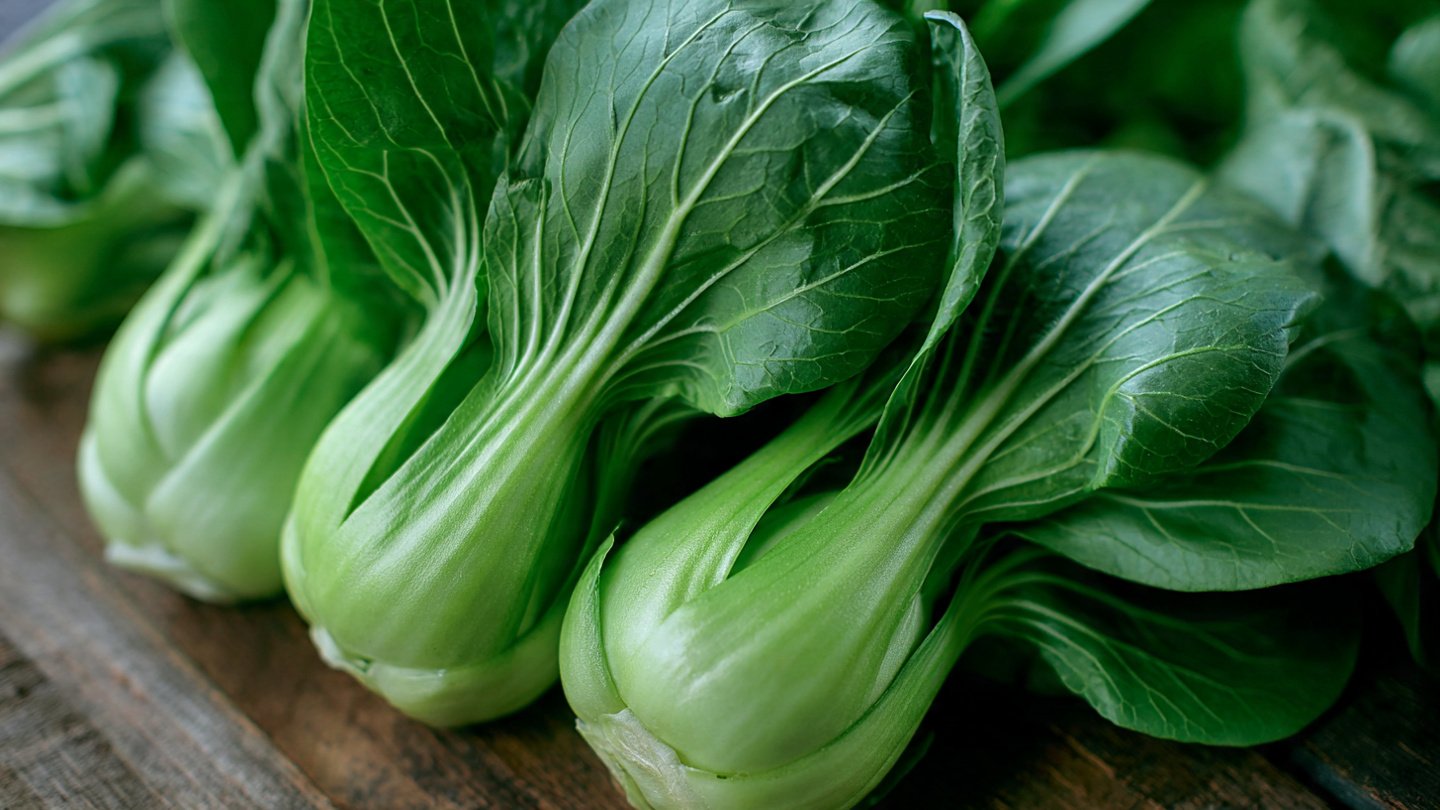
Bok choy (Brassica rapa subsp. chinensis), also known as pak choi or Chinese cabbage, is a leafy green vegetable that is nutritious, versatile, and easy to grow indoors. With its crisp texture, mild flavor, and rich content of vitamins A, C, and K, bok choy is a favorite for salads, stir-fries, soups, and smoothies. Growing dwarf bok choy indoors allows you to enjoy fresh, chemical-free greens year-round, even if you lack outdoor garden space.
This guide provides a comprehensive approach to growing dwarf bok choy indoors, covering everything from selecting seeds and containers to care techniques, harvesting, and troubleshooting.
Why Grow Dwarf Bok Choy Indoors
Indoor cultivation of dwarf bok choy offers numerous advantages:
- Year-Round Harvest: Unlike outdoor planting, indoor growing allows you to produce fresh greens throughout the year, independent of weather conditions.
- Space Efficiency: Dwarf varieties are compact and perfect for windowsills, countertops, or small indoor garden setups.
- Nutrient Control: You can manage soil quality, water, and nutrients, producing healthy, chemical-free leaves.
- Quick Growth: Bok choy grows rapidly, often ready for harvest in 30–45 days, making it ideal for repeated planting cycles.
- Natural Beauty: Lush green leaves brighten your indoor space while providing edible nutrition.
Indoor gardening with dwarf bok choy combines practical nutrition, aesthetic appeal, and convenience.
Choosing the Right Bok Choy Variety
Selecting a dwarf variety is key to successful indoor cultivation. Look for varieties that:
- Stay compact: Ideal for pots, trays, or small containers.
- Mature quickly: Faster growth ensures year-round availability.
- Disease-resistant: Indoor conditions can sometimes encourage fungal growth; resistant varieties reduce risks.
Popular dwarf bok choy varieties for indoor gardening include:
- Baby Bok Choy: Small, tender leaves perfect for containers.
- Shanghai Bok Choy: Compact and fast-growing with sweet, mild stems.
- Joi Choi: Dwarf variety with upright growth and crisp texture.
These varieties are well-suited for indoor environments and repeated harvesting.
Selecting Containers for Indoor Growth
Container choice is crucial for proper root development and plant health:
- Size: Use pots at least 6–8 inches deep for a single plant or 10–12 inches for multiple seedlings.
- Drainage: Ensure containers have adequate drainage holes to prevent waterlogging and root rot.
- Material: Plastic, ceramic, or clay containers work well. Plastic retains moisture better, while clay promotes aeration.
- Trays for Seedlings: Shallow trays are ideal for starting seeds before transplanting.
Proper containers prevent overcrowding and support vigorous growth.
Preparing Soil for Dwarf Bok Choy
Bok choy thrives in nutrient-rich, well-draining soil:
- Base: Use high-quality potting mix instead of garden soil.
- Organic Matter: Mix in compost or well-rotted manure to provide essential nutrients.
- Drainage: Add perlite or sand to prevent water stagnation.
- pH Level: Slightly acidic to neutral soil (pH 6.0–7.0) is ideal for optimal growth.
Well-prepared soil supports rapid growth and tender, flavorful leaves.
Starting Seeds Indoors
Growing bok choy from seeds ensures continuous production and the ability to select preferred varieties:
Step 1: Seed Sowing
- Fill seed trays or small pots with prepared soil mix.
- Sow seeds ¼–½ inch deep and cover lightly with soil.
- Water gently using a spray bottle to avoid washing seeds away.
- Maintain soil moisture consistently, but avoid soggy conditions.
Step 2: Germination
- Seeds typically germinate in 5–10 days.
- Maintain temperatures between 65–75°F for optimal germination.
- Provide bright, indirect light to encourage healthy seedling growth.
Step 3: Thinning Seedlings
- Once seedlings develop 2–3 true leaves, thin to one seedling per cell or pot.
- Strong, well-spaced seedlings prevent competition for nutrients and light.
Caring for Dwarf Bok Choy Indoors
Proper care ensures rapid growth, healthy leaves, and year-round harvests.
1. Light Requirements
- Bok choy needs 12–16 hours of bright light daily.
- Place plants near a south-facing window or use LED grow lights if natural sunlight is insufficient.
- Rotate pots periodically for even light exposure.
2. Watering
- Keep soil consistently moist but not waterlogged.
- Water at the base rather than overhead to prevent fungal issues.
- Use a saucer to catch excess water and avoid indoor mess.
3. Fertilization
- Feed with balanced liquid fertilizer every 2–3 weeks.
- Organic options such as fish emulsion or compost tea promote healthy leaf growth.
- Avoid over-fertilization with nitrogen; too much nitrogen may lead to weak stems and susceptibility to pests.
4. Temperature and Humidity
- Ideal temperature range: 60–75°F.
- Avoid sudden temperature fluctuations and drafts from windows or air conditioners.
- Moderate humidity helps prevent leaf curling and promotes robust growth.
Pest and Disease Management
Even indoors, bok choy can encounter pests and diseases:
- Aphids: Tiny insects that suck sap from leaves. Remove manually or spray with neem oil.
- Fungus Gnats: Can thrive in moist soil. Avoid overwatering and allow soil surface to dry between watering.
- Downy Mildew: Prevent by maintaining good air circulation and avoiding water on leaves.
Regular inspection of plants ensures early detection and control, maintaining healthy crops.
Harvesting Dwarf Bok Choy
Bok choy grows quickly, allowing for multiple harvests:
Timing
- Baby leaves can be harvested in 30 days after sowing.
- Full heads are ready in 45–60 days.
- Continuous harvesting is possible with cut-and-come-again methods.
Harvest Technique
- For baby leaves: Snip outer leaves, leaving the inner growth intact.
- For full heads: Cut at the base just above soil level.
- Regular harvesting encourages new growth and extends the harvest season.
Storage
- Fresh bok choy lasts 5–7 days in the refrigerator.
- Store in a perforated plastic bag or airtight container to maintain crispness.
- Quick freezing or blanching extends shelf life for months.
Tips for Year-Round Indoor Production
- Succession Planting: Sow seeds every 2–3 weeks to maintain a continuous supply.
- Companion Planting: Grow herbs like basil or parsley nearby to repel indoor pests.
- Rotate Containers: Move plants for even light exposure and prevent legginess.
- Adjust Fertilizer: Increase potassium during growth for stronger stems and healthy leaves.
- Use Reflective Surfaces: Mirrors or reflective boards enhance light exposure for plants in low-light areas.
By following these strategies, you can maintain a steady, year-round supply of fresh, tender bok choy leaves.
Benefits of Growing Dwarf Bok Choy Indoors
- Fresh Nutrition: Access to vitamin-rich greens any time of the year.
- Compact Growth: Ideal for apartments, kitchen counters, or balconies.
- Rapid Harvest: Ready in as little as a month for baby leaves.
- Chemical-Free Produce: Grow without pesticides or harmful chemicals.
- Aesthetic Appeal: Adds greenery and freshness to indoor spaces.
Indoor cultivation transforms your home into a sustainable and productive mini-garden.
Conclusion
Growing dwarf bok choy indoors is a practical, rewarding, and convenient way to enjoy fresh, nutritious greens year-round. By selecting the right variety, providing adequate light, water, and nutrients, and maintaining proper care, you can enjoy continuous harvests of crisp, flavorful leaves.
From seed sowing to harvesting, each step contributes to healthy, productive plants. Whether you are an experienced gardener or a beginner, dwarf bok choy is an excellent choice for indoor vegetable gardening. With minimal space and consistent care, your indoor garden can provide a steady supply of fresh, homegrown greens, enhancing both your meals and your living space.
Growing dwarf bok choy indoors is more than just gardening—it’s a way to bring nature into your home, enjoy sustainable nutrition, and experience the satisfaction of producing your own food.