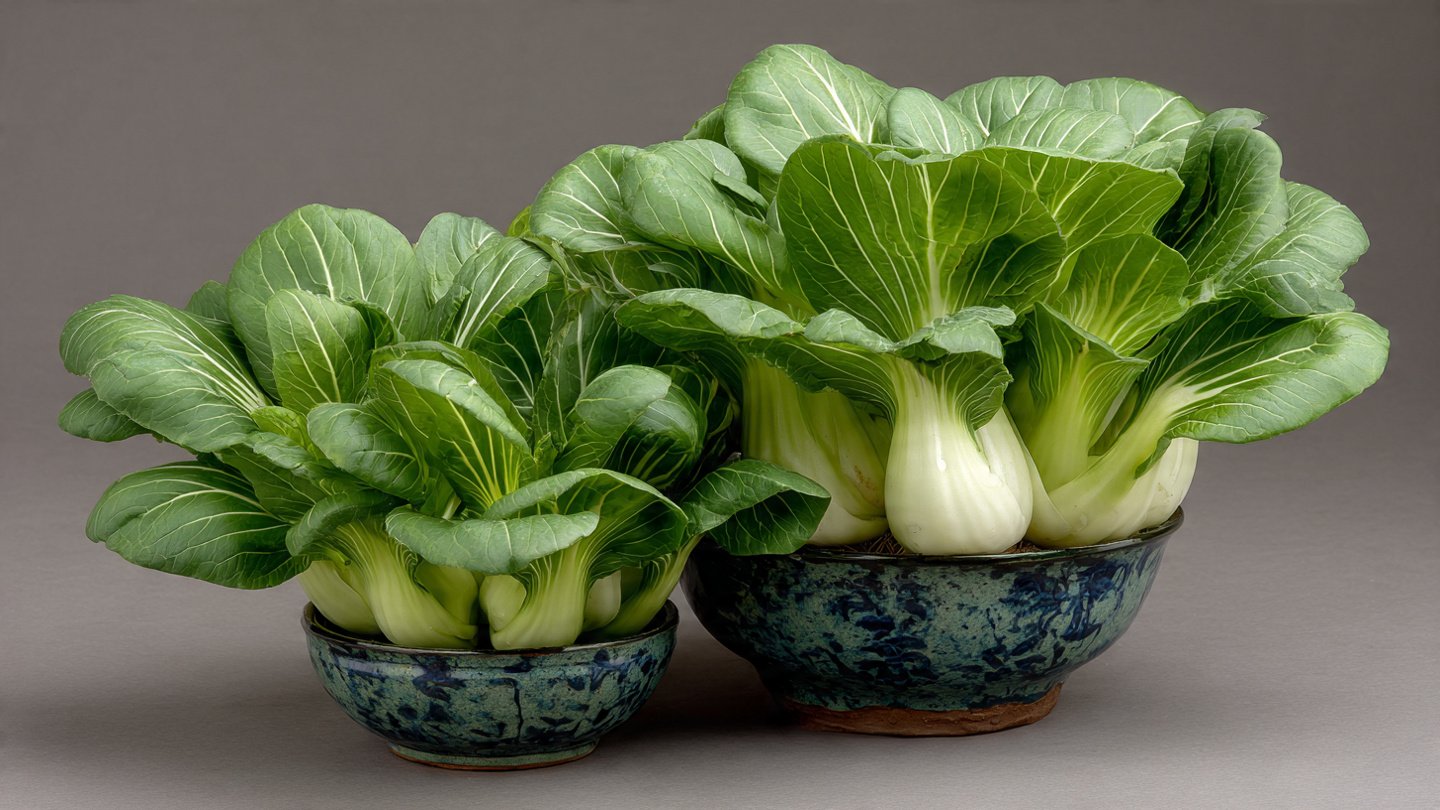
Bok choy, also known as pak choi or Chinese cabbage, is a leafy green vegetable prized for its crisp texture, mild flavor, and nutrient-rich leaves. Packed with vitamins A, C, and K, as well as calcium and antioxidants, bok choy is a favorite in Asian cuisines and a versatile addition to soups, stir-fries, and salads. While many gardeners grow bok choy in open beds, growing it in pots is becoming increasingly popular, especially for urban gardeners, balcony growers, or those with limited space.
With the right methods, bok choy can thrive in containers, providing fresh, homegrown greens year-round. In this guide, we’ll uncover the best practices for planting, caring, and harvesting bok choy in pots.
Why Grow Bok Choy in Pots?
Growing bok choy in containers offers several advantages:
- Space-saving – Perfect for apartments, balconies, or small patios.
- Pest management – Easier to monitor and control pests compared to open gardens.
- Soil control – You can provide ideal soil conditions for faster, healthier growth.
- Flexibility – Move pots to optimize sunlight or protect plants from extreme weather.
- Continuous harvest – Staggered planting allows for fresh leaves throughout the year.
With proper planning, a single pot can provide a consistent supply of crisp, leafy greens in just a few weeks.
Choosing the Right Container
The container you use is one of the most critical factors for success.
Ideal Container Size
- Depth: 6–12 inches (15–30 cm) to accommodate root growth
- Width: At least 6 inches (15 cm) per plant
- Material: Plastic, ceramic, or terracotta all work; ensure the pot is sturdy and won’t tip over easily
Drainage
Proper drainage is essential to prevent waterlogging, which can cause root rot.
- Make sure the pot has holes at the bottom
- Add a layer of gravel or small stones for better drainage if needed
Selecting the Best Soil
Bok choy thrives in loamy, nutrient-rich soil with good water retention. For pots:
- Use a high-quality potting mix
- Mix in compost or well-rotted manure for organic nutrients
- Ensure a slightly acidic to neutral pH (6.0–7.5) for optimal growth
A light, fluffy soil allows roots to spread easily while maintaining adequate moisture.
Choosing the Right Bok Choy Variety
Not all bok choy varieties are ideal for pots. Consider:
- Baby Bok Choy – Small, compact, and perfect for containers
- Shanghai Bok Choy – Mild flavor, grows quickly, and fits well in pots
- Joi Choi – Fast-growing and disease-resistant
Selecting the right variety ensures a high yield and easy maintenance in container setups.
Planting Bok Choy in Pots
Step 1: Seed or Seedling?
You can grow bok choy from:
- Seeds: Economical, easy to start indoors or directly in pots
- Seedlings/Transplants: Faster growth and higher survival rate
Step 2: Sowing Seeds
- Fill the pot with moist potting mix
- Sow seeds about ¼ inch deep
- Space seeds 3–4 inches apart for baby varieties, 6–8 inches for larger types
- Lightly water to keep the soil moist but not soggy
- Cover the pot with a thin layer of soil or vermiculite
Seeds usually germinate in 5–10 days, depending on temperature and humidity.
Step 3: Transplanting Seedlings
If starting seedlings indoors:
- Transplant when seedlings have 2–3 true leaves
- Dig a hole in the pot and gently place the seedling in
- Water immediately to reduce transplant shock
Optimal Growing Conditions
Light
Bok choy prefers full sun to partial shade:
- 4–6 hours of sunlight per day for baby varieties
- 6–8 hours for larger, mature plants
In hot climates, provide some afternoon shade to prevent leaves from bolting.
Temperature
Bok choy grows best in cool weather:
- Ideal temperature: 55–70°F (13–21°C)
- Avoid extreme heat, which can cause bitter leaves or premature flowering (bolting)
Watering
- Keep soil consistently moist
- Avoid waterlogging to prevent root rot
- Use a watering can or drip system for even moisture
Mulching with straw or shredded leaves helps retain soil moisture and keep roots cool.
Fertilizing Your Bok Choy
Container-grown bok choy benefits from regular feeding:
- Use liquid fertilizer every 2–3 weeks for quick nutrient uptake
- A balanced fertilizer like 10-10-10 NPK works well
- Organic options: compost tea, fish emulsion, or diluted seaweed extract
Avoid over-fertilizing, which can cause excessive leaf growth with weaker stems.
Pest and Disease Management
Bok choy in pots is less prone to pests but still requires monitoring. Common issues include:
- Aphids – Remove with water spray or neem oil
- Flea beetles – Use row covers or insecticidal soap
- Downy mildew – Ensure good air circulation and avoid overhead watering
- Root rot – Prevent with well-draining soil and proper watering
Regular inspection and preventive care keep your plants healthy.
Harvesting Bok Choy
Timing
- Baby bok choy: 30–40 days after sowing
- Mature bok choy: 45–60 days
Method
- Harvest outer leaves first for a continuous supply
- For full plants, cut at the base with a sharp knife
- Avoid damaging the crown if you plan to regrow
Harvesting regularly encourages new growth and prevents the plant from flowering prematurely.
Companion Planting in Pots
Bok choy can thrive with companion plants in the same container or nearby pots:
- Carrots – Grow underground, complementing bok choy above
- Spinach and lettuce – Similar growing conditions, quick harvest
- Herbs like cilantro or dill – Repel pests and attract beneficial insects
Avoid planting tomatoes or peppers in the same pot, as they may compete for nutrients.
Common Mistakes to Avoid
- Overcrowding – Leaves need space for air circulation and healthy growth
- Underwatering – Can lead to bitter or tough leaves
- Ignoring sunlight – Insufficient light results in slow growth and spindly stems
- Not rotating crops – Prevents soil depletion and disease buildup in pots
Advantages of Growing Bok Choy in Pots
- Fresh, chemical-free produce at your fingertips
- Control over soil quality and water
- Minimal space requirement for high yield
- Easy to move indoors during extreme weather
- Fun and educational gardening experience for families
Growing bok choy in pots combines efficiency, convenience, and sustainability, making it perfect for modern gardeners.
Final Thoughts: Transform Your Balcony or Patio with Bok Choy
With the right container, soil, and care, bok choy grows beautifully in pots. By following these methods, you can enjoy continuous harvests of crisp, nutritious greens without the need for a traditional garden.
Whether you are a beginner looking to start your first container garden or an experienced grower seeking fresh Asian greens, bok choy offers a rewarding, fast-growing, and flavorful crop. With proper sunlight, watering, and attention to pests, your potted bok choy will flourish—turning your balcony, patio, or windowsill into a leafy, green paradise.
If you want, I can also create: