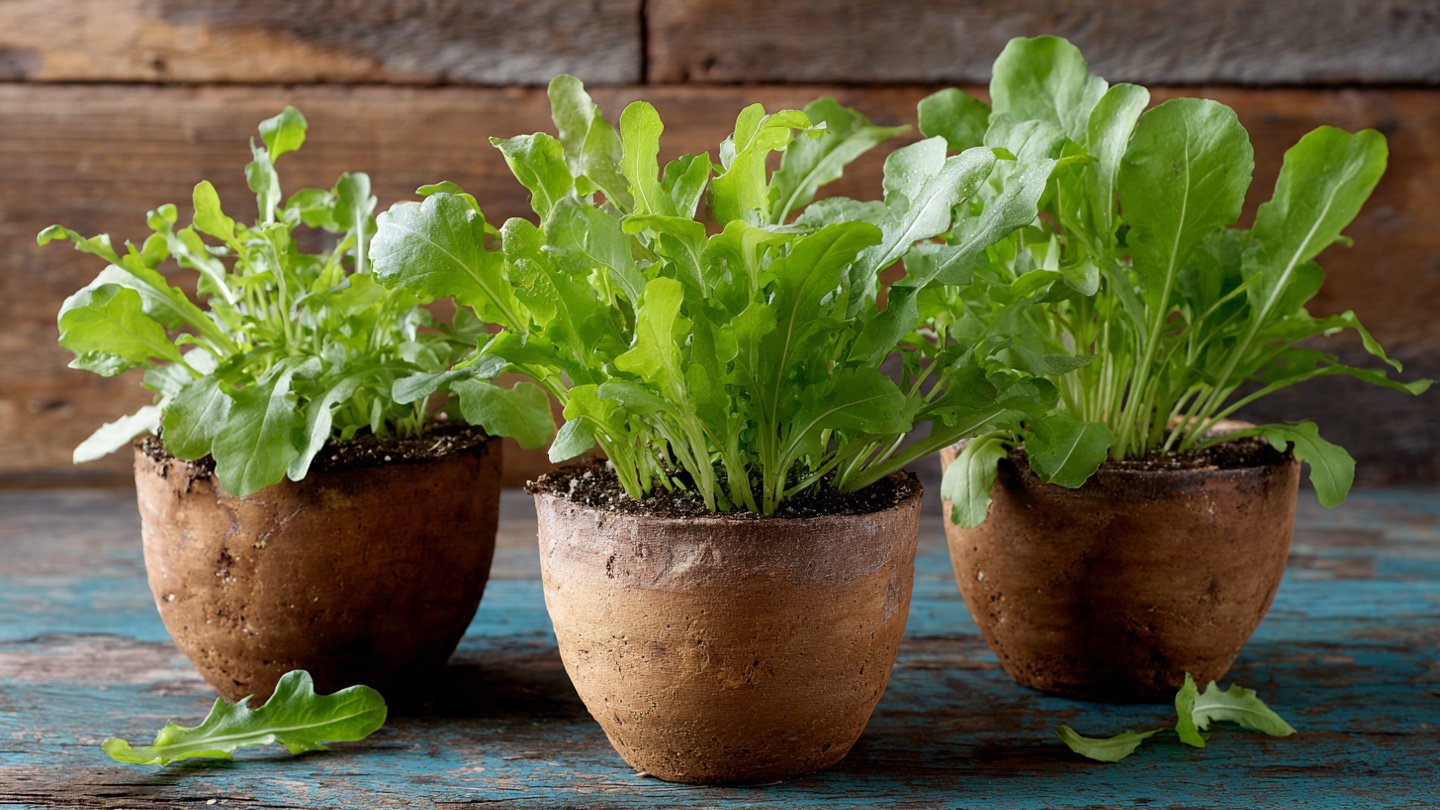
Arugula (Eruca sativa), also known as rocket or salad rocket, is a fast-growing, leafy green that adds a peppery, slightly nutty flavor to salads, sandwiches, and pesto. Its tender leaves, vibrant flavor, and nutritional benefits—including vitamins A, C, and K—make it a favorite among home gardeners and chefs alike. While arugula can be grown in garden beds, container gardening offers an easy and convenient way to enjoy fresh leaves year-round, even in small spaces like balconies, patios, or kitchens. In this step-by-step guide, we’ll cover everything you need to know to successfully grow arugula in containers, ensuring a continuous supply of fresh ingredients throughout the year.
Why Grow Arugula in Containers?
Container gardening offers unique advantages, especially for fast-growing greens like arugula:
- Space Efficiency: Ideal for small spaces, balconies, or indoor windowsills.
- Mobility: Containers can be moved to optimize sunlight or protect plants from extreme weather.
- Pest Management: Growing in containers reduces exposure to soil-borne pests and diseases.
- Year-Round Growth: Containers allow for controlled conditions, enabling multiple harvests throughout the year.
- Freshness and Flavor: Harvest as needed, ensuring tender, nutrient-rich leaves.
With container gardening, even urban dwellers can enjoy a thriving arugula patch without needing a traditional garden.
Step 1: Choose the Right Container
The first step to successful container-grown arugula is selecting an appropriate pot:
- Size: Arugula has a shallow root system, so a container 6–8 inches deep is sufficient. Wider containers (12–18 inches) allow multiple plants to grow together.
- Material: Plastic, ceramic, terracotta, or wooden containers all work well. Terracotta is porous and allows good drainage, while plastic retains moisture longer.
- Drainage: Ensure the container has adequate drainage holes to prevent waterlogging, which can cause root rot.
- Shape: Shallow, wide containers are preferable for dense arugula plantings, while deeper pots are useful if mixing with other herbs.
A well-chosen container provides enough space for roots and ensures healthy, vigorous growth.
Step 2: Select Quality Soil
Arugula thrives in light, nutrient-rich, and well-draining soil:
- Soil Type: Use a loamy or potting mix specifically designed for vegetables.
- Nutrients: Incorporate organic compost or slow-release fertilizer to support continuous leaf growth.
- pH Level: Slightly acidic to neutral soil (pH 6–7) works best.
- Aeration: Avoid compacted soil; loose soil allows roots to breathe and promotes fast growth.
High-quality soil ensures strong, tender leaves and reduces the risk of nutrient deficiencies.
Step 3: Choose the Right Arugula Variety
Several arugula varieties are well-suited for container gardening:
- Wild Rocket: Strong, peppery flavor; slower to bolt.
- Cultivated Rocket: Milder flavor, tender leaves; ideal for continuous harvesting.
- Baby Arugula: Produces small, tender leaves perfect for salads.
- Slow-Bolting Varieties: Such as ‘Astro’ or ‘Diplomat,’ which are ideal for warmer months.
Selecting the right variety for your taste preferences and climate ensures consistent yields.
Step 4: Sow the Seeds Correctly
Arugula is easy to grow from seed, and container planting allows dense sowing:
- Seed Depth: Sow seeds about ¼ inch deep into moist soil.
- Spacing: For baby leaves, plant seeds 1–2 inches apart. For larger leaves, thin seedlings to 4–6 inches apart.
- Sowing Density: You can sow seeds densely and thin later, which ensures a lush, leafy container.
- Labeling: Mark each container with the planting date to track growth cycles.
Arugula germinates quickly, usually within 5–10 days, giving almost instant satisfaction to home gardeners.
Step 5: Provide Adequate Light
Arugula grows best with sufficient light:
- Sunlight: Place containers in a south-facing spot that receives at least 4–6 hours of direct sunlight per day.
- Indoor Lighting: If natural sunlight is limited, supplement with full-spectrum LED grow lights for 12–14 hours daily.
- Partial Shade: In very hot climates, provide some afternoon shade to prevent bolting.
Proper light ensures tender leaves and prevents bitterness caused by excessive heat or lack of light.
Step 6: Water Consistently
Moisture is critical for arugula growth:
- Regular Watering: Keep the soil consistently moist but not soggy. Dry soil causes leaves to become bitter.
- Method: Water at the base to avoid wetting foliage, which can attract fungal diseases.
- Drainage Check: Ensure water drains freely from the bottom to prevent root rot.
Frequent, shallow watering is ideal for container-grown arugula, as it encourages quick, healthy growth.
Step 7: Fertilization for Continuous Growth
Arugula is a leafy green that benefits from regular feeding:
- Organic Fertilizers: Use compost tea, fish emulsion, or liquid seaweed fertilizer every 2–3 weeks.
- Balanced Fertilizers: Nitrogen-rich fertilizers promote lush green growth. Avoid over-fertilizing, which can cause leaf burn.
- Soil Replenishment: Replace the top 1–2 inches of soil or add fresh compost periodically for longer-term growth.
Proper nutrition ensures a steady supply of tender, flavorful leaves.
Step 8: Thinning and Maintenance
Thinning and maintenance promote strong plants and prevent overcrowding:
- Thinning: Remove weaker seedlings to provide space for remaining plants to grow.
- Pruning: Harvest outer leaves regularly to encourage new growth.
- Pest Management: Monitor for aphids, flea beetles, or caterpillars. Handpick pests or use organic sprays like neem oil.
- Cleaning: Remove yellowing or damaged leaves to prevent disease.
A little attention goes a long way in keeping your container arugula healthy and productive.
Step 9: Harvesting Arugula
Arugula can be harvested continuously, providing fresh leaves for weeks:
- Baby Leaves: Harvest at 2–4 inches for a mild, tender taste.
- Mature Leaves: Larger leaves develop more flavor but may be slightly spicier.
- Cut-and-Come-Again Method: Trim leaves from the outer edges, leaving the center intact to promote regrowth.
- Harvest Timing: Morning harvest ensures crisp, hydrated leaves with the best flavor.
Frequent harvesting encourages new leaf growth and prevents plants from bolting prematurely.
Step 10: Year-Round Growing Tips
Arugula can be grown year-round with proper care:
- Succession Planting: Sow new seeds every 2–3 weeks to maintain a constant supply.
- Indoor Growing: Use containers under grow lights during winter or when outdoor conditions are unsuitable.
- Heat Management: Provide shade during hot months to prevent bolting.
- Cool Season: Arugula thrives in cooler temperatures (50–70°F / 10–21°C), but some varieties tolerate mild heat.
With a bit of planning, you can enjoy fresh, peppery arugula throughout the year.
Benefits of Growing Arugula in Containers
- Convenience: Fresh leaves ready at hand for salads, sandwiches, and recipes.
- Nutritional Value: Higher vitamins and antioxidants than store-bought greens.
- Sustainability: Reduces packaging and carbon footprint.
- Cost Savings: Grow continuously for a fraction of store-bought costs.
- Creative Gardening: Mix with other greens, herbs, or edible flowers for a visually stunning container garden.
Container-grown arugula brings freshness, nutrition, and flavor right to your home kitchen.
Conclusion
Growing arugula in containers is an easy, rewarding way to enjoy fresh, nutritious greens year-round. By following these steps—from choosing the right variety and container, sowing seeds correctly, and providing proper light, water, and nutrients—you can cultivate a thriving, peppery arugula patch no matter the size of your space. Regular maintenance, careful harvesting, and strategic succession planting will ensure continuous production of tender leaves for your salads, sandwiches, and cooking needs.
Whether you’re a beginner or an experienced gardener, container-grown arugula offers a convenient and sustainable solution for fresh ingredients at your fingertips. With minimal effort and attention, you can enjoy the taste, aroma, and health benefits of homegrown arugula all year long—crisp, vibrant, and bursting with flavor.