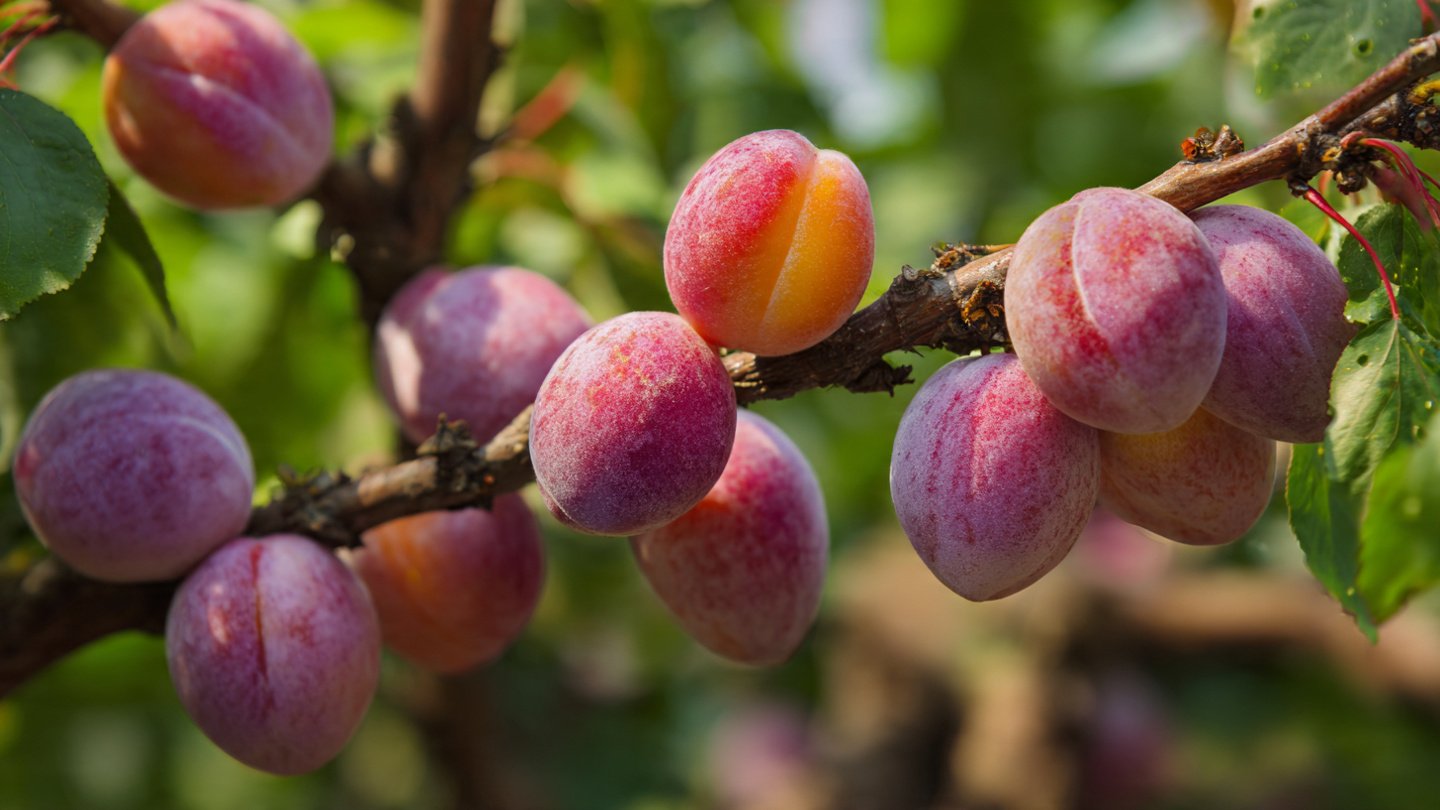
Apricots are cherished for their sweet, juicy fruit, bright color, and delightful fragrance. Many gardeners shy away from planting apricot trees because they fear frost damage, especially during early spring when buds are vulnerable. However, with careful planning, the right variety selection, and proper care, you can successfully grow a frost-resistant apricot tree in your backyard and enjoy delicious fruit year after year. In this guide, we’ll walk you through everything from choosing the right variety and planting site to pruning, fertilization, and harvesting techniques.
Understanding Frost and Apricot Trees
Apricot trees bloom early in spring, which makes their flowers highly susceptible to late frosts. Even a single frost can destroy buds and drastically reduce your harvest. To grow apricots successfully in colder climates, it’s important to understand two key concepts:
- Frost Damage: This occurs when temperatures drop below 32°F (0°C), causing blossoms to wither and die.
- Frost Resistance: Certain apricot varieties and proper planting techniques can withstand light frosts, minimizing crop loss.
By selecting frost-tolerant varieties and providing protective care, gardeners can significantly improve fruit yield even in areas with unpredictable spring weather.
Step 1: Choose the Right Frost-Resistant Apricot Variety
Not all apricot trees handle frost equally. Choosing the right variety is critical for success:
- Cold-Hardy Varieties: Look for apricots bred for colder climates. Examples include ‘Moorpark’, ‘Tilton’, and ‘Goldcot’. These varieties bloom later, reducing the risk of frost damage.
- Self-Fertile Varieties: Some apricots can pollinate themselves, which simplifies planting if you have limited space.
- Late-Blooming Varieties: Trees that bloom later in the season avoid early spring frosts. Varieties like ‘Harcot’ and ‘Perfection’ are known for their late flowering.
Local nurseries or extension offices often provide recommendations specific to your climate zone. Selecting the right variety lays the foundation for a successful harvest.
Step 2: Pick the Perfect Planting Site
Site selection plays a huge role in frost protection and overall tree health. Key considerations include:
- Sunlight: Apricot trees need full sun, at least 6–8 hours daily, to produce high-quality fruit.
- Elevation: Plant trees on a slight slope or raised area. Cold air settles in low spots, increasing frost risk.
- Soil: Apricots thrive in well-draining, loamy soil with a pH between 6.0–7.5. Avoid waterlogged areas.
- Air Circulation: Proper airflow helps reduce fungal diseases and prevents frost pockets. Avoid planting near walls or fences that can block wind circulation.
By carefully choosing the planting site, you can reduce frost exposure and improve the tree’s long-term health and productivity.
Step 3: Planting Your Apricot Tree
Proper planting technique ensures strong root development and frost resilience:
- Timing: Plant apricot trees in late winter or early spring while they are still dormant. This gives roots time to establish before new growth begins.
- Digging the Hole: Dig a hole twice as wide as the root ball and slightly deeper. Loosen surrounding soil to encourage root spread.
- Planting Depth: The graft union (if present) should be 2–3 inches above the soil to prevent disease and frost damage.
- Backfill: Fill with native soil, gently firming it around the roots. Water thoroughly to eliminate air pockets.
- Mulching: Apply 2–3 inches of organic mulch around the base to conserve moisture, regulate soil temperature, and protect roots from frost.
Well-planted trees establish faster, resist frost, and produce fruit earlier.
Step 4: Protect Your Apricot Tree from Frost
Even frost-resistant varieties benefit from additional protection during vulnerable periods:
- Row Covers or Frost Cloths: Drape lightweight frost cloth over young trees during cold nights. Remove once temperatures rise.
- Windbreaks: Erect barriers such as hedges or fences to reduce cold wind exposure.
- Watering Before Frost: Moist soil retains heat better than dry soil, which can help buffer frost impact.
- Late Pruning: Avoid pruning in late winter; pruning encourages early flowering, which can increase frost susceptibility.
Taking preventive measures during frost-prone periods minimizes damage to buds and blossoms.
Step 5: Fertilization and Soil Care
Healthy, well-nourished trees are more resilient to frost and produce higher yields:
- Balanced Fertilizer: Use a fertilizer with equal parts nitrogen, phosphorus, and potassium in early spring before buds swell.
- Organic Matter: Incorporate compost or well-rotted manure to improve soil fertility and drainage.
- pH Monitoring: Test soil pH and adjust if necessary with lime (to raise pH) or sulfur (to lower pH).
- Avoid Excessive Nitrogen: Over-fertilization with nitrogen promotes leafy growth at the expense of fruit and may increase frost susceptibility.
Consistent soil care ensures the tree is strong, resilient, and capable of producing sweet, juicy fruit.
Step 6: Pruning for Frost Resistance and Productivity
Pruning apricot trees is essential for shaping the tree, improving air circulation, and managing frost exposure:
- Dormant Pruning: Prune in late winter when the tree is dormant. Remove dead, diseased, or crossing branches.
- Open Center Shape: Apricots benefit from an open-center or vase shape, allowing sunlight penetration and reducing frost pockets inside the canopy.
- Remove Suckers: Eliminate basal shoots and vigorous suckers that drain energy from fruiting branches.
- Timing: Avoid heavy pruning in late fall, as new shoots may be damaged by frost.
Regular pruning increases sunlight exposure, strengthens branches, and reduces frost damage risk.
Step 7: Irrigation and Water Management
Apricot trees need consistent moisture but are sensitive to waterlogging:
- Deep Watering: Provide 1–2 inches of water weekly during dry periods. Water slowly to encourage deep root growth.
- Drip Irrigation: A drip system reduces water waste, prevents wet foliage, and lowers fungal disease risk.
- Avoid Overwatering in Dormancy: Excess water during winter can weaken roots and reduce frost tolerance.
Proper irrigation keeps the tree healthy, supports fruit development, and ensures resilience against environmental stressors.
Step 8: Pest and Disease Management
Healthy trees are more frost-resistant, and pest control plays a key role:
- Common Pests: Aphids, scale, and spider mites can weaken apricot trees. Introduce beneficial insects or use horticultural oils as needed.
- Fungal Diseases: Brown rot and powdery mildew can reduce yields. Ensure proper pruning, good air circulation, and fungicide sprays if necessary.
- Monitoring: Inspect trees regularly for early signs of pests or disease. Prompt action prevents stress and preserves frost resistance.
Keeping your apricot tree pest- and disease-free ensures it remains vigorous enough to survive frosts and produce abundant fruit.
Step 9: Harvesting and Enjoying Fruit
Frost-resistant apricot trees reward gardeners with delicious fruit when cared for properly:
- Harvest Time: Pick apricots when they are fully colored, slightly soft to the touch, and aromatic.
- Handling: Handle gently to avoid bruising. Apricots continue to ripen slightly off the tree.
- Storage: Store in the refrigerator for up to a week or preserve through canning, drying, or freezing for year-round enjoyment.
- Succession Planting: If possible, plant different varieties with staggered bloom times to extend your harvest period.
Enjoying fruit from your backyard is the ultimate reward for careful planning, planting, and care.
Step 10: Long-Term Care and Tips
To ensure your frost-resistant apricot tree thrives for years:
- Regular Mulching: Maintain mulch around the base to regulate soil temperature.
- Annual Pruning: Shape the tree every winter to promote fruiting and frost resilience.
- Monitor Soil Health: Add compost or organic matter yearly to maintain fertility.
- Observe Buds: Track flowering times and adjust care to protect buds during potential frost events.
- Record-Keeping: Keep notes on bloom dates, frost events, and harvest quality for better planning each season.
With consistent care, your apricot tree can produce delicious fruit for decades.
Conclusion
Growing a frost-resistant apricot tree in your backyard may seem challenging, but with careful variety selection, site planning, pruning, and preventive frost measures, it’s entirely achievable. By choosing the right tree, planting in a protected site, and providing consistent care—watering, fertilizing, pruning, and pest control—you can enjoy sweet, juicy apricots year after year.
Frost resistance is not just about surviving cold nights—it’s about creating the ideal environment for strong growth, healthy buds, and abundant fruiting. With patience and attention, your backyard can become a mini orchard producing delicious apricots, allowing you to savor homegrown fruit while connecting more deeply with the natural rhythms of your garden.
Plant today, care wisely, and your frost-resistant apricot tree will reward you with years of flavorful harvests and gardening satisfaction.