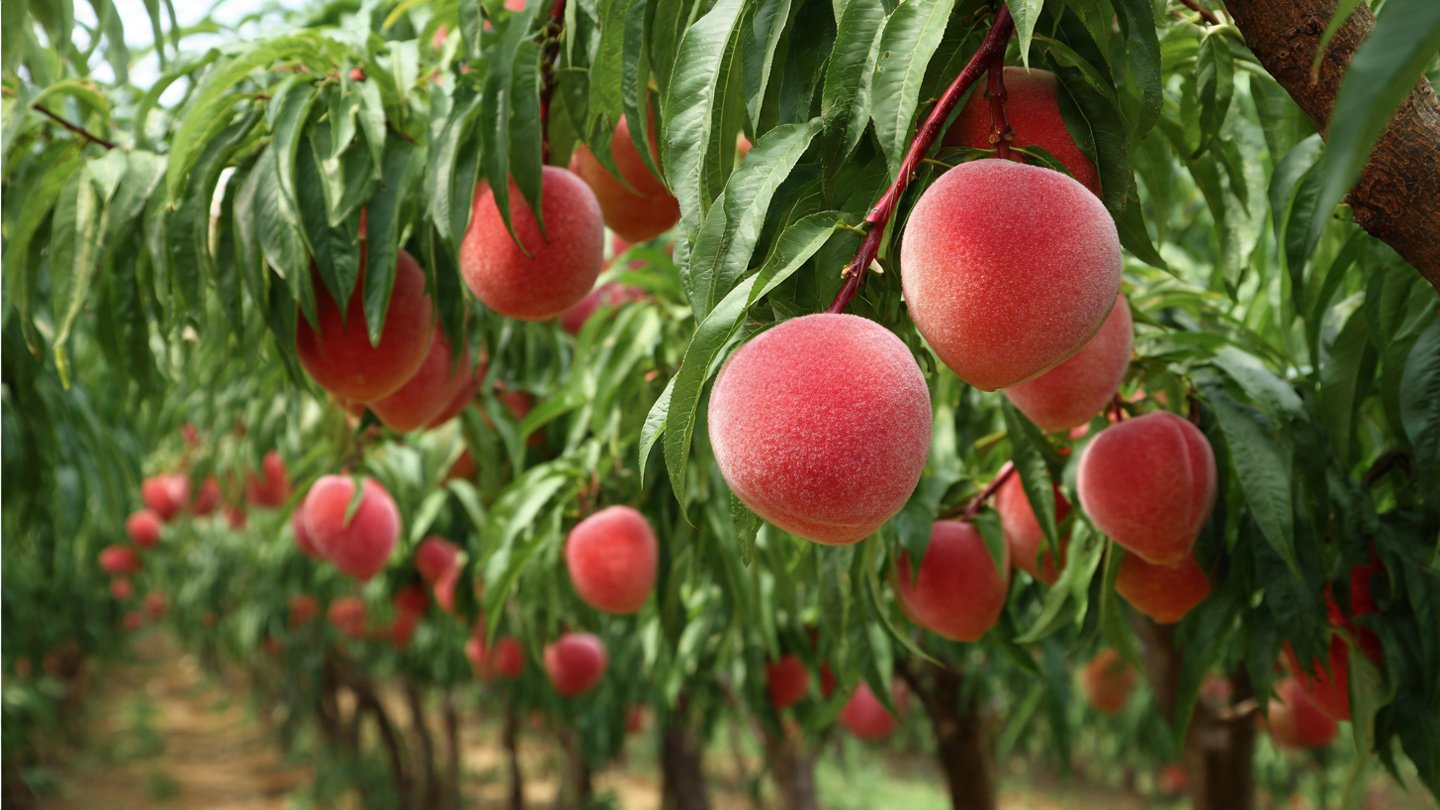
Peaches are one of the most rewarding fruits to grow in a home garden. Their sweet aroma, juicy flesh, and vibrant colors make them a favorite for fresh eating, baking, and preserves. For gardeners, cultivating early ripening peach varieties offers a special advantage: you get to enjoy the fruits of your labor sooner and extend the peach season before mid or late-season varieties mature. However, growing peaches requires careful planning, proper care, and an understanding of the unique needs of early ripening cultivars. In this guide, we’ll explore step-by-step strategies to ensure a successful, bountiful peach harvest.
Understanding Early Ripening Peach Varieties
Early ripening peach varieties mature sooner than standard cultivars, often ready to harvest in late spring or early summer, depending on your climate. Popular examples include:
- Early Elberta: Known for its sweet, firm flesh and excellent flavor.
- Flordaking: A Florida favorite, highly productive and disease-resistant.
- Redhaven: A classic early variety, hardy and versatile.
- Harvester: Produces medium-sized, juicy peaches with high sugar content.
Why early ripening peaches are advantageous:
- Extended harvest season: By planting early varieties, you can enjoy fresh peaches before mid-season or late-season varieties are ready.
- Market potential: Early peaches often command higher prices at farmers’ markets due to limited availability.
- Reduced pest pressure: Harvesting earlier can sometimes help avoid late-season pests and diseases.
Selecting the Right Location
A successful peach harvest begins with choosing the optimal planting site. Peaches thrive in conditions that support healthy growth, flowering, and fruiting.
Sunlight Requirements
Peach trees need full sun, ideally 6–8 hours of direct sunlight daily. Sun exposure is crucial for fruit ripening, sugar development, and overall tree vigor. Early varieties particularly benefit from ample sunlight, which accelerates flowering and fruit maturation.
Soil Considerations
Peach trees prefer well-drained, sandy-loam soil with a pH between 6.0 and 6.8. Avoid heavy clay or poorly drained soil, as it can lead to root rot and stunted growth. Amending soil with organic matter such as compost or well-rotted manure improves fertility and water retention.
Spacing
Early ripening peach trees can grow 12–20 feet apart for standard trees, or 6–8 feet for dwarf varieties. Proper spacing ensures adequate air circulation, reducing the risk of fungal diseases and promoting uniform sunlight exposure.
Choosing Healthy Nursery Trees
Selecting a healthy, disease-free tree from a reputable nursery sets the stage for a productive harvest. Look for:
- Strong, straight trunks without cracks or damage.
- Healthy roots free from rot or dryness.
- Vibrant green leaves without spotting or discoloration.
- One-year-old bare-root or container-grown trees for early establishment.
Dwarf varieties are ideal for small gardens or container planting, while standard-sized trees suit larger orchards. For early ripening peaches, ensure the variety is adapted to your climate, as some early varieties may struggle in cooler or extremely hot regions.
Proper Planting Techniques
Planting correctly ensures your peach tree establishes strong roots and thrives in its first season.
Step 1: Timing
Plant bare-root peach trees in late winter or early spring while still dormant. Container-grown trees can be planted any time the soil is workable.
Step 2: Digging the Hole
- Dig a hole 2–3 times wider than the root system.
- Ensure the depth allows the graft union (if grafted) to remain above the soil line.
Step 3: Preparing the Roots
- Trim any damaged or broken roots.
- Soak bare roots in water for a few hours before planting to prevent dehydration.
Step 4: Planting and Backfilling
- Place the tree in the hole and spread the roots evenly.
- Backfill with soil, gently firming it to eliminate air pockets.
- Water thoroughly to settle the soil.
Step 5: Mulching
Apply a 2–3 inch layer of mulch around the base, keeping it a few inches away from the trunk. Mulch retains soil moisture, regulates temperature, and suppresses weeds.
Watering and Fertilization
Proper water and nutrient management are crucial for early fruit set and growth.
Watering
- Peach trees need 1–2 inches of water per week, depending on rainfall.
- Young trees require deeper watering to establish roots, while mature trees benefit from consistent moisture during flowering and fruit development.
- Avoid overwatering, which can lead to root rot and nutrient leaching.
Fertilization
- Early spring is the best time to apply a balanced fertilizer (10-10-10).
- Avoid excessive nitrogen, as it promotes leafy growth at the expense of flowering and fruiting.
- Consider soil testing to determine nutrient deficiencies.
Pruning for Early Varieties
Pruning is essential for sunlight penetration, air circulation, and overall tree shape. Early ripening peaches benefit from structured pruning in late winter while trees are dormant.
Key Pruning Principles
- Remove dead, diseased, or damaged branches.
- Thin overcrowded branches to allow sunlight to reach inner limbs.
- Encourage an open-center shape to promote flowering and fruit set.
- Shorten long, vigorous shoots to stimulate lateral growth and fruiting spurs.
Proper pruning increases fruit size and quality while reducing pest and disease problems.
Pest and Disease Management
Early peach varieties can be vulnerable to pests and diseases if preventive measures are not taken.
Common Pests
- Peach tree borers: Drill into trunks and branches, weakening the tree.
- Aphids: Sap-sucking insects that cause leaf curling and reduced vigor.
- Fruit flies: Lay eggs inside ripening fruit, causing maggot infestations.
Preventive Measures
- Apply dormant oil sprays in late winter to control overwintering pests.
- Inspect trees regularly for early signs of infestation.
- Use netting or traps to protect fruits during the ripening stage.
Common Diseases
- Peach leaf curl: Distorts leaves and reduces fruit yield.
- Brown rot: Causes fruit to rot on the tree.
- Powdery mildew: Appears as a white powder on leaves and stems.
Prevention
- Select resistant varieties where possible.
- Maintain proper pruning and spacing for airflow.
- Apply fungicidal sprays as needed during early spring and flowering.
Harvesting Early Peaches
The timing of harvest is critical for flavor, texture, and shelf life. Unlike mid-season varieties, early peaches mature quickly, so monitoring ripeness is essential.
Signs of Ripeness
- Fruit changes from green to a golden, yellow, or reddish hue, depending on variety.
- A sweet aroma develops near the stem.
- Slight softness when gently pressed, but not mushy.
Harvesting Tips
- Pick fruit early in the day when temperatures are cooler.
- Handle peaches gently to avoid bruising.
- Harvest fruits that are fully colored and slightly soft for peak flavor.
Post-Harvest Care
Proper handling and storage can extend the shelf life of early peaches:
- Keep peaches at room temperature if they are slightly underripe to ripen fully.
- Once ripe, store in the refrigerator for up to a week.
- Avoid stacking peaches to prevent bruising.
Tips for Maximizing Bountiful Harvests
- Plant multiple varieties: Staggered harvest ensures continuous fruit availability.
- Protect blossoms from frost: Early varieties bloom quickly, making them vulnerable to late frosts. Cover young trees or apply frost cloth during cold snaps.
- Monitor water and nutrients: Early peaches often set fruit quickly, so consistent care improves size and sweetness.
- Practice integrated pest management: Combining cultural, mechanical, and chemical controls minimizes losses.
- Regular observation: Early detection of pests, diseases, or nutrient deficiencies prevents serious damage.
Conclusion
Cultivating early ripening peach varieties can be incredibly rewarding, providing juicy, sweet fruit well ahead of the main harvest season. With careful selection of varieties, proper planting techniques, diligent care, and effective pest and disease management, you can enjoy a bountiful harvest year after year. Remember, success lies in understanding the unique needs of early peach cultivars—from sunlight and soil preferences to pruning and watering schedules. By investing time and effort into proper cultivation practices, your garden can produce delicious, early-season peaches that delight your family and friends.