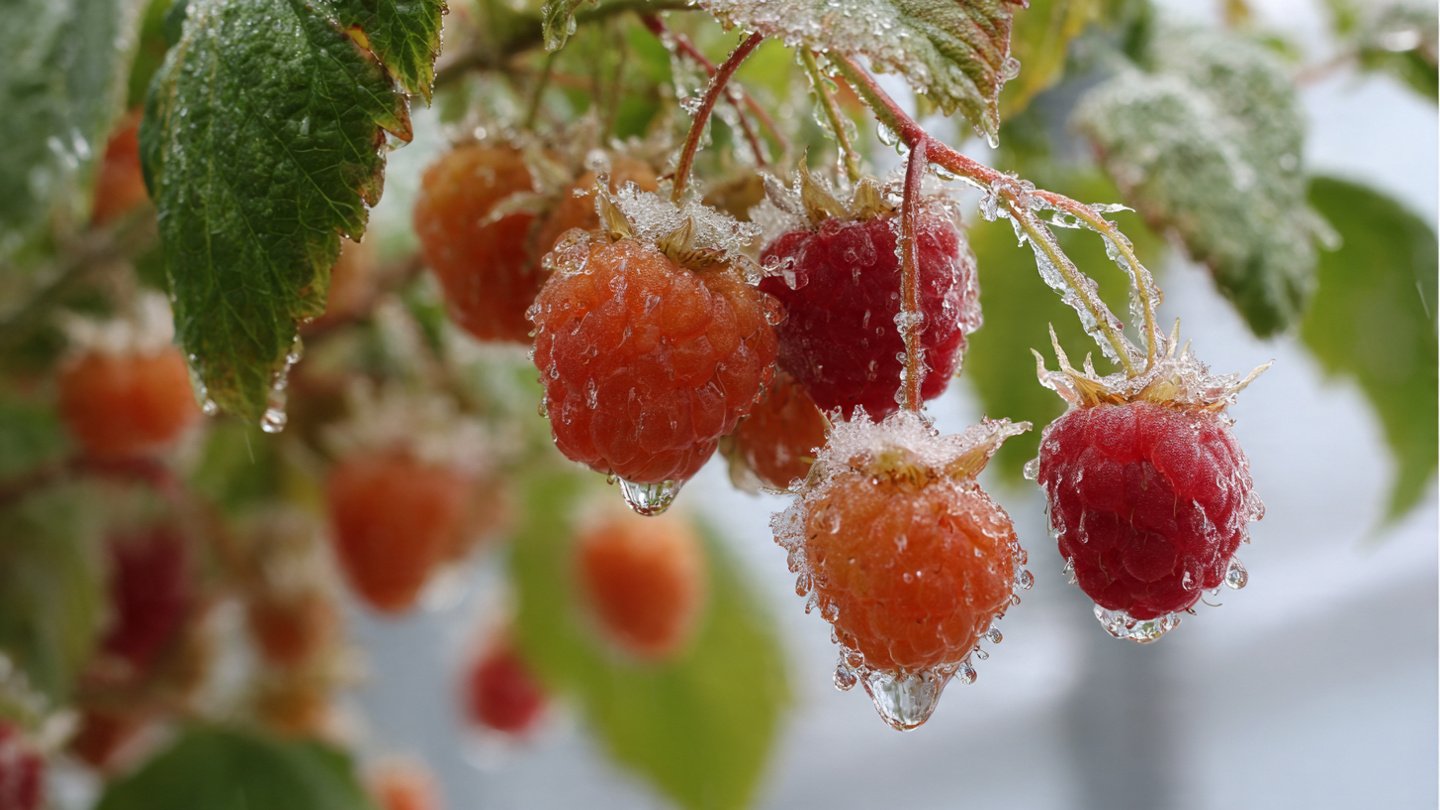
Raspberries are beloved for their sweet, tangy flavor and nutritional benefits. While they thrive outdoors during the growing season, winter can pose challenges for gardeners who want to continue enjoying fresh berries or maintain healthy plants until spring. With proper indoor care, raspberry plants can survive the winter, maintain vitality, and even prepare for a productive harvest once warmer weather returns.
This comprehensive guide will walk you through everything you need to know about caring for raspberry plants indoors during the winter months, including selecting the right varieties, adjusting light and temperature, pruning, watering, and pest management.
Why Bring Raspberry Plants Indoors in Winter
Raspberry plants are hardy, but prolonged exposure to freezing temperatures, snow, or frost can damage canes and roots, especially for container-grown plants. Bringing raspberry plants indoors offers several advantages:
- Protects Roots and Canes: Avoids frost damage that can kill above-ground stems.
- Maintains Plant Health: Reduces stress caused by fluctuating outdoor winter conditions.
- Extends Growing Season: Allows plants to prepare early for spring growth.
- Continuous Monitoring: Indoors, you can manage light, humidity, and pests more effectively.
By caring for raspberry plants indoors, you can ensure a stronger start to the growing season and better berry production.
Step 1: Choosing the Right Raspberry Variety
Not all raspberry plants adapt well to indoor conditions. Experts recommend selecting everbearing or remontant varieties, which produce fruit more than once a year and are generally more tolerant of container growth. Examples include:
- ‘Heritage’: Everbearing, known for large, flavorful berries.
- ‘Autumn Bliss’: Produces fruit in late summer and fall; adaptable to container growth.
- ‘Fall Gold’: Yellow raspberry variety; compact and productive indoors.
Compact or dwarf varieties are easier to manage indoors and are less likely to become root-bound in pots.
Step 2: Preparing Your Raspberry Plant for Winter
Before bringing raspberries indoors, you should prepare them properly:
- Inspect Plants: Remove dead or diseased canes and leaves.
- Prune Wisely: Trim the previous season’s fruiting canes back to 4–6 inches to encourage new growth.
- Repot if Necessary: Choose a slightly larger container with good drainage to accommodate root growth during winter.
Preparing the plant carefully reduces stress and prevents pest or disease problems while indoors.
Step 3: Selecting the Right Indoor Location
Raspberry plants need adequate light and stable conditions during winter:
- Bright Light: Place near a south-facing window where they can receive 6–8 hours of indirect sunlight.
- Supplemental Lighting: If natural light is limited, use full-spectrum grow lights for 10–12 hours daily to mimic outdoor conditions.
- Temperature: Maintain temperatures between 60°F–70°F (15°C–21°C) during the day and slightly cooler at night. Avoid placing near heaters or drafty windows.
- Air Circulation: Ensure moderate airflow to prevent mold and mildew, but avoid strong drafts that can dry out canes.
Raspberries require both light and cool temperatures for dormancy and health, so balance warmth with bright light carefully.
Step 4: Choosing the Right Container and Soil
Container selection is crucial for indoor raspberry health:
- Pot Size: A 12–16 inch diameter container is ideal for a single raspberry plant.
- Drainage: Ensure the container has holes to prevent waterlogging, which can cause root rot.
- Soil Mix: Use a well-draining potting mix rich in organic matter. A combination of peat moss, compost, and perlite works well.
- Fertilization: Lightly incorporate slow-release organic fertilizer into the soil before winter to maintain nutrients.
Proper soil and container choice provide stability and support root growth during the dormant or semi-dormant period.
Step 5: Watering Your Indoor Raspberry Plants
Watering needs decrease during winter because growth slows, but moisture is still important:
- Check Soil Moisture: Water when the top 1–2 inches of soil feel dry.
- Avoid Overwatering: Constantly soggy soil can lead to root rot.
- Humidity: Indoor air is often dry in winter. Increase humidity around the plant using a pebble tray or a small humidifier.
- Watering Method: Water gently to avoid soil compaction and ensure even distribution.
Maintaining consistent, moderate moisture helps keep roots healthy without promoting fungal problems.
Step 6: Pruning and Training
Pruning raspberries indoors is essential for plant health and next season’s productivity:
- Remove Dead Canes: Cut back canes that fruited in the previous season.
- Thin Crowded Canes: Leave the strongest 3–5 canes per plant to prevent overcrowding.
- Train New Canes: Use stakes or small trellises to support upright growth indoors.
- Pinch Tips: Encourage lateral branching and more buds for spring growth.
Pruning also improves air circulation and light penetration within the container.
Step 7: Fertilizing During Winter
Raspberry plants require minimal fertilization during winter:
- Frequency: Apply a balanced, water-soluble fertilizer once every 4–6 weeks if growth continues.
- Type: Use a diluted liquid fertilizer with equal NPK (nitrogen, phosphorus, potassium) ratios.
- Avoid Overfertilizing: Excess nutrients can overstimulate growth when the plant is supposed to be semi-dormant.
Fertilization should support slow growth without overwhelming the plant during winter.
Step 8: Monitoring for Pests and Diseases
Even indoors, raspberry plants are susceptible to pests and fungal issues:
- Common Indoor Pests: Spider mites, aphids, and whiteflies. Wipe leaves with a damp cloth or use insecticidal soap.
- Fungal Problems: Powdery mildew or root rot can occur with poor air circulation or overwatering.
- Regular Inspection: Check plants weekly for any signs of disease or pests.
- Preventive Care: Keep foliage dry, remove fallen leaves, and maintain airflow.
Early detection and action prevent serious infestations or disease outbreaks.
Step 9: Encouraging Dormancy or Light Growth
Raspberries naturally enter a dormancy phase during winter. Indoors, this phase can be managed:
- Cooler Temperatures: Mimic winter by keeping plants slightly cooler at night.
- Reduced Fertilization: Limit nutrients to prevent excessive growth.
- Moderate Light: Provide enough light to maintain health but not overstimulate.
- Water Sparingly: Allow slight drying of the soil between waterings.
By mimicking natural conditions, your raspberry plants will emerge stronger in spring, ready for a productive growing season.
Step 10: Preparing for Spring Transition
When temperatures rise and outdoor conditions improve:
- Harden Off Plants: Gradually acclimate them to outdoor sunlight over 1–2 weeks.
- Inspect for Winter Stress: Check for damaged canes, pest infestations, or root issues before planting outside.
- Gradual Watering Increase: Resume regular watering schedules as growth resumes.
- Fertilize for Spring Growth: Apply a balanced organic fertilizer to stimulate new cane development.
Transitioning carefully ensures that indoor raspberries thrive and produce abundant fruit once returned outdoors.
Expert Tips for Success
- Choose Compact Varieties: Easier to manage indoors and less likely to become root-bound.
- Provide Vertical Support: Keeps canes upright and prevents tangling.
- Keep a Consistent Routine: Water, light, and humidity consistency prevents stress.
- Clean Containers and Tools: Reduces risk of disease.
- Patience Is Key: Indoor raspberries grow slower in winter; expect minimal fruiting until spring.
Following these expert tips will help you maintain healthy raspberry plants and maximize next season’s harvest.
Conclusion
Caring for raspberry plants indoors during winter may seem challenging, but with the right strategy, it’s entirely manageable. By selecting suitable varieties, providing bright light and moderate temperatures, maintaining proper watering and humidity, and carefully pruning and supporting your plants, you can keep them healthy throughout the colder months.
Indoor winter care not only protects your plants from frost and stress but also ensures they emerge strong and productive when spring arrives. With attention to detail, patience, and consistent care, your indoor raspberry plants can thrive through winter, setting the stage for a bountiful harvest once the outdoor growing season begins.
By following these steps, gardeners can enjoy healthy, vigorous raspberry plants year-round, giving them a head start on fresh, homegrown berries when spring arrives.