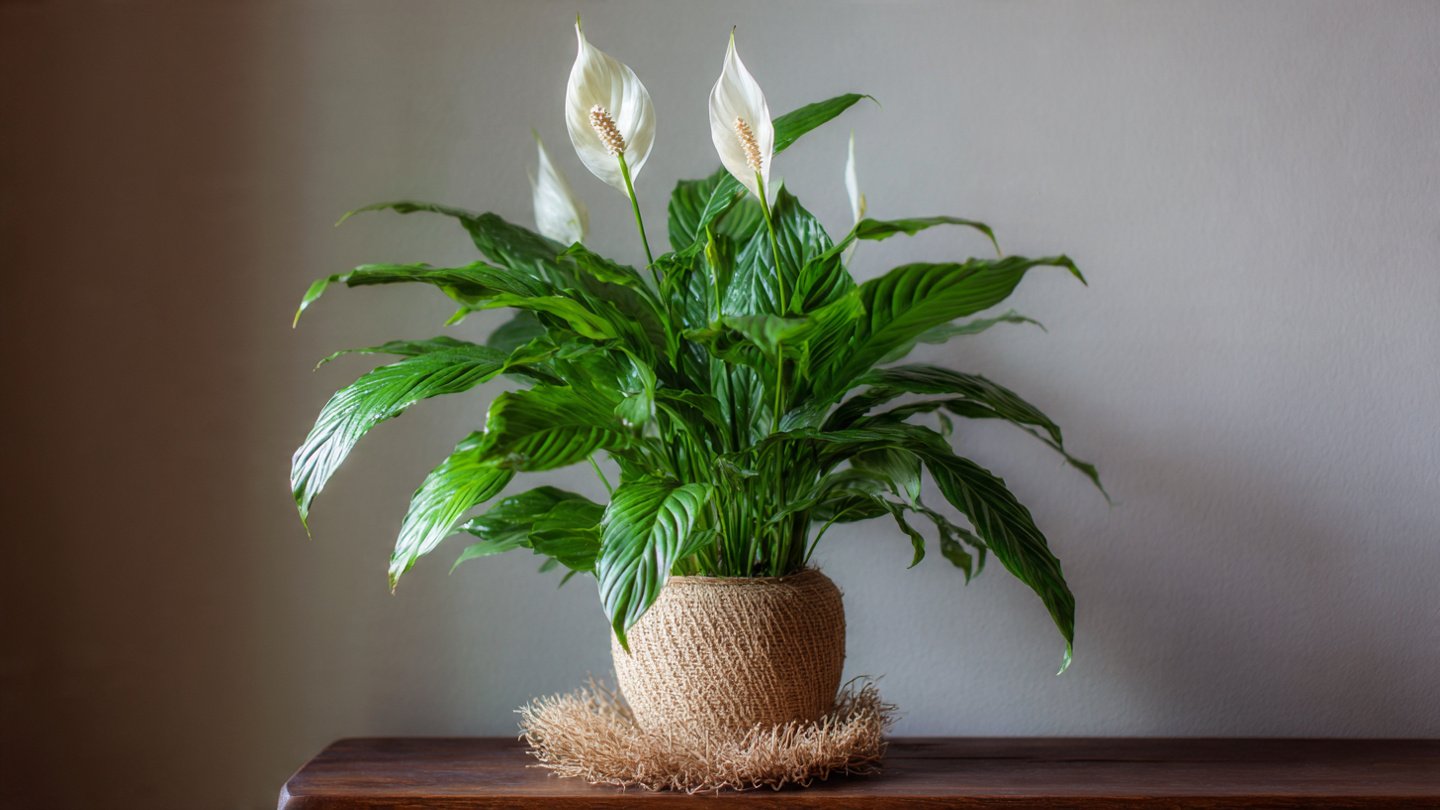
Peace lilies (Spathiphyllum spp.) are among the most popular indoor plants worldwide, thanks to their lush green leaves, elegant white blooms, and ability to purify indoor air. While they are relatively low-maintenance, peace lilies do require occasional repotting to thrive. Repotting not only gives them more room to grow but also refreshes the soil, provides essential nutrients, and prevents root rot. Many plant owners hesitate to repot, fearing they might damage the plant, but the process is surprisingly simple when done correctly. In this article, we’ll show you how to repot a peace lily the right way in just five simple steps, ensuring healthy growth and vibrant blooms.
Why Repotting Your Peace Lily is Important
Before we dive into the steps, it’s essential to understand why repotting is necessary:
- Root Health: Peace lilies have compact root systems that can become root-bound over time, circling the pot and restricting growth. Repotting loosens these roots, giving them space to expand.
- Soil Refresh: Old soil can become compacted, lose nutrients, and retain too much moisture. Fresh soil improves drainage, aeration, and nutrient availability.
- Growth Encouragement: Repotting stimulates new leaf growth and healthier blooms by providing the plant with renewed resources.
- Pest and Disease Management: Old soil may harbor pests, fungal spores, or bacteria. Repotting in fresh soil reduces these risks.
Repotting every 1–2 years or when the plant shows signs of being root-bound is ideal for maintaining a healthy peace lily.
Signs Your Peace Lily Needs Repotting
Knowing when to repot is just as important as knowing how. Common signs include:
- Roots growing out of drainage holes or circling the surface of the soil.
- The plant becoming top-heavy or tipping over.
- Water draining too quickly through the pot, indicating compacted soil or root crowding.
- Stunted growth or fewer blooms despite proper care.
If your peace lily shows one or more of these signs, it’s time to give it a fresh home.
What You’ll Need
Before starting, gather the necessary tools and materials:
- A slightly larger pot (1–2 inches bigger in diameter than the current pot) with proper drainage holes.
- Fresh, well-draining potting mix (a mix of peat, perlite, and a bit of compost works perfectly).
- Clean scissors or pruning shears for trimming roots if needed.
- Gloves (optional, for soil handling).
- A small trowel or spoon for transferring soil.
Having these ready makes the process smooth and stress-free.
Step 1: Remove the Peace Lily from Its Current Pot
Start by gently removing the plant from its existing container.
- Water the plant lightly a day before repotting; slightly moist soil helps loosen roots and reduces stress.
- Hold the base of the plant near the soil and tilt the pot slightly. Tap the sides or squeeze flexible pots to release the root ball.
- If the plant is stuck, gently run a knife or spatula along the pot edges to loosen the roots. Avoid pulling aggressively, as this can damage delicate roots.
Once the plant is out, examine the roots for health. Healthy roots are firm and white or light tan. Dark, mushy, or foul-smelling roots indicate rot and should be pruned before repotting.
Step 2: Trim and Inspect the Roots
Root trimming is a crucial step that encourages healthy growth and prevents overcrowding in the new pot.
- Use clean, sharp scissors or pruning shears.
- Remove any dead, blackened, or mushy roots.
- If the roots are tightly wound in a circular pattern, gently tease them apart to encourage outward growth.
By trimming and loosening the roots, you help your peace lily establish itself quickly in the new soil and pot, promoting faster growth and healthier blooms.
Step 3: Prepare the New Pot
Proper pot preparation ensures excellent drainage and a healthy environment for your peace lily:
- Place a small layer of fresh soil at the bottom of the new pot (about 1–2 inches).
- For extra drainage, you can add small pebbles or a layer of broken pottery at the bottom, but this is optional if your potting mix drains well.
- Make a shallow hole in the center to accommodate the root ball of the peace lily.
The goal is to position the plant so the base of the leaves sits just above the soil line while the roots are comfortably covered.
Step 4: Place the Plant and Add Soil
Now it’s time to settle your peace lily into its new home:
- Carefully place the root ball into the hole in the new pot. Ensure the plant is upright and centered.
- Fill in around the roots with fresh potting mix, gently pressing to remove air pockets but not compacting too tightly.
- Leave a small space at the top (about half an inch) to allow for watering.
Take care not to bury the crown of the plant (where the leaves meet the roots). Doing so can lead to crown rot and plant stress.
Step 5: Water and Settle the Plant
Proper watering immediately after repotting helps the plant recover and settle into its new soil:
- Water the peace lily thoroughly but gently, allowing excess water to drain from the bottom.
- Place the plant in a location with bright, indirect light. Avoid direct sunlight for the first few days to reduce transplant shock.
- Avoid fertilizing for at least 2–3 weeks, allowing the roots to adjust to the new environment.
After this, continue with regular peace lily care: moderate watering when the soil feels dry, indirect light, and occasional feeding with a balanced indoor plant fertilizer.
Extra Tips for a Successful Repot
- Pot Size Matters: Choosing a pot too large can lead to overwatering and root rot. A 1–2 inch increase in diameter is sufficient.
- Use Well-Draining Soil: Peace lilies dislike soggy soil, so ensure your mix drains well while retaining enough moisture.
- Prune Damaged Leaves: Remove any yellow or brown leaves during repotting to encourage new growth.
- Humidity: Peace lilies thrive in humid environments. Misting leaves or placing a humidity tray nearby can boost recovery.
- Observe Recovery: Some leaf drooping after repotting is normal. Within a few weeks, the plant should bounce back with vibrant new leaves and blooms.
By following these tips, you minimize stress and help your peace lily thrive in its new environment.
Signs Your Peace Lily is Happy After Repotting
After repotting, you’ll want to ensure your plant is adjusting well. Signs of a happy peace lily include:
- Upright, vibrant green leaves.
- New shoots or leaves emerging within a few weeks.
- Healthy roots when checked after several months.
- Frequent, beautiful blooms if the plant is mature enough.
If the leaves continue to droop excessively or show signs of yellowing, check for overwatering, poor drainage, or insufficient light. Adjust care accordingly.
Conclusion
Repotting a peace lily doesn’t have to be intimidating. By following these five simple steps—removing the plant from its current pot, trimming and inspecting roots, preparing a new pot, placing and filling with soil, and watering carefully—you can successfully give your peace lily a fresh start. Repotting encourages healthy root development, promotes lush foliage, and supports beautiful blooms, ensuring your indoor plant continues to thrive for years.
With a little patience and attention to detail, even beginner gardeners can master peace lily repotting. A well-repotted peace lily not only adds beauty to your home but also contributes to cleaner air, healthier indoor environments, and a touch of natural elegance. So, grab your tools, follow these simple steps, and give your peace lily the upgrade it deserves!