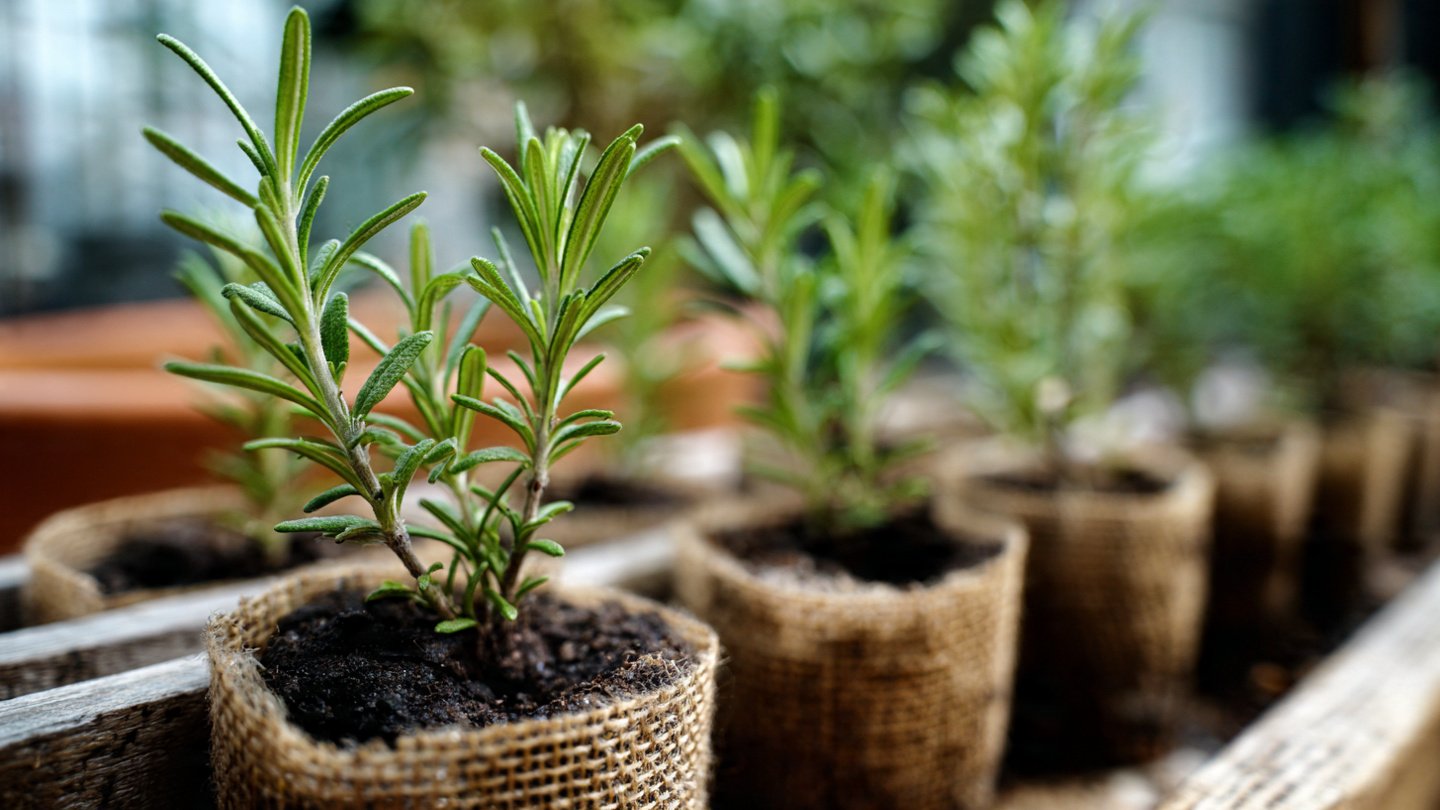
Rosemary, with its fragrant leaves and versatile culinary uses, is a staple herb in kitchens worldwide. Its aromatic flavor enhances meats, vegetables, sauces, and even breads. Beyond its culinary appeal, rosemary is also valued for its medicinal properties, including antioxidant and anti-inflammatory benefits. For gardeners and herb enthusiasts, having a steady supply of fresh rosemary is a dream—but buying it from the store repeatedly can be costly and inconvenient.
The solution is propagation, a simple method to multiply your rosemary plants and create an endless supply of this valuable herb right at home. Whether you’re a beginner or an experienced gardener, learning to propagate rosemary ensures a continuous, fresh harvest without depending on store-bought herbs. This article will guide you through the process step by step, including methods, care tips, and expert advice for success.
Why Propagate Rosemary?
Propagating rosemary has several advantages:
- Cost-effective: Growing new plants from cuttings saves money compared to buying new plants.
- Sustainable: You reduce waste and create your own herb garden sustainably.
- Guaranteed quality: Plants grown from healthy parent rosemary retain flavor and aromatic qualities.
- Continuous supply: With proper propagation, you can maintain a steady supply year-round.
- Fun and rewarding: Propagation is a simple and enjoyable gardening project that anyone can do.
Whether you have a balcony, windowsill, or backyard garden, propagating rosemary allows you to expand your herb garden without needing extra seeds or buying new plants.
Methods of Propagating Rosemary
Rosemary can be propagated through three primary methods: cuttings, layering, and seeds. While growing from seeds is possible, it takes significantly longer for plants to mature and produce usable leaves. Therefore, cuttings and layering are preferred for faster results and consistent plant quality.
1. Propagating Rosemary from Cuttings
Propagation from cuttings is the most common and efficient method. Here’s how to do it:
Step 1: Choose Healthy Stems
- Select non-flowering, healthy stems from an existing rosemary plant.
- Ideally, the stems should be 4–6 inches long and semi-hardwood, not too soft or woody.
Step 2: Prepare the Cuttings
- Remove leaves from the bottom two inches of the stem.
- Keep the top leaves intact to support photosynthesis.
Step 3: Use Rooting Medium
- Rosemary cuttings root well in well-draining soil or a mix of perlite and peat moss.
- Fill a small pot with the medium and moisten it lightly. Avoid soaking the soil.
Step 4: Plant the Cuttings
- Insert the cuttings 2–3 inches into the soil, firming gently around the base.
- Space multiple cuttings apart to ensure airflow.
Step 5: Provide Optimal Conditions
- Place the pot in indirect sunlight. Too much direct sunlight can dry the cuttings.
- Maintain moderate humidity by covering the pot with a plastic bag or using a propagation tray.
- Keep the soil slightly moist but avoid overwatering, which can cause rot.
Step 6: Wait for Roots to Form
- Roots typically develop in 3–6 weeks. You can check by gently tugging on the cutting—resistance indicates root growth.
- Once roots are established, gradually acclimate the plant to direct sunlight and transplant to a larger pot or garden bed.
2. Propagating Rosemary by Layering
Layering is another easy method for multiplying rosemary without cutting. This method uses natural growth to encourage rooting:
Step 1: Select a Low-Growing Stem
- Choose a flexible stem that can bend toward the ground.
- Ensure it’s healthy and free from disease.
Step 2: Bury the Stem
- Loosen soil where the stem touches the ground.
- Make a small trench and bury 2–3 inches of the stem, leaving the tip exposed.
Step 3: Secure the Stem
- Use a small rock, U-shaped wire, or garden staple to keep the stem in place.
- Water the area regularly to maintain slight soil moisture.
Step 4: Wait for Roots to Develop
- Roots form along the buried section in 4–8 weeks.
- Once established, the new plant can be cut from the parent plant and transplanted elsewhere.
Layering is low-maintenance and highly effective, especially for gardeners with existing rosemary plants and ample garden space.
3. Propagating Rosemary from Seeds
Growing rosemary from seeds is possible but requires patience:
- Sow seeds in well-draining soil and keep them moist.
- Germination can take 2–3 weeks or longer.
- Young seedlings are delicate and need careful watering and protection from harsh sunlight.
Seed propagation is ideal for experimentation or creating new varieties, but for a steady supply, cuttings or layering are faster and more reliable.
Tips for Successful Rosemary Propagation
Even though rosemary is hardy, attention to detail ensures high success rates.
1. Use Healthy Parent Plants
Start with disease-free, vigorous plants. Avoid cuttings from stressed or flowering stems, as these may root poorly.
2. Keep Soil Well-Drained
Rosemary is prone to root rot, so well-draining soil is critical. Using a mix of peat moss, sand, or perlite ensures excess water drains quickly.
3. Maintain Moderate Humidity
High humidity encourages root development in cuttings. Covering cuttings with a plastic bag or using a propagation dome helps retain moisture while allowing airflow.
4. Avoid Overwatering
While moisture is essential, soggy soil can kill cuttings. Water lightly and check soil before adding more.
5. Provide Indirect Sunlight
Young rosemary plants need light for photosynthesis but not the full intensity of direct sun. Once roots are established, gradually expose plants to full sunlight.
6. Use Rooting Hormones (Optional)
Applying a rooting hormone can increase the success rate and speed up root formation, especially for beginners or delicate cuttings.
Caring for Newly Propagated Rosemary Plants
Once your rosemary cuttings or layered plants establish roots, ongoing care ensures they thrive and produce leaves abundantly:
- Transplant Carefully: Move rooted plants into larger pots or garden beds with nutrient-rich, well-draining soil.
- Water Wisely: Water deeply but infrequently. Allow the soil to dry slightly between waterings.
- Sunlight Exposure: Rosemary requires 6–8 hours of direct sunlight daily for optimal growth.
- Pruning: Regular pruning encourages bushy growth and prevents the plant from becoming leggy.
- Fertilization: Apply balanced fertilizers or organic compost periodically to boost leaf growth.
- Pest Control: Rosemary is relatively pest-resistant, but occasional aphids or spider mites can be treated with neem oil or insecticidal soap.
With proper care, propagated rosemary plants can mature in 3–6 months, providing leaves for cooking and herbal use.
Expanding Your Rosemary Supply
One of the joys of propagation is creating an endless supply of herbs. Once you’ve mastered cuttings or layering, you can:
- Continuously propagate new plants to expand your garden.
- Share rosemary with friends, family, or neighbors.
- Create container herb gardens, vertical herb walls, or balcony setups for fresh leaves year-round.
By rotating propagation and harvesting, you maintain a constant supply without ever running out.
Culinary and Medicinal Benefits
Having an endless rosemary supply adds value beyond gardening:
- Culinary Uses: Fresh leaves enhance roasted meats, vegetables, sauces, soups, and breads.
- Aromatherapy: Rosemary has a soothing, invigorating scent for stress relief.
- Medicinal Properties: Antioxidant, anti-inflammatory, and memory-boosting effects make it valuable for wellness.
Propagating rosemary ensures you can enjoy these benefits at home, anytime.
Conclusion
Propagating rosemary is a simple, rewarding, and cost-effective way to ensure a steady supply of fresh herbs at home. By using cuttings, layering, or seeds, you can multiply your plants and enjoy the culinary, aromatic, and medicinal benefits of rosemary without relying on store-bought herbs.
Key Takeaways for Successful Propagation:
- Select healthy stems for cuttings or layering.
- Use well-draining soil and maintain moderate moisture.
- Provide indirect sunlight during root formation.
- Prune and care for new plants to encourage bushy growth.
- Harvest leaves regularly to stimulate continuous production.
Whether you’re a beginner or an experienced gardener, these techniques make it possible to create an endless rosemary supply, enriching your meals and herbal remedies year-round. By propagating rosemary, you transform a single plant into a thriving herb garden, ensuring that fresh, flavorful leaves are always within reach.