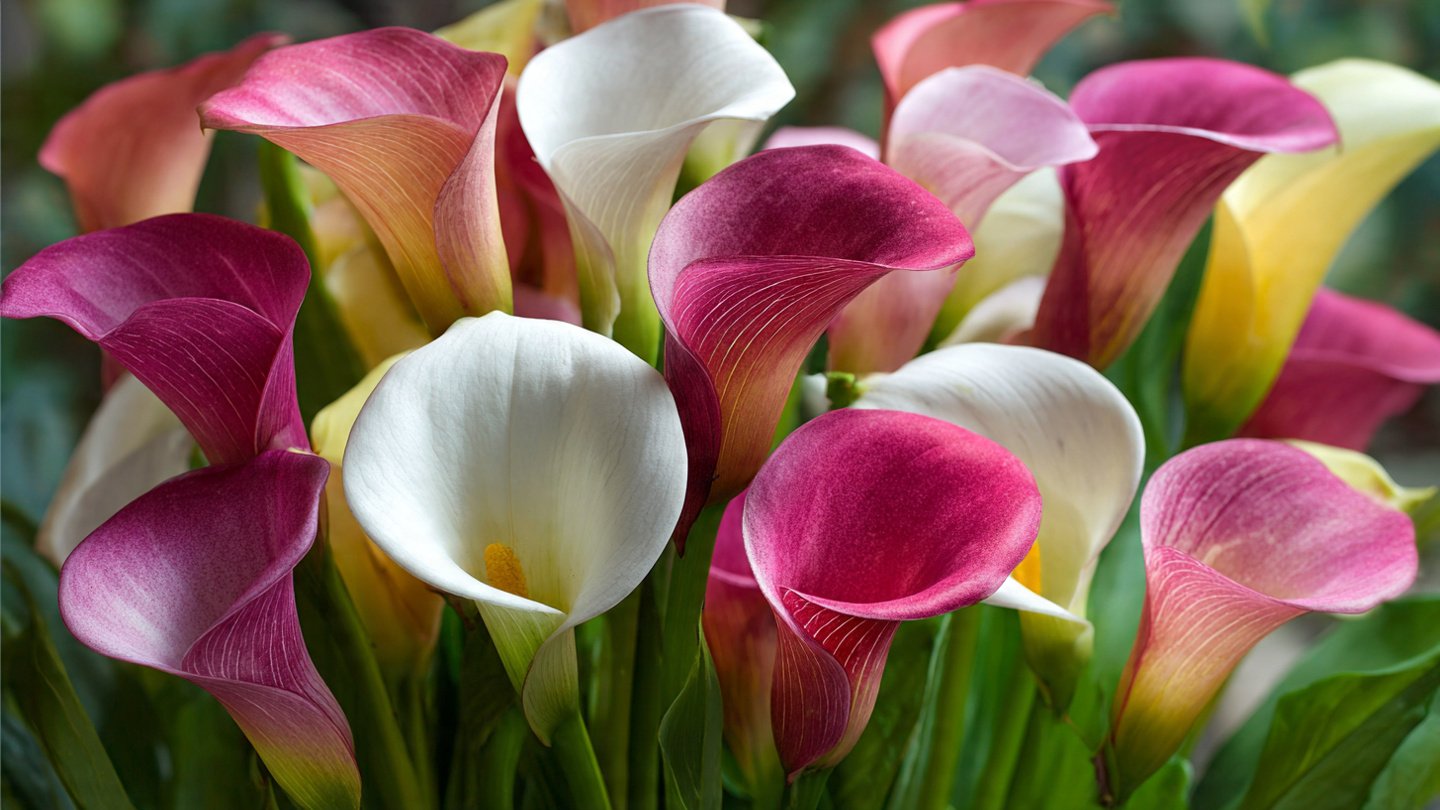
Calla lilies are among the most elegant flowering plants you can grow, prized for their sculptural blooms, rich colors, and long-lasting beauty. Whether grown in garden beds, containers, or as indoor accent plants, calla lilies bring a refined charm to any space. However, achieving consistent, gorgeous blooms requires more than simply planting the rhizomes. Proper planting techniques, correct growing conditions, and an understanding of pollination play a crucial role in their success.
This guide walks you step by step through planting calla lilies correctly and mastering pollination to ensure healthy plants and stunning flowers season after season.
Understanding Calla Lilies
Calla lilies (Zantedeschia) are not true lilies but belong to the arum family. They grow from rhizomes and thrive in warm, well-drained conditions.
Key characteristics:
- Grown as perennials in warm climates
- Popular as annuals in cooler regions
- Known for trumpet-shaped spathes surrounding a central spadix
- Available in white, yellow, pink, purple, orange, and deep burgundy
Understanding their growth habits helps you provide the right care from the start.
Choosing Healthy Calla Lily Rhizomes
The quality of your rhizomes determines the quality of your blooms.
What to Look For
- Firm, plump rhizomes
- No soft spots or mold
- Visible growth points (eyes)
Avoid shriveled or damaged rhizomes, as they often struggle to sprout or flower.
When to Plant Calla Lilies
Timing is critical for successful planting.
- Outdoor planting: Plant after the danger of frost has passed
- Soil temperature: Ideally above 60°F (15°C)
- Indoor or container planting: Can be started earlier and moved outdoors later
In warm climates, calla lilies can be planted almost year-round, while cooler regions benefit from spring planting.
Selecting the Perfect Planting Location
Sunlight Requirements
- Full sun to partial shade
- Morning sun with afternoon shade is ideal in hot climates
- Too much shade reduces flowering
Soil Conditions
- Well-draining, fertile soil
- Slightly acidic to neutral pH
- Rich in organic matter
Poor drainage is one of the most common causes of failure, leading to rhizome rot.
Preparing the Soil Properly
Healthy soil supports strong roots and abundant blooms.
Soil Preparation Steps
- Loosen soil 8–10 inches deep
- Mix in compost or well-rotted manure
- Add sand or perlite if soil is heavy
- Ensure drainage holes for containers
Soil preparation ensures proper aeration, moisture retention, and nutrient availability.
How to Plant Calla Lily Rhizomes
Step-by-Step Planting
- Dig holes 3–4 inches deep
- Place rhizomes with the growing points facing upward
- Space plants 12–18 inches apart
- Cover lightly with soil
- Water gently but thoroughly
Avoid planting too deep, as this delays sprouting and flowering.
Watering After Planting
Water management is essential during early growth.
- Keep soil slightly moist, not soggy
- Reduce watering until shoots appear
- Increase watering once leaves develop
Overwatering before sprouting is a common mistake that leads to rot.
Fertilizing for Strong Growth and Blooms
Calla lilies are moderate feeders.
Fertilizer Tips
- Use balanced fertilizer during early growth
- Switch to low-nitrogen fertilizer once buds form
- Avoid excess nitrogen, which causes leafy growth but few flowers
Feed every 2–3 weeks during the growing season for best results.
Understanding Calla Lily Flowers and Pollination
Calla lily flowers consist of two main parts:
- Spathe: The colorful, petal-like structure
- Spadix: The central spike containing tiny flowers
Pollination occurs when pollen from male flowers is transferred to female flowers on the spadix.
Natural Pollination in Calla Lilies
In outdoor gardens, pollination is usually handled by:
- Bees
- Flies
- Other insects attracted to the spadix
Healthy pollination results in seed formation, though seed production is not necessary for blooms.
How Pollination Affects Bloom Quality
While pollination does not increase the number of flowers, it influences:
- Flower longevity
- Overall plant vigor
- Rhizome energy storage for future seasons
Proper pollination helps the plant complete its natural reproductive cycle efficiently.
Hand Pollination for Indoor or Container Calla Lilies
Indoor plants often lack pollinators, making hand pollination beneficial.
How to Hand Pollinate
- Identify mature flowers with visible pollen
- Use a soft brush or cotton swab
- Gently transfer pollen to the female portion of the spadix
- Repeat over several days for best results
Hand pollination ensures successful fertilization, especially for seed saving or breeding.
Encouraging Better Pollination Naturally
To improve pollination success:
- Grow calla lilies outdoors when possible
- Avoid pesticide use during flowering
- Provide nearby flowering plants to attract insects
- Maintain proper watering and nutrition
Healthy plants produce more viable pollen and receptive flowers.
Common Pollination and Bloom Problems
Flower Drop
- Caused by heat stress or water imbalance
- Improve airflow and consistent watering
No Blooms
- Too much nitrogen
- Insufficient sunlight
- Immature rhizomes
Short Bloom Duration
- Temperature extremes
- Poor soil nutrition
Addressing these issues restores bloom performance.
Pruning and Deadheading
Remove spent flowers by cutting at the base of the stem. This:
- Improves appearance
- Prevents energy waste
- Encourages new growth
Allow foliage to remain until it yellows naturally, as leaves feed the rhizome.
Seasonal Care After Blooming
Once flowering ends:
- Reduce watering gradually
- Allow foliage to die back naturally
- In cooler climates, lift rhizomes and store them dry
- In warm regions, mulch and leave in ground
Proper dormancy care ensures strong blooms next season.
Growing Calla Lilies in Containers
Containers offer flexibility and control.
Tips:
- Use deep pots with drainage holes
- Choose rich, loose potting mix
- Move containers to protect from extreme weather
Container-grown calla lilies benefit greatly from hand pollination.
Common Mistakes to Avoid
- Overwatering before sprouting
- Planting rhizomes upside down
- Excess nitrogen fertilizer
- Ignoring drainage
- Cutting leaves too early
Avoiding these mistakes dramatically improves bloom quality.
Conclusion
Planting calla lilies correctly and understanding pollination are the keys to producing gorgeous, long-lasting blooms. From selecting healthy rhizomes and preparing the soil to mastering watering, feeding, and pollination techniques, every step contributes to the plant’s success.
Whether grown in garden beds or elegant containers, calla lilies reward attentive care with striking flowers that elevate any landscape or indoor space. By mastering both planting and pollination, you ensure not just beautiful blooms this season—but stronger plants and even better displays in the years to come.