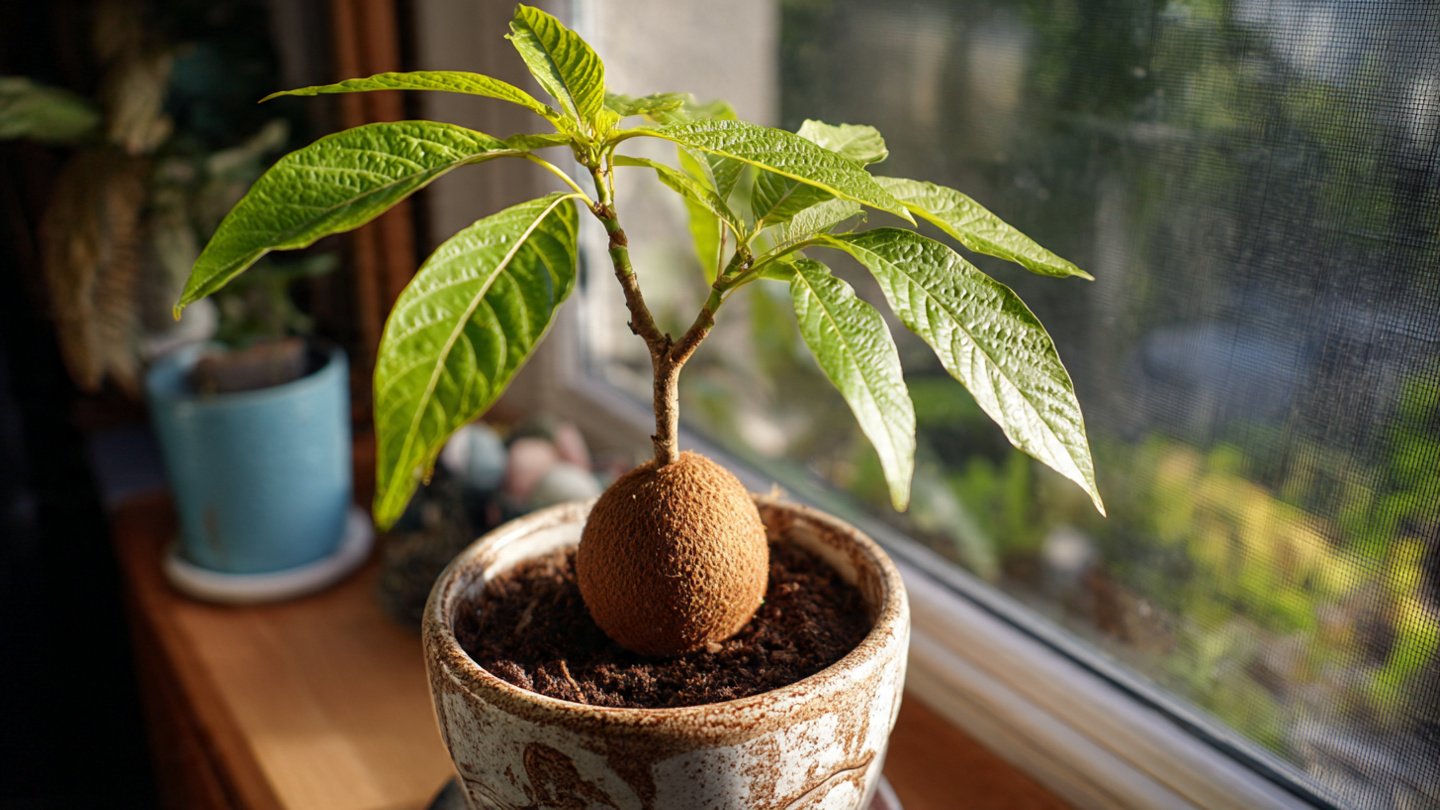
Avocados are not just delicious—they’re also packed with nutrients and a favorite in kitchens around the world. While buying avocado fruit is easy, growing your own avocado tree at home can be a fun and rewarding experience. It all starts with the humble avocado pit. With the right care, patience, and a little know-how, you can transform that pit into a thriving avocado plant that adds beauty to your home and, eventually, may even produce fruit.
This complete guide will walk you through every step of planting an avocado pit and nurturing it into a healthy, vibrant plant.
Step 1: Choosing the Right Avocado Pit
The journey begins with selecting a good avocado pit. Not all pits are created equal, and choosing the right one increases your chances of success.
- Select a Healthy Avocado: Pick a ripe avocado from a trusted source. Look for fruit that is free of bruises or mold.
- Remove the Pit Carefully: Slice the avocado carefully and scoop out the pit without cutting it. Avoid damaging the brown skin on the pit, as it protects the embryo inside.
- Clean the Pit: Rinse the pit under lukewarm water to remove any fruit residue. Avoid using soap or chemicals, as these can harm the seed.
Step 2: Preparing the Pit for Growth
Avocado pits need a little preparation before planting. There are two popular methods to start the growth process: water germination and direct soil planting.
Water Germination Method
This method allows you to watch the pit sprout roots and is perfect for beginners:
- Insert 3–4 toothpicks evenly around the middle of the pit. These toothpicks will act as supports when suspending the pit over water.
- Fill a glass or jar with room-temperature water.
- Suspend the pit with the toothpicks so that the bottom (wider end) is submerged in water, while the top remains dry.
- Place the jar in a bright, warm spot, avoiding direct sunlight.
- Change the water every 2–3 days to prevent bacterial growth.
Roots and a sprout will usually appear within 2–6 weeks, though some pits may take longer. Patience is key!
Direct Soil Planting Method
If you prefer not to use water, you can plant directly in soil:
- Fill a small pot with well-draining potting mix.
- Plant the pit halfway in the soil, leaving the top half exposed.
- Water lightly to keep the soil moist, not soggy.
- Place the pot in a warm, sunny location.
While this method takes longer for sprouts to appear, it reduces the risk of transplant shock later.
Step 3: Identifying the Top and Bottom of the Pit
Understanding which end is which is crucial for successful growth:
- The wider, rounder end is the bottom. Roots will emerge from this end.
- The pointed end is the top. The shoot will grow upward from here.
Planting the pit upside down is a common mistake and can prevent successful germination.
Step 4: Transplanting to Soil
Once your avocado pit has developed a healthy root system (about 3–4 inches long) and a visible sprout, it’s time to transplant it to a pot with soil:
- Choose a pot with drainage holes to prevent waterlogging.
- Fill the pot with nutrient-rich, well-draining potting mix, ideally with compost for extra fertility.
- Make a hole in the center and gently place the pit, ensuring the roots are covered but the top remains above soil.
- Water lightly to settle the soil around the roots.
Step 5: Choosing the Right Location
Avocado plants need plenty of light to grow strong:
- Indoors: Place your pot near a south-facing window to receive 6–8 hours of sunlight per day.
- Outdoors: If you live in a warm climate, gradually acclimate the young plant to outdoor conditions before planting it in the garden.
If sunlight is limited indoors, consider using a full-spectrum grow light to support healthy growth.
Step 6: Watering Your Avocado Plant
Proper watering is essential for the health of your avocado plant:
- Keep the soil consistently moist, especially during the early stages of growth.
- Avoid waterlogging, which can lead to root rot.
- As the plant matures, allow the top inch of soil to dry out slightly between waterings.
Tip: Using a pot with drainage holes and a saucer underneath helps prevent excess water from sitting around the roots.
Step 7: Fertilizing for Healthy Growth
Avocado plants benefit from regular feeding:
- Young Plants: Use a balanced, water-soluble fertilizer every 2–4 weeks during the growing season.
- Mature Plants: Switch to a fertilizer higher in nitrogen to encourage leafy growth.
- Organic options like compost tea, fish emulsion, or worm castings are gentle and effective.
Avoid over-fertilizing, which can burn the roots and damage the plant.
Step 8: Pruning and Maintenance
Pruning helps shape your avocado plant and encourages a fuller, bushier growth:
- Pinch off the top stem once the plant reaches 12 inches to encourage lateral branches.
- Remove any yellowing or dead leaves to maintain plant health.
- Support taller plants with stakes to prevent tipping over, especially if grown indoors.
Step 9: Patience is Key
Growing an avocado plant from a pit requires patience:
- Leaf Growth: You’ll start seeing leaves within a few weeks to months.
- Mature Plant: Indoor plants may take several years to reach full height, often 3–6 feet in a container.
- Fruit Production: Growing from a pit may take 5–13 years to produce fruit, and some trees never bear fruit indoors. However, the plant itself is an attractive, leafy houseplant even without fruit.
Step 10: Pest and Disease Management
Indoor avocado plants are relatively hardy but can encounter pests:
- Common Pests: Spider mites, aphids, and scale insects.
- Prevention: Keep leaves clean, avoid overwatering, and ensure proper air circulation.
- Treatment: Spray with neem oil or insecticidal soap if infestations occur.
Regular inspection and maintenance help prevent minor issues from becoming serious problems.
Step 11: Tips for Successful Growth
- Rotate Your Plant: Turn the pot occasionally to ensure even growth on all sides.
- Humidity: Indoor air can be dry; misting the plant helps prevent leaf curl.
- Temperature: Keep your avocado above 60°F (15°C) for optimal growth.
- Support Growth: For indoor climbing, use a small trellis or stake as the plant matures.
- Repotting: Move to a larger pot every 1–2 years as the plant grows, adding fresh soil each time.
Step 12: Creative Uses for Your Avocado Plant
Growing an avocado pit at home is not just about the potential fruit:
- Houseplant Appeal: Its lush, green leaves brighten any indoor space.
- Educational Project: Fun for kids to learn about plant growth and biology.
- Eco-Friendly Gardening: Reduces reliance on store-bought seedlings or plants.
- Culinary Fun: If your plant eventually bears fruit, you’ll have homegrown avocados for salads, guacamole, and smoothies.
Even if fruit doesn’t develop, your plant provides greenery and a rewarding indoor gardening experience.
Step 13: Troubleshooting Common Issues
- No Sprout: Ensure the pit is fresh and warm. Some seeds may be dormant.
- Roots Rotting in Water: Change water frequently and avoid submerging the top of the pit.
- Yellow Leaves: Usually caused by overwatering or lack of nutrients.
- Leggy Growth: Insufficient light can cause weak, spindly stems. Move the plant to brighter conditions.
Patience and observation are key. Each pit behaves differently, so adjust care as needed.
Conclusion
Growing an avocado pit at home is a fun, rewarding, and educational journey. With the right steps—choosing a healthy pit, starting it in water, transplanting into soil, providing sunlight, and proper care—you can nurture a tiny seed into a thriving, leafy plant. While fruiting may take years and is not guaranteed indoors, the beauty, greenery, and satisfaction of watching a plant grow from a single pit are worth the effort.
By following this complete guide, you’ll not only succeed in growing an avocado plant at home but also gain a deeper connection to your food and the joy of gardening. Whether placed by a sunny window or nurtured in a container garden, your homegrown avocado plant is a living testament to patience, care, and the magic of nature.
So grab that avocado pit, prepare your jar of water or a cozy pot, and start this exciting indoor gardening adventure today!