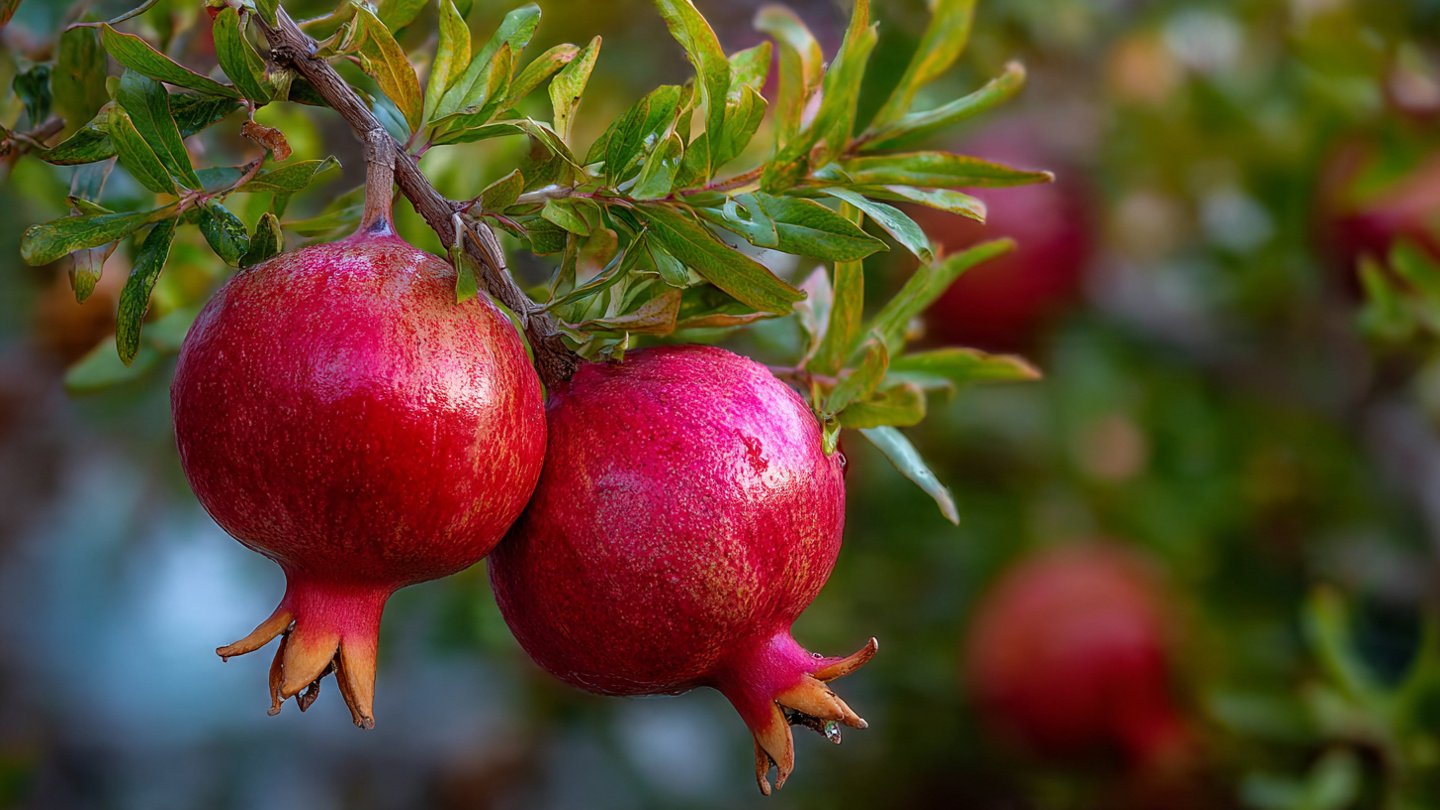
Pomegranate trees (Punica granatum) are cherished not only for their vibrant, ruby-red fruits but also for their striking ornamental appeal. However, pomegranate trees are vigorous growers, and without proper management, they can become overgrown, shading other plants, taking up excessive space, and even reducing fruit quality. Controlling the size of a pomegranate tree is therefore essential for maintaining a healthy, productive, and aesthetically pleasing garden.
Many gardeners assume that controlling tree size requires chemical growth regulators or aggressive pruning. In reality, natural methods can effectively manage pomegranate tree growth while improving flowering, fruiting, and overall tree health. This guide explores practical techniques to naturally control pomegranate tree size and maintain a manageable garden.
Why Size Control Is Important for Pomegranate Trees
Before discussing techniques, it is important to understand why controlling pomegranate tree size matters.
1. Encourages Better Fruit Production
Pomegranates produce flowers and fruits on new growth. If the tree becomes overly dense, sunlight penetration decreases, reducing flowering and fruit set. A naturally pruned and well-managed tree promotes healthy, high-quality fruit production.
2. Reduces Pest and Disease Risks
Dense, overgrown trees create humid microclimates that favor pests and fungal diseases. Controlling tree size ensures good airflow, reducing the likelihood of infections and infestations.
3. Makes Harvesting Easier
A compact, manageable tree allows easier access to fruits without the need for ladders or excessive effort, reducing fruit damage during harvest.
4. Enhances Garden Aesthetics
Maintaining a balanced, proportional tree complements the garden layout, preventing one plant from overwhelming others.
1. Select a Naturally Compact Variety
The first step in controlling tree size is selecting the right cultivar. Some pomegranate varieties are naturally dwarf or compact, making them ideal for home gardens.
Recommended compact varieties:
- ‘Parfianka’: Moderately sized, highly productive
- ‘Nana’: Dwarf ornamental variety, ideal for small spaces
- ‘Wonderful’: Can be maintained at manageable size with proper pruning
Choosing the right variety reduces the need for drastic size control later.
2. Strategic Pruning for Natural Size Control
Pruning is the most effective natural method for controlling pomegranate tree size. The goal is to balance vegetative growth, encourage branching, and maintain a manageable height.
Best Practices for Pomegranate Pruning
- Prune Young Trees to Encourage Strong Structure
- Remove weak or inward-growing shoots
- Train the main branches outward
- Maintain 3–5 main scaffold branches to create an open, vase-like canopy
- Annual Maintenance Pruning
- Remove dead, damaged, or crossing branches
- Thin the canopy to improve airflow and sunlight penetration
- Cut back overly vigorous shoots to keep height and width manageable
- Timing of Pruning
- Late winter or early spring before new growth begins
- Avoid heavy pruning during flowering or fruiting
Techniques for Size Control
- Heading Cuts: Trim branch tips to limit vertical growth
- Thinning Cuts: Remove entire shoots or branches to reduce density
- Renewal Pruning: Remove old wood to encourage new growth, which is more productive
3. Root Pruning
Root pruning is a natural method that influences overall tree vigor and size without relying on chemicals.
How Root Pruning Works
- Gradually trimming feeder roots reduces nutrient and water uptake
- Limits excessive vegetative growth
- Encourages fruiting over leafy expansion
How to Root Prune
- Done in late winter or early spring
- Dig a shallow trench around the drip line of the tree
- Cut 10–20% of the feeder roots evenly around the tree
- Backfill with soil and water thoroughly
Note: Avoid over-pruning roots, as this can stress the tree.
4. Use Container Growing for Size Management
Growing pomegranates in containers naturally restricts root growth, which in turn limits tree size. This is especially effective for small gardens or patios.
Container Tips:
- Use large, well-draining pots
- Choose dwarf varieties if possible
- Regularly prune both roots and branches
- Re-pot every 2–3 years to prevent root binding
Container-grown pomegranates remain naturally compact while producing healthy fruits.
5. Controlled Watering
Water availability directly influences vegetative growth in pomegranate trees. Overwatering encourages excessive leafy growth, while controlled watering can naturally limit size and promote fruiting.
Watering Guidelines
- Water deeply but infrequently during fruiting
- Reduce water slightly after fruit set to moderate vegetative growth
- Avoid constant shallow watering, which favors leaf expansion over flowering
Controlled irrigation also enhances fruit sweetness and quality.
6. Balanced Fertilization
Fertilization affects tree size and productivity. Excess nitrogen leads to rampant leaf growth, making the tree larger and less productive.
Natural Fertilization Tips
- Use compost or well-rotted organic matter
- Apply balanced nutrients: moderate nitrogen, sufficient phosphorus, and potassium for flowering and fruit development
- Avoid high-nitrogen fertilizers during the vegetative growth period
- Incorporate foliar sprays with micronutrients like calcium and magnesium for overall tree health
Balanced nutrition maintains a manageable tree size while supporting flowering and fruiting.
7. Canopy Training
Training the canopy is a subtle but effective technique for size management.
Methods
- Open-center or vase shape: Encourages outward growth and sunlight penetration
- Single trunk with lateral branches: Prevents vertical overgrowth
- Tying or bending branches: Gently redirecting growth can control height and improve fruiting
This approach works well alongside pruning and ensures a naturally proportional tree without excessive cutting.
8. Mulching
Mulching is a simple natural technique that influences growth and maintains tree health.
Benefits
- Retains soil moisture, reducing stress
- Moderates soil temperature
- Encourages root development near the soil surface rather than deep, aggressive roots
- Reduces weed competition
Organic mulches, such as straw, wood chips, or compost, provide nutrients and help maintain a moderate growth rate.
9. Regular Observation and Maintenance
Controlling pomegranate tree size is an ongoing process. Regular observation helps identify vigorous shoots, unwanted height growth, and crowded branches.
Practical Tips
- Inspect tree monthly during growing season
- Mark or prune shoots that exceed desired height
- Adjust watering and fertilization based on tree vigor
- Remove suckers emerging from the base to prevent uncontrolled spreading
Consistent care ensures the tree remains healthy, productive, and manageable over the years.
10. Combine Techniques for Best Results
While each method is effective individually, combining multiple natural techniques yields the best results:
- Start with a dwarf or manageable variety
- Train the canopy and prune annually
- Use container growing or root pruning if space is limited
- Apply balanced fertilization and controlled irrigation
- Mulch and maintain airflow through thinning
By integrating these methods, gardeners can maintain a healthy, compact pomegranate tree that produces abundant, high-quality fruit.
Benefits of Naturally Controlling Pomegranate Tree Size
Natural size control offers multiple advantages:
- Sustains long-term tree health
- Promotes optimal flowering and fruiting
- Reduces the need for chemical growth regulators
- Makes harvesting and maintenance easier
- Keeps the garden aesthetically pleasing
This approach aligns with sustainable gardening principles and ensures productive trees for years to come.
Final Thoughts
Controlling pomegranate tree size doesn’t have to be difficult or reliant on chemicals. With careful selection, pruning, root management, and cultural practices, you can naturally maintain a healthy, manageable, and productive tree in any garden. Whether you grow pomegranates for fruit, decoration, or both, applying these techniques ensures a well-balanced tree that fits beautifully into your garden while delivering abundant, high-quality fruits.
With consistent care, your pomegranate tree can thrive in harmony with the rest of your garden—vibrant, compact, and naturally productive.