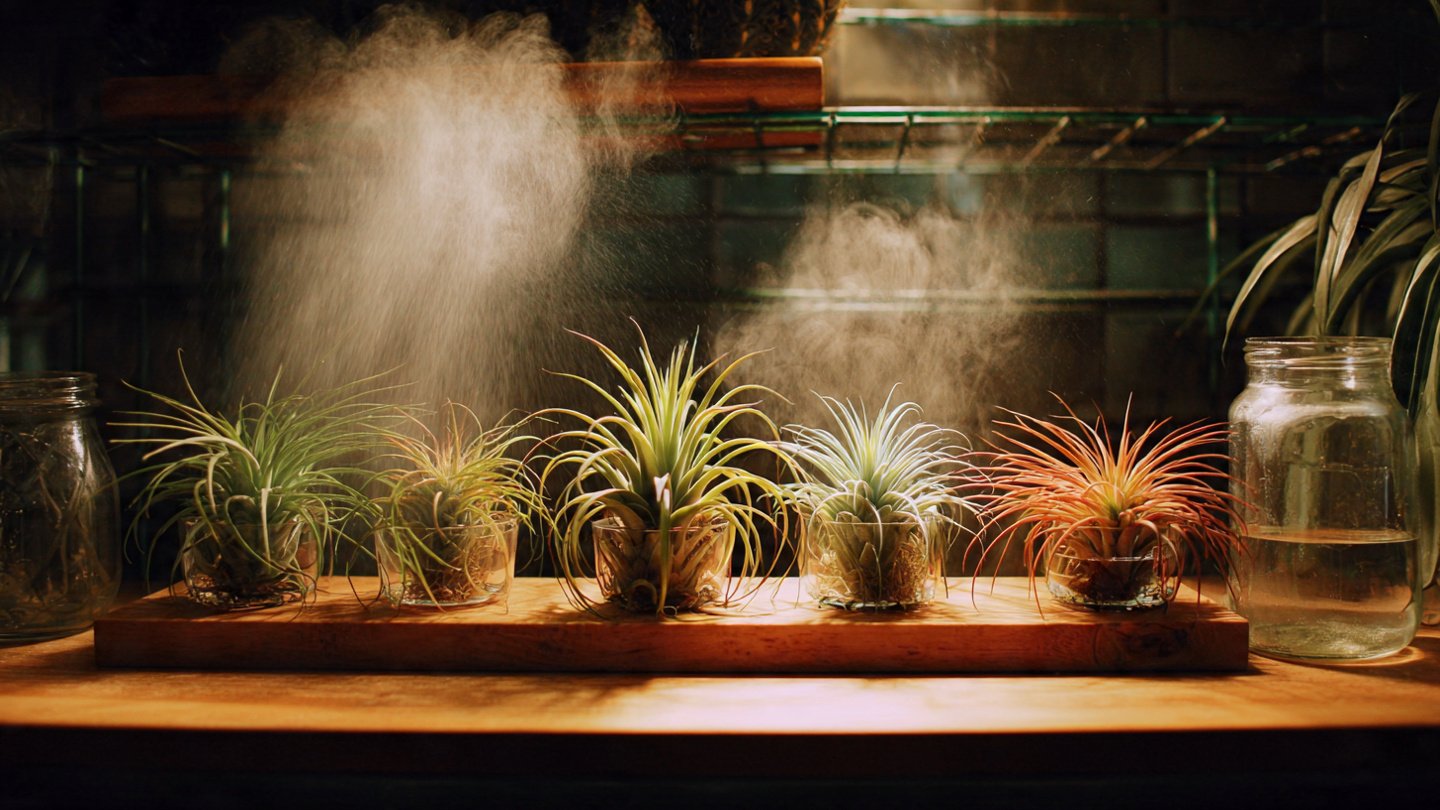
Air plants, scientifically known as Tillandsia, are among the most fascinating and low-maintenance indoor plants. Unlike most plants, they don’t rely on soil to grow—they absorb water and nutrients through their leaves. This unique characteristic makes mist care crucial for their health. Mist them too little, and they may dry out; mist them too much, and they risk rot. Knowing how to mist air plants correctly is key to maintaining their vibrant, healthy growth.
This guide will provide a step-by-step approach, expert tips, and common mistakes to avoid so your air plants can thrive indoors.
Understanding Air Plants and Their Water Needs
Air plants are epiphytes, which means they naturally grow on trees, rocks, or other surfaces without soil. In the wild, they get moisture from rain, dew, and humidity.
Indoor air plants need a similar environment. While they can tolerate brief periods of dryness, consistent hydration is essential. Mist watering is one of the most popular methods because it mimics natural rainfall and helps maintain the delicate balance of moisture.
Why Misting Is Important
Misting helps air plants in several ways:
- Hydration – Provides water directly to the leaves, which is their main source of moisture.
- Humidity Maintenance – Many air plants thrive in 50–70% humidity; misting raises humidity in dry indoor environments.
- Prevent Leaf Shriveling – Dry air can cause leaves to curl or turn brown.
- Support Growth and Flowering – Proper hydration ensures energy for producing vibrant flowers and pups (new plant offsets).
Step 1: Choose the Right Mist
The type of water you use is as important as the misting technique itself.
Best Water for Air Plants
- Rainwater: Ideal for nutrient content and pH balance.
- Filtered or Distilled Water: Free from chlorine and chemicals found in tap water.
- Avoid Hard Tap Water: High mineral content can leave white deposits and harm plants.
Water Temperature
Use room-temperature water. Extremely cold or hot water can shock the plant and stunt growth.
Step 2: Use the Right Mist Technique
Spray Bottle
A fine mist spray bottle is ideal for watering air plants.
How to Mist Correctly:
- Hold the spray bottle 6–12 inches away from the plant.
- Mist the leaves evenly until they glisten lightly. Avoid drenching the base.
- Allow excess water to drip away; never let the plant sit in standing water.
Frequency of Misting
The right frequency depends on your environment:
- High Humidity (above 60%): Mist 1–2 times per week
- Average Indoor Humidity (40–60%): Mist 2–3 times per week
- Low Humidity (below 40%): Mist daily or supplement with soaking once a week
Remember: it’s better to underwater than overwater. Over-misting can cause rot and fungal growth.
Step 3: Adjusting for Seasonal Changes
Air plant water requirements vary with the seasons:
- Spring and Summer: Active growth period, needs more frequent misting or occasional soaking.
- Autumn and Winter: Slower growth, reduce misting to prevent waterlogging.
Always observe your plant—leaf color, texture, and firmness will guide your adjustments.
Step 4: Allow Proper Drying
Drying is just as important as misting.
- After misting, place air plants in a bright area with good airflow.
- Rotate or move them to ensure all leaves dry within 3–4 hours.
- Never place plants in closed terrariums with water still on leaves, as this causes rot.
Step 5: Combining Misting With Soaking
Misting alone may not be enough for some species, especially:
- Tillandsia xerographica
- Tillandsia ionantha
Soaking Method:
- Fill a bowl with room-temperature water.
- Submerge the air plant for 20–30 minutes once a week (or bi-weekly in dry conditions).
- Shake gently to remove excess water and allow to dry completely.
Misting can be used between soakings to maintain humidity.
Step 6: Tips for Thriving Air Plants
- Rotate Plants – Ensure all sides get light and mist exposure.
- Use Gentle Water Pressure – Strong sprays can damage delicate leaves.
- Avoid Direct Sun During Misting – Mist in the morning or late afternoon; direct sun on wet leaves can burn them.
- Keep Leaves Free of Dust – Dust prevents water absorption; rinse lightly when needed.
- Watch for Pups – Healthy misting encourages new plant growth.
Common Mistakes to Avoid
Overwatering
- Symptoms: Brown, soggy leaves; rotting base
- Solution: Reduce misting and increase airflow
Underwatering
- Symptoms: Shriveling, dry, crispy leaves
- Solution: Increase misting frequency or soak once a week
Using Hard or Chlorinated Water
- Symptoms: White residue or leaf tip burn
- Solution: Switch to filtered, distilled, or rainwater
Poor Air Circulation
- Symptoms: Fungal growth or mold
- Solution: Ensure plants dry completely and have proper airflow
How to Know If Your Misting Technique Works
Check these indicators:
- Leaves remain plump and firm
- No signs of rot or fungal growth
- New growth appears in the form of small pups or emerging leaves
- Vibrant color is maintained
Adjust your misting routine based on these signs rather than a strict schedule.
Air Plants in Different Indoor Environments
- Terrariums: Mist more frequently, avoid closed containers.
- Mounted on Driftwood or Rocks: Mist daily in dry conditions; ensure proper drainage underneath.
- Hanging Air Plants: Rotate and mist evenly; hanging allows excellent airflow.
Bonus Tips for Healthy Growth
- Fertilize occasionally with bromeliad or air plant fertilizer diluted to ¼ strength.
- Mist plants in the morning to give leaves time to dry.
- Inspect plants regularly for pests like mealybugs or aphids.
- Avoid misting directly over electrical or decorative items in indoor displays.
Final Thoughts
Misting air plants may seem simple, but doing it correctly can make the difference between a struggling plant and a thriving one. These resilient plants reward careful attention with vibrant colors, unique textures, and occasional stunning blooms.
By following these steps—choosing the right water, misting technique, frequency, and ensuring proper drying—you can enjoy healthy air plants all year round. Mist wisely, observe your plants, and your indoor garden will flourish like never before.