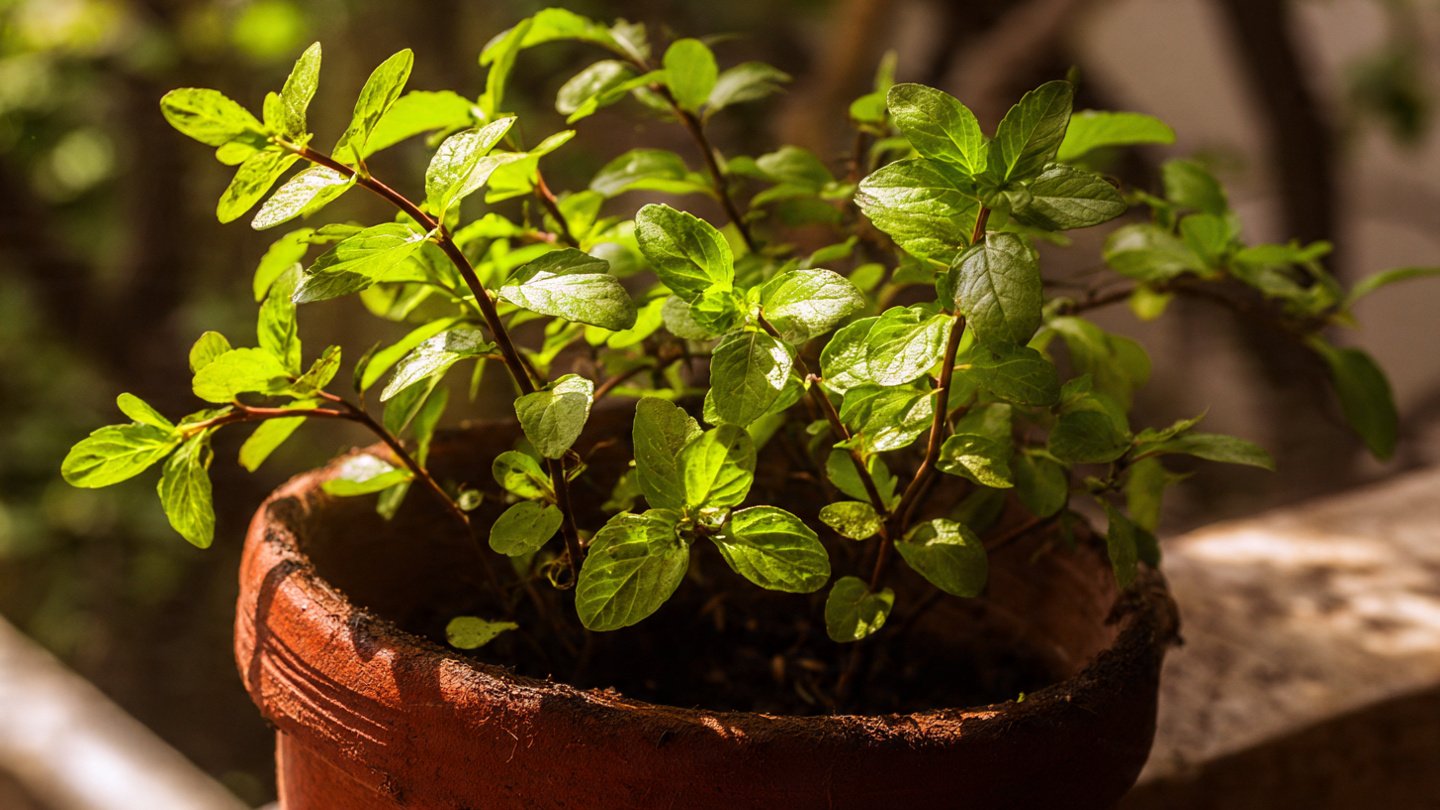
Tulsi (Ocimum sanctum), also known as holy basil, is more than just a fragrant herb—it is a sacred plant revered for its medicinal properties, spiritual significance, and culinary uses. Many home gardeners aspire to grow a thick, leafy Tulsi plant that thrives year-round. Yet, achieving a lush, dense plant requires more than occasional watering; it demands an understanding of its natural growth requirements, soil needs, sunlight, and care routines.
If your Tulsi is looking sparse, leggy, or struggling to produce ample leaves, this guide will provide natural, effective strategies to make your Tulsi plant thick, leafy, and vibrant.
Understanding Tulsi’s Growth Habit
Tulsi is a perennial herb that grows upright, with a bushy appearance when healthy. However, without proper care, it can become:
- Leggy, with long stems and few leaves
- Susceptible to pests and diseases
- Weak and less aromatic
The key to a thick, leafy Tulsi lies in stimulating lateral growth, maintaining soil fertility, and encouraging strong root development. By mimicking its natural habitat, you can help your plant flourish naturally.
Choose the Right Variety
Tulsi comes in several varieties, including:
- Rama Tulsi – Green leaves, slightly sweet aroma, ideal for culinary use.
- Krishna Tulsi – Dark purple leaves, strong medicinal properties.
- Vana Tulsi – Wild variety, hardy and aromatic.
Selecting a variety suited to your climate ensures faster growth and a healthier plant. For instance, Rama Tulsi thrives in warm, sunny areas, while Krishna Tulsi can tolerate partial shade.
Step 1: Provide Adequate Sunlight
Sunlight is critical for Tulsi’s growth. Lack of light results in sparse, weak stems and fewer leaves. For optimal growth:
- Ensure 6–8 hours of direct sunlight daily.
- If growing indoors, place the plant near a south-facing window.
- Use grow lights if natural sunlight is insufficient, especially during winter months.
Sunlight not only enhances leaf production but also strengthens stems, making the plant bushier and more robust.
Step 2: Use Nutrient-Rich Soil
Tulsi thrives in well-draining, fertile soil. Nutrient-poor soil leads to slow growth and thin foliage. Tips for ideal soil:
- Mix garden soil with compost or organic manure (1:1 ratio).
- Ensure good drainage to prevent waterlogging, which can rot roots.
- Maintain soil pH between 6 and 7, slightly acidic to neutral.
A healthy root system supported by rich soil is essential for dense leaf growth.
Step 3: Water Properly
Overwatering or underwatering can both hinder growth:
- Water moderately, keeping the soil moist but not soggy.
- Reduce watering in winter when the plant’s growth slows.
- Use a mulch layer (dry leaves or straw) to retain moisture and regulate soil temperature.
Consistent moisture encourages leaf expansion and supports thicker growth without causing fungal issues.
Step 4: Regular Pruning for Bushier Growth
Pruning is one of the most effective natural ways to make Tulsi thick and leafy:
- Pinch off the top 2–3 inches of the stems once the plant reaches 6–8 inches in height.
- Remove flower buds early to prevent energy diversion into flowering.
- Trim sparse or weak stems to stimulate lateral branching.
Proper pruning redirects energy from vertical growth to leaf production, resulting in a dense, lush plant.
Step 5: Fertilize Naturally
Organic fertilizers nourish the soil without harming beneficial microbes. Some natural options for Tulsi include:
- Compost – Improves soil structure and adds essential nutrients.
- Cow dung or vermicompost – Rich in nitrogen, promoting green, leafy growth.
- Liquid organic fertilizers – Diluted molasses water or compost tea encourages microbial activity and leaf development.
Apply natural fertilizers once every 3–4 weeks during active growth. Avoid excessive chemical fertilizers, as they can make leaves soft and prone to pests.
Step 6: Ensure Proper Air Circulation
Good air circulation prevents diseases such as powdery mildew and fungal infections:
- Plant Tulsi in well-spaced pots or garden beds.
- Avoid overcrowding with other plants.
- If indoors, use a small fan to gently circulate air.
Healthy leaves and stems contribute to a thicker, bushier plant.
Step 7: Control Pests Naturally
Common pests like aphids, whiteflies, and spider mites can stunt growth. Instead of chemicals, use natural remedies:
- Spray neem oil diluted with water.
- Use soapy water or garlic extract as a gentle deterrent.
- Introduce ladybugs in outdoor gardens for natural pest control.
Healthy, pest-free leaves are more likely to grow densely and retain their aroma.
Step 8: Encourage Root Strength
A strong root system supports thick foliage:
- Use deep pots (at least 10–12 inches) to allow roots to spread.
- Avoid frequent transplanting, which can disturb roots.
- Gently loosen soil around roots when necessary to prevent compaction.
Well-developed roots absorb more nutrients and water, directly contributing to vibrant, leafy growth.
Step 9: Mulching and Soil Protection
Mulching helps retain soil moisture, suppress weeds, and protect roots from temperature fluctuations:
- Apply a 1–2 inch layer of organic mulch around the base of the plant.
- Replenish mulch as it decomposes.
- Mulch also slowly releases nutrients into the soil, supporting continuous leaf growth.
This natural method keeps the plant healthy and encourages dense foliage.
Step 10: Avoid Flowering if Leaf Production Is the Goal
While Tulsi flowers are beautiful and attract pollinators, flowering diverts energy away from leaf growth:
- Regularly pinch off flower buds to focus on leafy development.
- Once the plant is mature and bushy, you can allow some flowers for seed production or ritual use.
Preventing early flowering is key to achieving a thick, leafy Tulsi bush.
Seasonal Care Tips
- Summer: Provide full sun, regular watering, and natural fertilizer every 3–4 weeks.
- Monsoon: Ensure good drainage to prevent root rot; prune sparingly.
- Winter: Reduce watering; keep plant near sunlight indoors or in a warm location.
Adapting care to seasonal changes ensures consistent, healthy growth throughout the year.
Harvesting for Continuous Growth
Regular harvesting also stimulates leaf production:
- Pick the top 3–4 leaves from each stem once the plant reaches sufficient height.
- Avoid removing more than one-third of the plant at a time.
- Harvesting encourages new lateral shoots, naturally making the plant thicker.
Consistent, careful harvesting is both practical and growth-promoting.
Common Mistakes That Prevent Tulsi from Becoming Bushy
- Ignoring pruning: Leads to tall, spindly stems.
- Overwatering: Causes root rot and sparse leaves.
- Poor sunlight: Results in weak, elongated stems.
- Neglecting soil health: Leaves nutrient deficiencies that stunt growth.
- Allowing early flowering: Diverts energy from leaf production.
Avoiding these mistakes ensures a naturally thick and leafy plant.
Final Thoughts
Achieving a thick, leafy Tulsi plant naturally is less about shortcuts and more about consistent, thoughtful care. By combining:
- Adequate sunlight
- Fertile, well-draining soil
- Moderate watering
- Pruning and harvesting
- Natural fertilization
- Pest and disease control
you can cultivate a Tulsi plant that is not only beautiful but also aromatic, lush, and bushy, offering year-round leaves for cooking, herbal remedies, and spiritual practices.
Remember, the secret is to work with the plant’s natural growth rhythm, rather than forcing it. With patience and proper care, your Tulsi will reward you with dense foliage and thriving health, making it a centerpiece of your home garden.