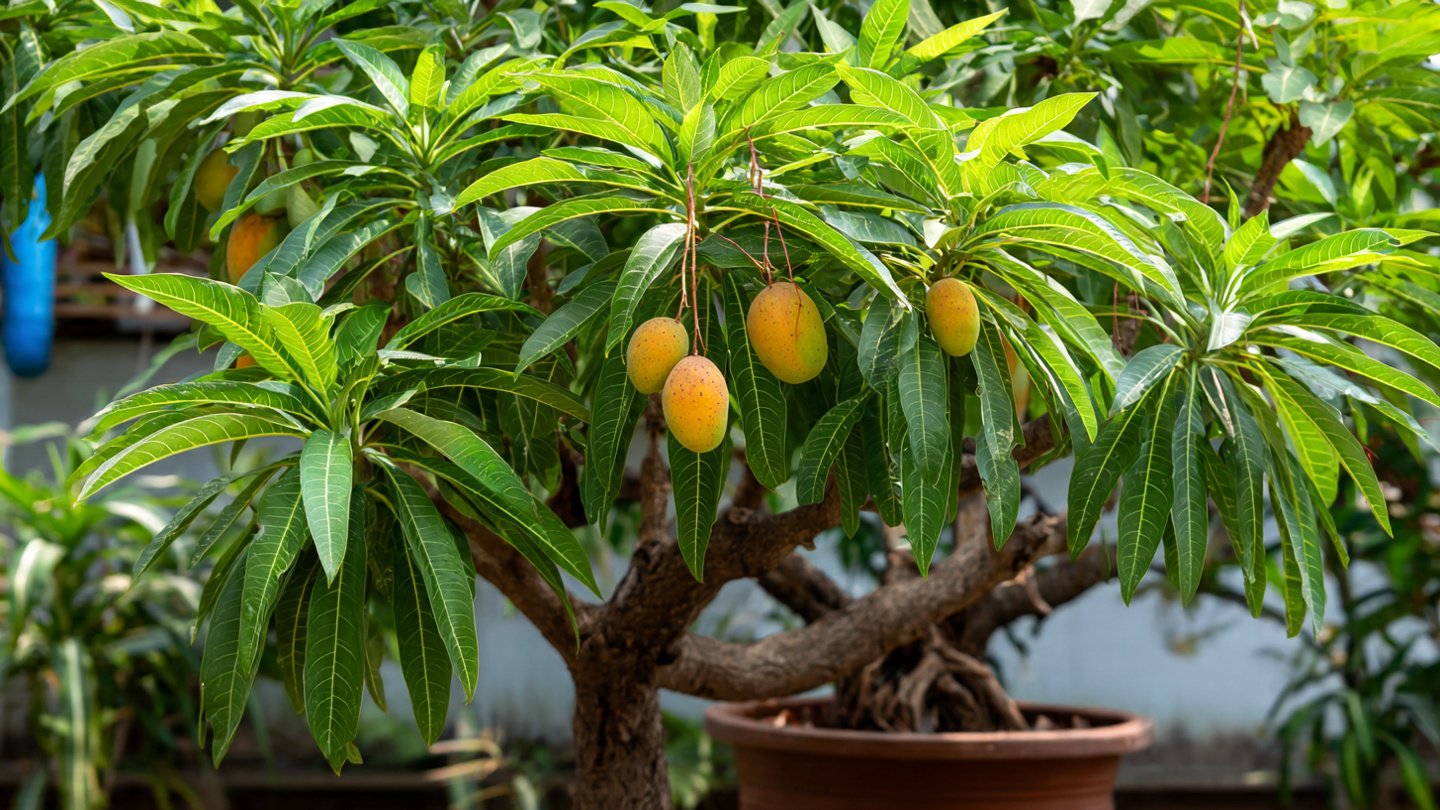
Mango trees (Mangifera indica) are beloved for their sweet, juicy fruits and tropical charm. However, one challenge many home gardeners face is that mango trees can grow very large and unmanageable, making harvesting, pruning, and care difficult.
Fortunately, with the right pruning techniques, you can keep a mango tree small, healthy, and productive without sacrificing fruit yield. Proper pruning encourages strong structure, improves sunlight penetration, reduces disease risk, and keeps the tree manageable for home gardens.
This guide will explain how to prune a mango tree correctly, the best times to prune, and tips for maintaining a small, healthy tree.
Why Prune Mango Trees?
Pruning is more than just cutting branches—it’s an essential horticultural practice that benefits both the tree and the gardener. Here’s why pruning mango trees is important:
- Control size and shape: Keeps the tree at a manageable height for harvesting.
- Promotes healthy growth: Removes dead or diseased branches.
- Encourages fruiting: Directs the tree’s energy to productive branches.
- Improves air circulation: Reduces the risk of fungal diseases.
- Easier maintenance: Simplifies watering, fertilizing, and pest control.
Without proper pruning, mango trees can become tall, dense, and difficult to manage, which can reduce fruit quality and harvest efficiency.
Best Time to Prune Mango Trees
Timing is crucial for effective pruning.
1. Light pruning
- Time: Any time of the year
- Purpose: Remove dead, broken, or crossing branches
- Benefit: Maintains tree shape and prevents minor overcrowding
2. Heavy pruning or size control
- Time: Late winter to early spring, before new growth begins
- Purpose: Reduce height and spread, encourage new growth
- Benefit: Minimizes stress and prevents excessive sap loss
Avoid heavy pruning during flowering or fruiting seasons, as it can reduce yields and stress the tree.
Tools Needed for Pruning Mango Trees
Proper tools make pruning safer and more effective.
- Pruning shears: For small branches (up to ½ inch thick)
- Loppers: For medium-sized branches (½ to 2 inches)
- Hand saw or pruning saw: For thick branches (over 2 inches)
- Disinfectant or alcohol: To sterilize tools and prevent disease spread
Sharp and clean tools reduce damage to the tree and promote faster healing.
Step-by-Step Pruning Technique to Keep Mango Tree Small
Step 1: Remove Dead, Diseased, or Damaged Branches
- Start by cutting away any dry, broken, or diseased branches.
- This prevents pests and diseases from spreading.
- Cut back to healthy wood at a 45° angle to promote healing.
Step 2: Thin Crowded Branches
- Remove branches that cross or rub against each other.
- Aim for a balanced canopy with good sunlight penetration.
- Thined branches reduce stress and improve fruit quality.
Step 3: Reduce Height
- Mango trees can grow up to 30–40 feet if left unchecked.
- Identify the central leader or main trunk and prune the top to limit height.
- Keep the tree at a manageable height of 8–12 feet for backyard trees.
- Make cuts just above a lateral branch pointing outward to encourage lateral growth.
Step 4: Shorten Long Branches
- Cut back excessively long branches to maintain tree shape.
- Ensure cuts are just above a node or lateral branch.
- This encourages bushier growth rather than upward stretching.
Step 5: Maintain a Balanced Canopy
- Step back and view the tree from different angles.
- Aim for a rounded, open canopy for light and airflow.
- Avoid removing more than 25–30% of the canopy at once to prevent stress.
Pruning Young Mango Trees
Young trees require different pruning techniques compared to mature trees.
Objectives:
- Develop a strong structure
- Encourage lateral branching
- Keep height manageable early
Steps:
- Choose 3–4 strong lateral branches to form the main framework.
- Remove weak, vertical shoots that compete with the main branches.
- Pinch off the growing tip if the tree grows too tall.
- Repeat light pruning annually to maintain shape.
A well-pruned young tree develops a strong, bushy structure that is easier to manage in the long term.
Pruning Mature Mango Trees
Mature trees often require rejuvenation pruning to reduce size and stimulate fruiting.
Steps for mature trees:
- Remove overgrown or water-sprout branches.
- Shorten excessively long branches to limit spread.
- Thin the canopy to allow sunlight and air to reach inner branches.
- Remove crossing or inward-growing branches.
Be cautious with mature trees—avoid cutting more than 30% of the canopy at once to reduce stress and avoid fruiting loss.
Tips for Healthy Mango Tree After Pruning
- Fertilize: Use balanced fertilizer (NPK 10:10:10) to support new growth.
- Water adequately: Keep the soil moist after pruning, but avoid waterlogging.
- Monitor for pests: Pruning can expose the tree to pests; check for mealybugs, scales, or aphids.
- Apply tree wound protectant: Optional for large cuts to reduce infection risk.
- Regular maintenance: Light pruning every 6–12 months keeps the tree under control.
Following these tips ensures your mango tree stays healthy and productive after pruning.
Benefits of Keeping Mango Trees Small
Pruning mango trees to a smaller size offers multiple benefits:
- Easier harvest: No ladders needed to reach fruits.
- Better sunlight exposure: Enhances flowering and fruit ripening.
- Reduced disease risk: Open canopy reduces fungal and bacterial infections.
- Aesthetic appeal: Small, well-shaped trees enhance garden beauty.
- Sustainable growth: Prevents excessive energy consumption on tall, unproductive branches.
Common Mistakes to Avoid
- Pruning too late or too early: Timing affects recovery and fruiting.
- Removing too much canopy: Over-pruning can shock the tree and reduce fruit yield.
- Ignoring weak branches: Dead or diseased branches can spread problems.
- Improper tool sterilization: Cuts can introduce infections if tools are dirty.
- Neglecting young trees: Early pruning ensures manageable growth for life.
By avoiding these mistakes, your mango tree stays healthy, productive, and easy to maintain.
Alternative Techniques for Size Management
In addition to pruning, other techniques help keep mango trees small:
- Container planting: Restricts root growth, naturally limiting tree size.
- Regular pinching: Snipping growing tips encourages lateral growth and compact structure.
- Growth regulators: Commercial plant growth regulators can reduce tree height (use carefully).
These methods complement pruning for a manageable backyard mango tree.
Final Thoughts
Keeping a mango tree small doesn’t mean sacrificing fruit quality or yield. With consistent, correct pruning, you can grow a tree that is healthy, productive, and easy to manage.
Key Takeaways:
- Prune during late winter or early spring for size control.
- Remove dead, diseased, and crowded branches first.
- Limit canopy reduction to 25–30% at a time.
- Train young trees early to develop strong lateral branches.
- Maintain regular aftercare including fertilization and pest monitoring.
By following these steps, your mango tree will remain a manageable, beautiful, and fruitful centerpiece in your garden, providing delicious mangoes for years to come.
Keeping a mango tree small is an art combined with science, and pruning is your most powerful tool. Start pruning today and enjoy a healthy, beautiful, and productive mango tree that’s easy to care for! 🌳🥭