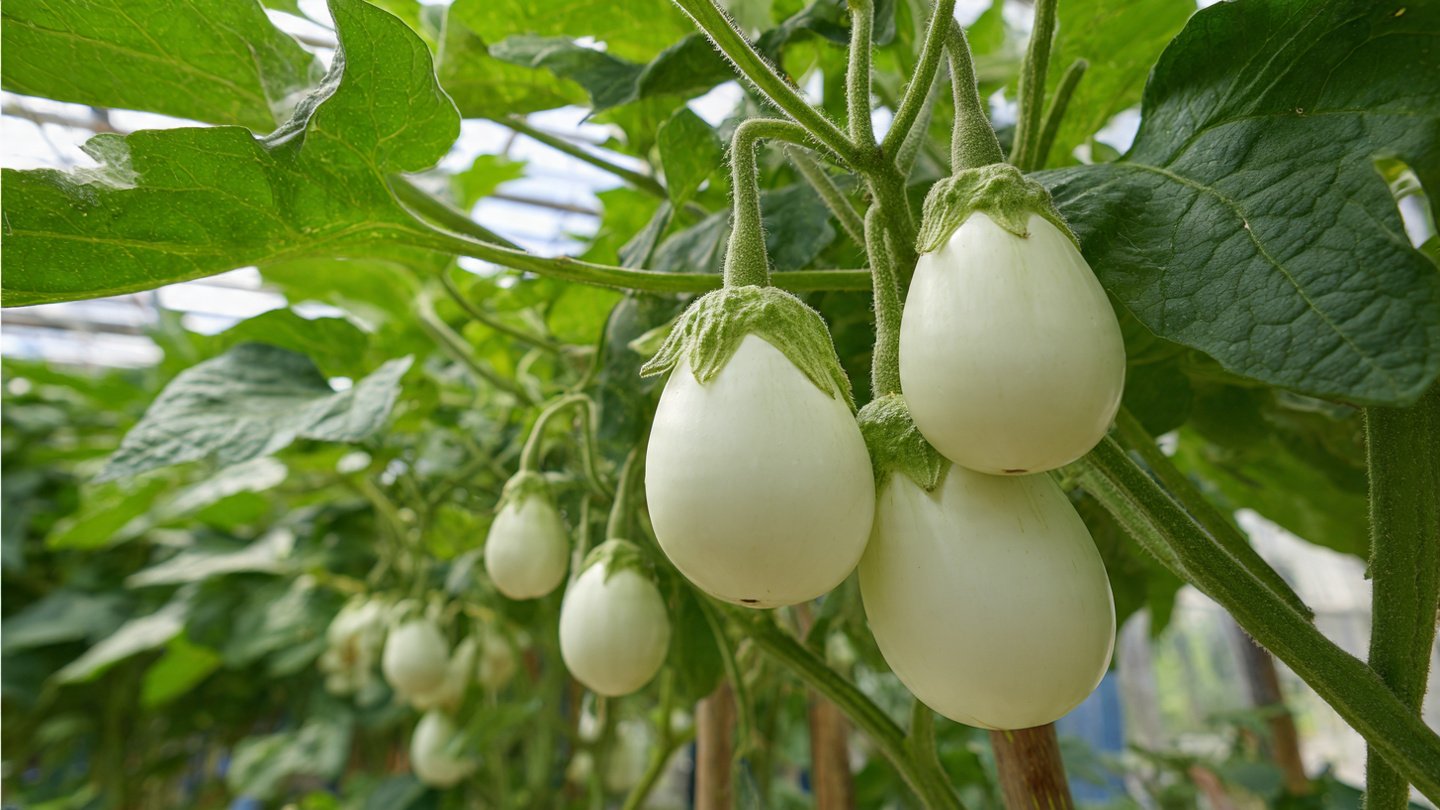
Eggplants are a versatile and rewarding vegetable to grow at home, and the white eggplant variety is especially prized for its unique color, mild flavor, and tender texture. Unlike traditional purple varieties, white eggplants add a beautiful aesthetic to your garden and your kitchen. With the right care, these plants can produce round, uniform fruits and a high-yield harvest, even in small spaces. In this article, I’ll share a comprehensive guide to growing white eggplants successfully, from seed selection to harvesting.
Why Grow White Eggplants?
White eggplants are not just a visual treat; they also offer several benefits:
- Unique appearance: Their smooth, creamy-white skin adds elegance to salads, roasting, or stir-fries.
- Tender flavor: White eggplants are typically less bitter than purple varieties, making them ideal for kids and picky eaters.
- High yield potential: With proper care, each plant can produce multiple fruits throughout the growing season.
- Compact growth: Many white eggplant varieties are suitable for container gardening, perfect for balconies or small gardens.
Growing white eggplants allows you to enjoy fresh, chemical-free produce, while adding diversity to your home garden.
Choosing the Right White Eggplant Variety
Not all white eggplants are created equal. Choosing the right variety is the first step toward a high-yield harvest:
- White Beauty: One of the most popular varieties, known for round, glossy fruits and robust growth.
- Casper: Produces medium-sized, slightly elongated white fruits. Resistant to common pests.
- Snowball: Compact plant, ideal for container gardens, with consistent fruiting.
- Gretel: Early-maturing variety, great for areas with shorter growing seasons.
For beginners, I recommend White Beauty, as it’s forgiving, produces large, round fruits, and consistently gives high yields.
Starting Seeds Indoors
White eggplants thrive in warm conditions, so starting seeds indoors is essential in cooler climates. Here’s how I do it:
- Seed trays or small pots: Fill with a seed-starting mix rich in organic matter.
- Planting depth: Sow seeds about ¼ inch (0.6 cm) deep. Cover lightly with soil.
- Temperature: Maintain 24–28°C (75–82°F) for optimal germination.
- Light: Place seedlings near a bright window or under grow lights for 12–16 hours a day.
- Watering: Keep the soil consistently moist but not soggy.
Seeds usually germinate within 7–14 days. Once seedlings develop 2–3 true leaves, they are ready for hardening off before transplanting.
Hardening Off: Preparing for Outdoor Life
White eggplants are sensitive to cold, so transitioning them gradually to outdoor conditions is crucial:
- Begin by placing seedlings outdoors in a shaded area for a few hours a day.
- Gradually increase sun exposure and outdoor time over 7–10 days.
- Avoid transplanting during cold nights; wait until temperatures stay above 18°C (65°F).
Hardening off strengthens seedlings, reduces transplant shock, and sets the stage for vigorous growth and high yields.
Soil and Site Preparation
White eggplants thrive in fertile, well-draining soil with a slightly acidic to neutral pH (6.0–7.0). Here’s my soil preparation process:
- Choose a sunny spot: Eggplants need 6–8 hours of sunlight daily.
- Enrich the soil: Mix in compost, well-rotted manure, and a balanced organic fertilizer.
- Ensure drainage: Avoid waterlogged soil, which can lead to root rot. Adding sand or perlite helps improve drainage.
If planting in containers, choose pots at least 12 inches deep and wide, ensuring roots have enough room to grow and absorb nutrients.
Transplanting Seedlings
When seedlings are strong and the weather is warm, it’s time to transplant:
- Dig a hole slightly larger than the seedling’s root ball.
- Space plants 24–30 inches apart in rows, or 18–24 inches apart in containers.
- Plant slightly deeper than they were in the seed tray, which encourages strong root development.
- Water immediately to help settle the soil.
Proper spacing ensures good air circulation, reducing the risk of fungal diseases and supporting large, healthy fruits.
Caring for White Eggplants
White eggplants are relatively easy to care for, but they do need attention to maximize yield:
1. Watering
- Keep soil consistently moist, especially during flowering and fruiting.
- Avoid overwatering; soggy soil can cause root problems.
- Mulching around the base of the plant helps retain moisture and keeps soil cool.
2. Fertilizing
- Start with a balanced fertilizer during early growth.
- Once flowering begins, switch to a fertilizer higher in phosphorus and potassium to promote flowers and fruit.
- Side-dress with compost every 3–4 weeks to replenish nutrients.
3. Staking and Support
White eggplants can get heavy when loaded with fruits. Staking or caging prevents branches from breaking:
- Insert stakes or cages at the time of transplanting.
- Gently tie the main stem and branches to the support as the plant grows.
4. Pruning
- Remove lower leaves that touch the soil to prevent disease.
- Pinch off early flowers to focus energy on root and stem development for stronger plants and bigger fruits.
Pollination and Flower Care
White eggplants rely on insects or hand pollination for fruit development:
- Encourage bees and pollinators in your garden by planting flowers nearby.
- In indoor gardens or areas with fewer pollinators, gently shake the flowers or use a small brush to transfer pollen between blossoms.
Healthy flowers are the key to large, round eggplants, so attention to pollination pays off with higher yields.
Pest and Disease Management
White eggplants can attract common pests such as aphids, flea beetles, and spider mites, and are susceptible to diseases like verticillium wilt and blight. Here’s how I handle them naturally:
- Inspect plants regularly: Early detection is critical.
- Neem oil or insecticidal soap: Effective against soft-bodied insects.
- Companion planting: Marigolds and basil help deter pests.
- Rotate crops yearly: Prevents soil-borne diseases.
- Clean up debris: Fallen leaves or old fruits can harbor pathogens.
With these preventive measures, your white eggplants can remain healthy throughout the season.
Harvesting White Eggplants
Timing is everything when harvesting:
- Pick when the fruit is firm, glossy, and uniformly white.
- Avoid overripe fruits, as they become bitter and spongy.
- Use a sharp knife or pruning shears to cut the fruit, leaving a small stem attached.
- Regular harvesting encourages the plant to produce more fruits.
Most white eggplant varieties produce round fruits 6–8 inches in diameter, perfect for stuffing, roasting, grilling, or stir-frying.
Maximizing Yield Tips
For round, high-yield harvests, I follow these key practices:
- Consistent watering: Prevents cracking and promotes uniform growth.
- Regular fertilization: Boosts fruit size and number.
- Adequate spacing: Prevents overcrowding and disease.
- Pruning and staking: Supports fruit weight and improves airflow.
- Pollination attention: Ensures every flower can develop into a fruit.
By combining these methods, I’ve consistently harvested 10–12 fruits per plant, with some exceptional plants yielding even more.
Benefits of Growing White Eggplants
Growing your own white eggplants offers multiple advantages:
- Freshness and flavor: Nothing beats picking produce directly from your garden.
- Control over chemicals: Homegrown eggplants are free from pesticides and preservatives.
- Garden beauty: White eggplants add visual appeal with their glossy, creamy fruits.
- Educational: Great for teaching children about plant growth and responsibility.
- Cost-saving: Reduces the need to buy specialty varieties at the market.
Homegrown white eggplants can transform your meals while enhancing your garden’s productivity.
Conclusion
Growing white eggplants is rewarding, visually striking, and highly productive. By selecting the right variety, starting seeds indoors, preparing fertile soil, and providing consistent care, you can enjoy round, firm, and high-yielding fruits even in small garden spaces or containers.
The key steps for success include:
- Choosing compact, high-yield varieties like White Beauty.
- Starting seeds in warm, well-lit conditions.
- Ensuring nutrient-rich, well-draining soil.
- Providing consistent water, fertilizer, and support.
- Managing pests and diseases with preventive care.
- Harvesting at the optimal stage for flavor and texture.
With patience and attention, your white eggplants will thrive, giving you a bountiful harvest of delicious, creamy vegetables. Whether for family meals, entertaining guests, or simply enjoying the satisfaction of homegrown produce, white eggplants are a perfect choice for any garden enthusiast.
Start your white eggplant garden today, follow these simple steps, and watch your plants produce round, healthy, and high-yielding fruits that will impress every gardener and chef alike.