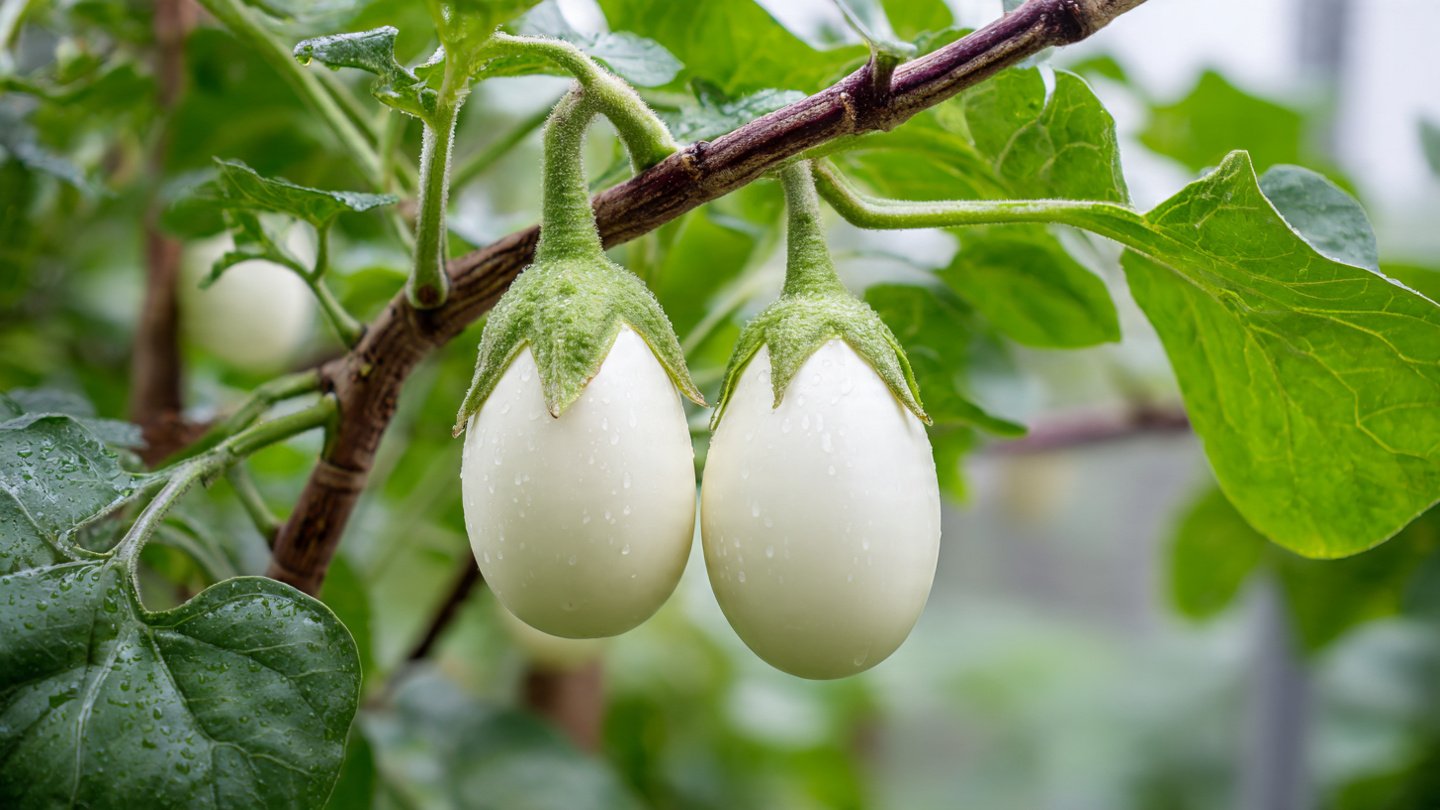
White eggplant, also known as white aubergine, is a striking and delicious vegetable that stands out from the more common purple varieties. With its glossy white skin, tender flesh, and mild flavor, white eggplant is versatile in a wide range of dishes, from grilling and roasting to stews and curries. Beyond its culinary appeal, white eggplant can be surprisingly easy to grow at home, and with the right care, it can produce a high yield even for beginners. This comprehensive guide will walk you through everything you need to know to grow white eggplant successfully, from selecting seeds to harvesting, ensuring a bountiful crop.
Why Grow White Eggplant
White eggplant offers unique advantages that make it appealing for home gardeners:
- Visual Appeal: Its ivory-white fruit stands out in the garden and on the plate.
- Mild Flavor: Less bitter than some purple varieties, making it more versatile in cooking.
- Nutritional Benefits: White eggplants are rich in dietary fiber, antioxidants, and vitamins such as B1, B6, and potassium.
- High Yield Potential: With proper care, white eggplants can produce multiple harvests throughout the growing season.
- Beginner-Friendly: They are relatively forgiving and can thrive in containers or garden beds with proper guidance.
Growing your own white eggplant adds variety to your garden while providing a visually appealing and nutrient-rich vegetable.
Selecting the Right White Eggplant Variety
Not all white eggplants are the same. When selecting a variety, consider the following:
- Baby White Eggplant: Small, tender fruits ideal for stir-fries and roasting.
- Japanese White Eggplant: Slender, elongated fruits that are less bitter and grow quickly.
- Albino Eggplant: Larger fruits with a smooth, creamy texture perfect for baking.
Choose a variety that matches your culinary preferences and space availability. Look for disease-resistant seeds or seedlings to ensure a higher chance of success.
Choosing the Right Planting Location
White eggplants thrive in warm, sunny conditions. Key considerations include:
- Sunlight: They require at least 6–8 hours of direct sunlight daily for optimal growth and fruit production.
- Soil: Well-draining, fertile soil rich in organic matter is ideal. A slightly acidic to neutral pH (6.0–7.0) is preferred.
- Spacing: Provide enough space for airflow to prevent fungal diseases. Space plants 24–36 inches apart in garden beds.
If planting in containers, choose large pots (at least 12–15 inches in diameter) to accommodate the eggplant’s deep root system.
Starting Seeds Indoors
Starting white eggplant from seeds ensures early growth and stronger seedlings. Here’s how:
- Timing: Start seeds indoors 8–10 weeks before the last expected frost.
- Seed Trays: Use a seed-starting mix that is light, well-draining, and nutrient-rich.
- Planting Depth: Sow seeds ¼ inch deep in the soil.
- Watering: Keep the soil consistently moist but not waterlogged.
- Temperature: Maintain a warm environment (75°F–85°F or 24°C–29°C) to encourage germination.
- Transplanting: Once seedlings develop 4–6 true leaves and outdoor temperatures are consistently above 65°F (18°C), harden them off and transplant into the garden or larger containers.
Starting seeds indoors gives your white eggplant a strong head start and improves the chances of a high yield.
Preparing the Soil
Healthy soil is critical for high-yield white eggplants:
- Organic Matter: Incorporate compost, well-rotted manure, or organic fertilizer to provide essential nutrients.
- Drainage: Avoid heavy clay soils; if needed, amend with sand or perlite to improve drainage.
- pH Level: Test soil to ensure a slightly acidic to neutral pH. Adjust using lime or sulfur if necessary.
- Mulching: Apply organic mulch around the base of plants to retain moisture, regulate temperature, and suppress weeds.
Well-prepared soil supports strong root growth, vigorous plants, and abundant fruit production.
Planting White Eggplant
Once seedlings are ready and soil conditions are ideal, plant white eggplant carefully:
- Spacing: Space seedlings 24–36 inches apart in garden beds, or one plant per 12–15 inch container.
- Planting Depth: Plant seedlings slightly deeper than they were in the seed tray to encourage strong root development.
- Watering: Water thoroughly after transplanting to help seedlings establish.
- Support: Install stakes or cages at planting time to support heavy fruits and prevent stems from bending or breaking.
Proper planting techniques set the stage for healthy plants and higher yields.
Watering and Fertilizing
White eggplants are heavy feeders and require consistent watering for optimal growth:
- Watering: Keep the soil evenly moist, but avoid waterlogging. Deep watering 2–3 times a week is preferable to shallow frequent watering.
- Fertilizing: Apply a balanced fertilizer every 3–4 weeks, focusing on potassium and phosphorus to encourage flowering and fruiting.
- Foliar Feeding: Consider foliar sprays of liquid fertilizer during flowering to boost fruit set.
Consistent water and nutrient supply ensures healthy growth and encourages high yields.
Pruning and Maintenance
Pruning and maintenance improve airflow, prevent disease, and focus the plant’s energy on fruit production:
- Pruning: Remove lower leaves and suckers (small shoots that grow in leaf axils) to improve air circulation.
- Leaf Care: Remove yellowing or damaged leaves promptly to reduce the risk of disease.
- Training: Use stakes or cages to keep plants upright and prevent fruits from touching the soil.
A little maintenance goes a long way in maximizing the plant’s energy for fruit production.
Pollination
Eggplants require pollination for fruit set:
- Natural Pollinators: Bees and other insects help transfer pollen from male to female flowers.
- Hand Pollination: In areas with few pollinators, gently shake flowers or use a small brush to transfer pollen.
- Flower Care: Avoid overhead watering during flowering to prevent washing off pollen.
Proper pollination ensures a higher fruit set and ultimately a larger harvest.
Pest and Disease Management
White eggplants can be affected by pests and diseases, but preventive care can keep plants healthy:
- Common Pests: Aphids, flea beetles, and spider mites can damage leaves and stems. Inspect plants regularly and remove pests by hand or use insecticidal soap.
- Diseases: Powdery mildew, blight, and verticillium wilt are common. Ensure proper spacing, airflow, and avoid overhead watering to prevent fungal infections.
- Preventive Measures: Rotate crops yearly and practice good garden hygiene to reduce the risk of soil-borne diseases.
Monitoring plants regularly and addressing problems early helps maintain plant health and productivity.
Harvesting White Eggplant
Harvesting at the right time ensures tender, flavorful fruit:
- Timing: Fruits are generally ready 70–85 days after transplanting, depending on the variety.
- Size: Pick fruits when they reach full size but are still firm. Overripe fruits may become bitter or seedy.
- Method: Use a sharp knife or pruning shears to cut fruits from the stem carefully, leaving a short stem attached.
- Frequency: Regular harvesting encourages plants to produce more fruit throughout the season.
Harvesting properly maximizes yield and ensures the best taste and texture.
Tips for Maximizing Yield
- Provide Full Sun: White eggplants produce the best yields when they receive at least 6–8 hours of direct sunlight.
- Consistent Care: Maintain regular watering, fertilization, and pruning routines.
- Container Care: If growing in pots, use high-quality soil and fertilize more frequently, as nutrients can leach out faster.
- Monitor Growth: Inspect plants weekly for pests, diseases, or nutrient deficiencies.
- Support Heavy Fruits: Use stakes or cages to prevent damage to stems and maximize fruit development.
Following these tips ensures that your white eggplants reach their full productive potential.
Conclusion
Growing white eggplant is both rewarding and accessible for beginners. With careful attention to variety selection, soil preparation, watering, fertilization, and maintenance, you can achieve a high-yield harvest of tender, flavorful fruits. Proper pruning, pollination, and pest management further boost productivity, while regular harvesting encourages continuous fruiting. Whether grown in the garden or containers, white eggplant adds beauty, nutrition, and variety to your home-grown vegetable repertoire. With patience, consistent care, and the techniques outlined in this guide, even first-time gardeners can enjoy a bountiful and impressive white eggplant harvest.