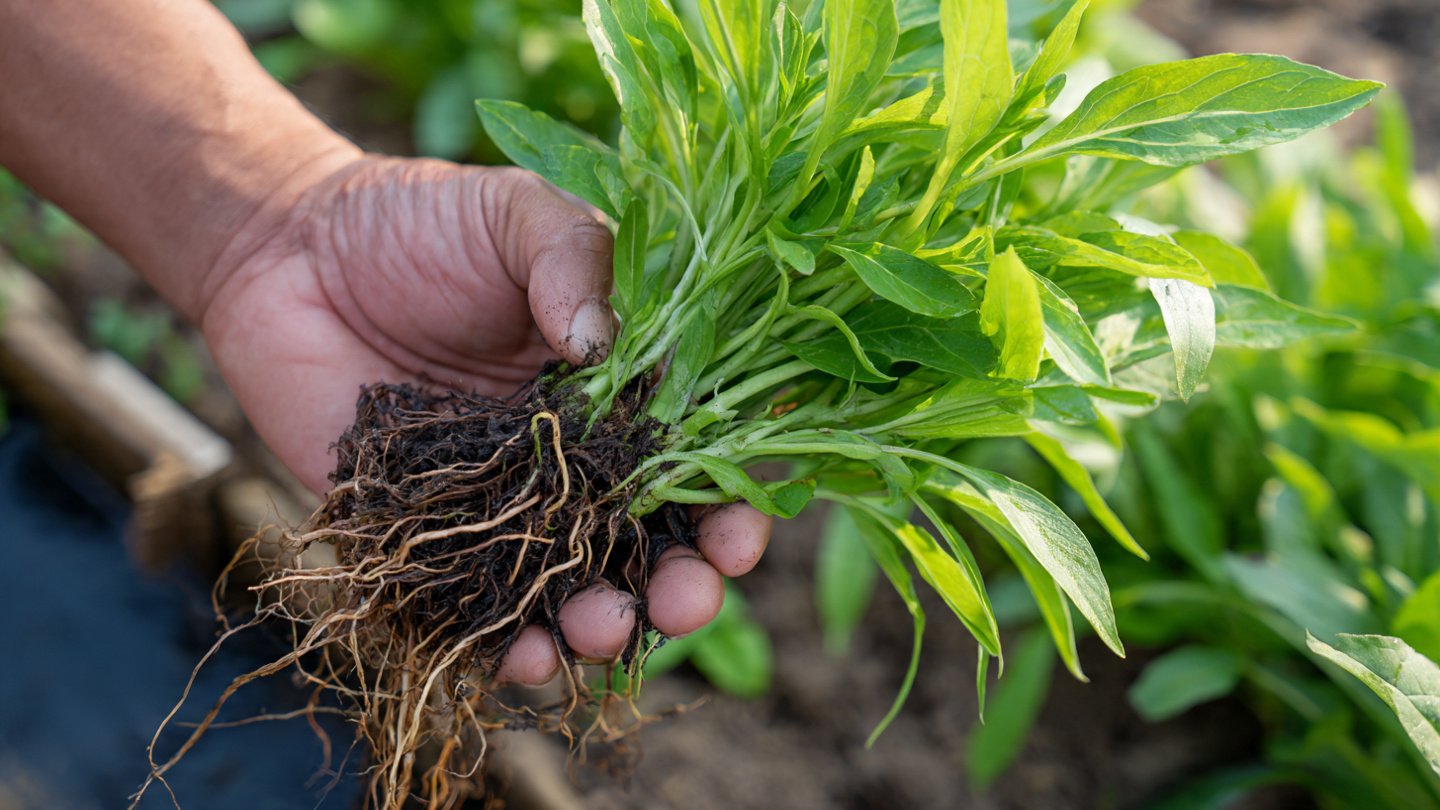
Water spinach, also known as Ipomoea aquatica or “kangkong,” is a fast-growing, nutrient-rich leafy green that is popular in Asian cuisine. Its tender stems and vibrant leaves are perfect for stir-fries, soups, and salads, and growing it at home ensures a steady supply of fresh, healthy greens. One of the easiest and most efficient ways to cultivate water spinach is from cuttings. This propagation method is simple, cost-effective, and allows even small-space gardeners to enjoy a bountiful harvest year-round. In this guide, we’ll explore how to grow water spinach from cuttings, step by step, so you can enjoy fresh, homegrown greens at your convenience.
Why Grow Water Spinach at Home
Growing water spinach at home comes with numerous advantages:
- Fast Growth: Water spinach roots quickly from cuttings, producing edible leaves in just a few weeks.
- High Nutritional Value: Rich in vitamins A and C, iron, calcium, and antioxidants, water spinach supports healthy diets.
- Easy to Grow: Requires minimal care, making it ideal for beginners, housewives, and busy gardeners.
- Space-Efficient: Can be grown in containers, hydroponic setups, or small water-filled troughs, making it suitable for balconies, terraces, and small backyards.
- Continuous Harvest: Using cuttings and proper pruning, water spinach can provide a continuous supply of fresh greens.
With its rapid growth and adaptability, water spinach is a practical and rewarding choice for home gardeners.
Selecting the Right Cuttings
The success of water spinach propagation largely depends on choosing healthy cuttings. Here’s what to look for:
- Length: Select cuttings 6–12 inches long. Longer cuttings can root faster and produce more leaves.
- Healthy Nodes: Ensure each cutting has at least 3–4 nodes, as roots will emerge from these points.
- Vigorous Growth: Choose stems from mature, healthy plants with vibrant green leaves. Avoid yellowing or diseased stems.
- Stem Type: Both thick and thin stems work, but thicker stems tend to produce sturdier plants.
Cuttings taken from established, healthy plants are more likely to root quickly and develop into productive water spinach plants.
Preparing the Cuttings
Proper preparation is essential for fast rooting and strong growth:
- Trim Lower Leaves: Remove leaves from the bottom 2–3 nodes to prevent rot and allow easy rooting. Leave a few leaves at the top to support photosynthesis.
- Optional Rooting Hormone: While not necessary, dipping the cut end in a rooting hormone can boost root growth.
- Water or Soil Setup: Decide whether you want to root the cuttings in water or directly in soil. Both methods are effective, but water rooting allows easier monitoring of root development.
Proper preparation minimizes the risk of failure and ensures faster establishment.
Rooting Water Spinach in Water
Water rooting is a simple and reliable method:
- Container Selection: Use a glass, jar, or container that can hold enough water to cover the bottom nodes of the cuttings.
- Water Level: Fill the container with clean, room-temperature water, submerging only the nodes. Avoid covering leaves.
- Placement: Keep the container in bright, indirect sunlight. Avoid harsh direct sunlight, which can damage tender cuttings.
- Changing Water: Replace the water every 2–3 days to prevent stagnation, algae, and bacterial growth.
- Root Development: Roots usually appear within 7–10 days. Once roots are 2–3 inches long, the cuttings are ready for transplanting.
Water rooting allows you to watch the growth process and ensures strong, healthy roots before planting in soil or a hydroponic setup.
Rooting Water Spinach in Soil
Direct soil rooting is also highly effective and reduces transplant shock:
- Container Preparation: Choose a pot, grow bag, or small trough with good drainage.
- Soil Mix: Use nutrient-rich, loose soil combined with compost. A mix of garden soil, compost, and sand (2:1:1) works well.
- Planting Depth: Insert the cutting 1–2 nodes deep into the soil. Firm the soil gently around the base.
- Watering: Keep the soil consistently moist but not waterlogged. Overwatering can lead to rot.
- Light: Place the container in a bright location with indirect sunlight. Roots usually develop in 1–2 weeks.
Soil rooting minimizes transplant stress and allows the plant to continue growing in the same container until harvest.
Providing Support and Care
Water spinach is a semi-aquatic, trailing plant, and providing the right support encourages healthy growth:
- Water or Moist Soil: Water spinach thrives in moist conditions, so regular watering is crucial if growing in soil. For hydroponics or water-filled containers, maintain at least 2–4 inches of water.
- Fertilization: Apply organic fertilizers such as compost, vermicompost, or liquid manure weekly to encourage rapid growth. Nitrogen-rich fertilizers help produce lush, leafy stems.
- Light: Bright, indirect sunlight supports vigorous growth and keeps leaves tender. Too much direct sunlight can scorch leaves.
- Spacing: Plant cuttings 6–8 inches apart to allow enough room for stems to grow and spread.
Proper care ensures fast growth and bountiful leaf production for continuous harvests.
Harvesting Water Spinach
Harvesting water spinach is simple and allows the plant to regrow multiple times:
- First Harvest: Leaves can be harvested 3–4 weeks after planting, once the stems are 6–8 inches long.
- Cut-and-Come-Again: Trim outer stems or top sections of the plant, leaving 2–3 nodes intact. This encourages regrowth and maintains a continuous supply.
- Frequent Harvesting: Harvest every 7–10 days for maximum yield. Regular pruning stimulates faster growth and keeps the plant healthy.
- Avoid Overharvesting: Leave some stems to ensure the plant remains productive. Removing too much at once can stress the plant.
With proper care and sequential harvesting, a single container can provide fresh water spinach leaves for months.
Managing Pests and Diseases
Water spinach is generally hardy, but occasional pests like aphids, caterpillars, or fungal infections can occur:
- Neem Oil or Garlic Spray: Safe and effective for pest control.
- Clean Environment: Remove dead leaves and maintain proper air circulation.
- Water Management: Avoid stagnant water or overly soggy soil to prevent fungal infections.
By monitoring plants regularly and using organic interventions, you can maintain a healthy, pest-free crop.
Advantages of Growing Water Spinach from Cuttings
Propagating water spinach from cuttings has numerous benefits:
- Fast Growth: Cuttings root quickly, providing edible leaves in a matter of weeks.
- Cost-Effective: No need to buy seeds; a few cuttings from an existing plant are enough.
- Continuous Supply: Cut-and-come-again harvesting ensures year-round fresh greens.
- Space-Saving: Ideal for small terraces, balconies, or kitchen gardens.
- Sustainability: Reduces dependence on store-bought vegetables and promotes eco-friendly home gardening.
This method is ideal for anyone looking for a low-maintenance, high-yield leafy green crop.
Tips for Maximizing Yield
- Rotate Containers: If growing in multiple containers, stagger planting times to maintain a constant harvest.
- Prune Regularly: Trimming older stems encourages new growth and prevents overcrowding.
- Maintain Nutrient Levels: Top up compost or liquid fertilizer weekly for sustained growth.
- Harvest Frequently: Frequent harvesting prevents stems from becoming too woody and promotes tender leaves.
- Hydroponic Setup: For high yields, water spinach thrives in hydroponic or semi-aquatic setups with minimal soil.
By following these tips, even small-space gardeners can enjoy abundant, continuous harvests.
Conclusion
Growing water spinach from cuttings is one of the easiest and most rewarding methods for home gardening. With minimal effort, you can enjoy a fast-growing, nutrient-rich, and high-yielding leafy green that thrives in containers, soil beds, or water-based systems. By selecting healthy cuttings, providing proper care, and harvesting strategically, water spinach can provide bountiful greens year-round, making it a staple for any kitchen garden.
Whether you are a beginner gardener, a busy homemaker, or someone looking to grow fresh, organic greens at home, water spinach from cuttings is a perfect choice. Its rapid growth, ease of propagation, and continuous harvest make it an ideal plant for small spaces and sustainable urban gardening. With just a few simple steps, you can turn a handful of cuttings into a thriving, productive garden that provides fresh, healthy leaves for months on end.