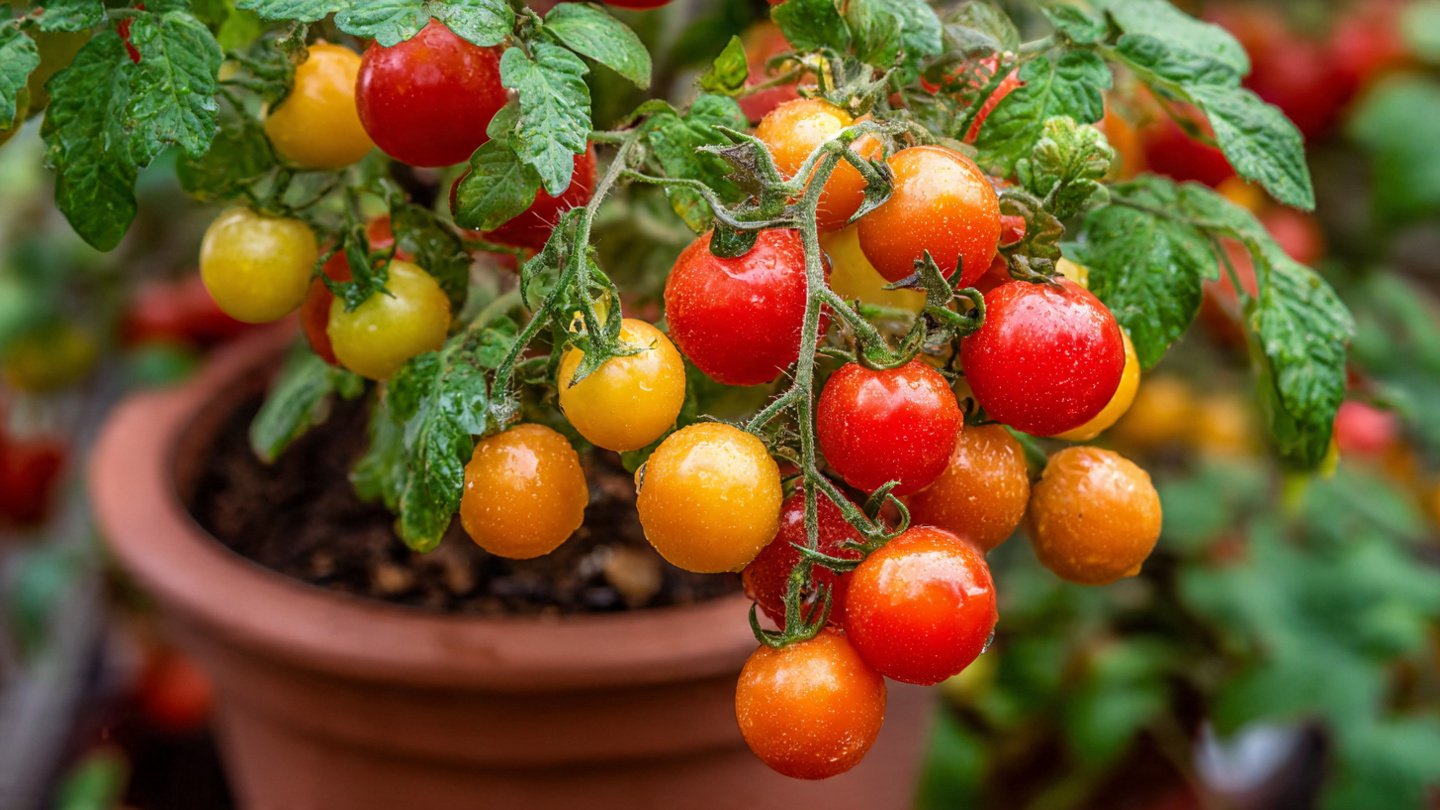
Tomatoes are one of the most rewarding crops for home gardeners. Bursting with flavor, nutrition, and versatility, they can transform meals from ordinary to extraordinary. But not everyone has a backyard or garden space to grow them traditionally. Fortunately, tomatoes are remarkably adaptable and can thrive in containers or pots with the right approach. When combined with 100% organic gardening methods, container-grown tomatoes not only produce high yields but are also free from harmful chemicals, making them healthier for you and the environment.
This comprehensive guide will walk you through everything you need to know—from choosing the right containers and organic soil to watering, fertilizing, and harvesting your very own homegrown tomatoes.
Why Grow Tomatoes in Containers Organically?
Growing tomatoes in containers using organic methods has several advantages:
- Space Efficiency: Ideal for balconies, patios, and small urban homes.
- Soil Control: You can provide nutrient-rich, chemical-free soil tailored to tomato plants.
- Pest and Disease Management: Containers reduce soil-borne diseases and allow easier pest monitoring.
- Sustainability: Using organic fertilizers, compost, and natural pest controls reduces environmental impact.
- Flavor and Nutrition: Organically grown tomatoes often taste better and retain higher nutrient content.
With careful planning, container gardening can be just as productive as traditional garden plots.
Step 1: Choosing the Right Tomato Varieties
Not all tomatoes are ideal for container growth. For high-yield and healthy plants, consider the following:
- Determinate Varieties (bush types): These grow to a fixed size, produce fruit over a short period, and are ideal for small containers. Examples: ‘Roma’, ‘Celebrity’, ‘Bush Early Girl’.
- Indeterminate Varieties (vining types): These grow continuously and produce fruit throughout the season. They require staking or trellising. Examples: ‘Cherry’, ‘Beefsteak’, ‘Brandywine’.
Choose varieties suited to your container size and space. Bush varieties are easier to manage, while indeterminate types offer continuous harvests with proper support.
Step 2: Selecting Containers and Potting Mix
Choosing the Right Container
Container size is crucial for tomato success. Here’s a quick guide:
- Bush tomatoes: Minimum 12–16 inches in diameter.
- Indeterminate tomatoes: Minimum 18–24 inches in diameter with a depth of at least 18 inches.
- Material: Terracotta, plastic, or fabric grow bags work well. Fabric bags are especially good for root aeration and drainage.
Ensure your container has adequate drainage holes to prevent waterlogging, which can lead to root rot.
Preparing Organic Potting Mix
Tomatoes thrive in nutrient-rich, well-draining soil. A fully organic potting mix can be made with:
- 40% compost (provides nutrients and improves soil structure)
- 30% coconut coir or peat-free alternatives (retains moisture)
- 20% vermicompost (rich in nitrogen and beneficial microbes)
- 10% perlite or coarse sand (improves drainage and aeration)
Optional: Add a handful of organic bone meal or rock phosphate to support strong root and fruit development.
Mix thoroughly to ensure even nutrient distribution.
Step 3: Planting Your Tomatoes
Starting Seeds
You can start seeds indoors 6–8 weeks before the last frost or buy organic seedlings from a reputable nursery. To start seeds organically:
- Use seed trays filled with organic seed-starting mix.
- Plant seeds ¼ inch deep and keep soil consistently moist.
- Place in a sunny spot or under grow lights for 12–16 hours per day.
- Transplant seedlings after 4–6 weeks, once they develop 2–3 sets of true leaves.
Transplanting Into Containers
- Fill the container with your organic potting mix, leaving 2–3 inches at the top.
- Dig a hole deep enough to bury two-thirds of the seedling, including part of the stem. Tomatoes develop additional roots along buried stems, resulting in stronger plants.
- Water gently to settle the soil.
- Apply a thin layer of organic mulch, such as straw or coconut husks, to retain moisture and suppress weeds.
Step 4: Organic Fertilization
Tomatoes are heavy feeders and require consistent nutrition. Using 100% organic methods, you can provide nutrients naturally:
- Compost Tea: Steep mature compost in water for 24–48 hours and water your tomatoes weekly.
- Vermicompost Tea: Provides essential nitrogen, phosphorus, and potassium.
- Liquid Seaweed: Supplies trace minerals and stimulates growth.
- Mulch with Organic Materials: Grass clippings or shredded leaves gradually release nutrients into the soil.
Avoid chemical fertilizers. Organic methods not only feed the plants but also improve soil health and microbial activity.
Step 5: Watering Techniques
Tomatoes in containers require consistent watering, but overwatering can harm roots. Key tips:
- Water deeply and less frequently to encourage strong root growth.
- Check soil moisture by sticking your finger 2–3 inches deep—if dry, water.
- Use drip irrigation or self-watering containers for convenience.
- Avoid wetting the leaves, which can promote fungal diseases.
Mulching helps reduce evaporation, keeping the soil evenly moist.
Step 6: Supporting Your Plants
Even in pots, most tomato varieties need support to prevent stems from breaking under heavy fruit weight. Options include:
- Cages: Wire tomato cages work well for bush and small indeterminate types.
- Stakes: Bamboo or wooden stakes provide vertical support. Tie stems gently with soft organic ties.
- Trellises: Ideal for indeterminate varieties; allows for vertical growth and better air circulation.
Proper support prevents fruit damage and reduces the risk of fungal infections.
Step 7: Pest and Disease Management (100% Organic)
Tomatoes can attract pests like aphids, whiteflies, and hornworms. Using organic methods:
- Companion Planting: Plant basil, marigold, or nasturtium nearby to repel pests.
- Neem Oil Spray: Effective for common pests when used weekly.
- Handpicking: Remove hornworms and larger pests manually.
- Beneficial Insects: Encourage ladybugs, lacewings, and predatory wasps.
- Crop Hygiene: Remove yellowing leaves and fallen debris to prevent disease spread.
Avoid synthetic pesticides; organic methods maintain a healthy garden ecosystem.
Step 8: Pruning and Training
Pruning improves airflow and fruit production:
- Remove suckers (small shoots between the main stem and branches) for indeterminate varieties.
- Trim lower leaves to prevent soil splash, which can spread disease.
- Train vines to climb cages or trellises for better sun exposure and easy harvesting.
Pruning encourages larger, healthier fruits and reduces stress on the plant.
Step 9: Harvesting Your Tomatoes
Tomatoes can be harvested in stages depending on your preference:
- Green: For pickling or slow ripening indoors.
- Partially Red: Perfect for salads with a tangy taste.
- Fully Red/Ripe: Ideal for fresh consumption and sauces.
Regular harvesting encourages continued fruiting, especially in indeterminate varieties. Pick fruits gently to avoid damaging stems.
Step 10: Maintaining a Thriving Organic Container Garden
- Rotate Crops: After harvest, consider planting legumes or leafy greens to replenish nutrients.
- Refresh Soil: Replace the top 2–3 inches of potting mix each season with fresh compost.
- Continuous Fertilization: Organic teas or mulches provide ongoing nutrients.
- Monitor Light: Tomatoes require 6–8 hours of sunlight daily. Adjust container placement as needed.
With consistent organic care, your container tomatoes can produce a high yield season after season.
Benefits of 100% Organic Container Tomato Gardening
- Healthier Fruits: Free from chemical residues.
- Sustainable: Reduces reliance on synthetic fertilizers and pesticides.
- Cost-Effective: Composting and organic fertilizers save money.
- Convenience: Containers allow gardening in small spaces or even indoors.
- Flavor and Nutrition: Organically grown tomatoes are often juicier, sweeter, and richer in vitamins and antioxidants.
Conclusion
Growing tomatoes in containers using 100% organic methods is an achievable goal for any home gardener. By carefully choosing the right varieties, containers, and nutrient-rich organic soil, you can cultivate healthy, high-yield tomato plants without synthetic inputs. Regular watering, natural pest management, proper pruning, and ongoing organic fertilization ensure that your tomatoes remain productive and disease-free.
This method is perfect for small-space gardeners, urban dwellers, or anyone seeking a sustainable, chemical-free approach to gardening. Beyond the fresh, delicious harvests, an organic container tomato garden connects you to the cycles of nature, promotes sustainability, and adds beauty and nutrition to your home.
Start with a single pot today, and in a few months, you could be enjoying sun-ripened, juicy, and flavorful tomatoes straight from your balcony, terrace, or patio—knowing that every bite is grown organically and sustainably.