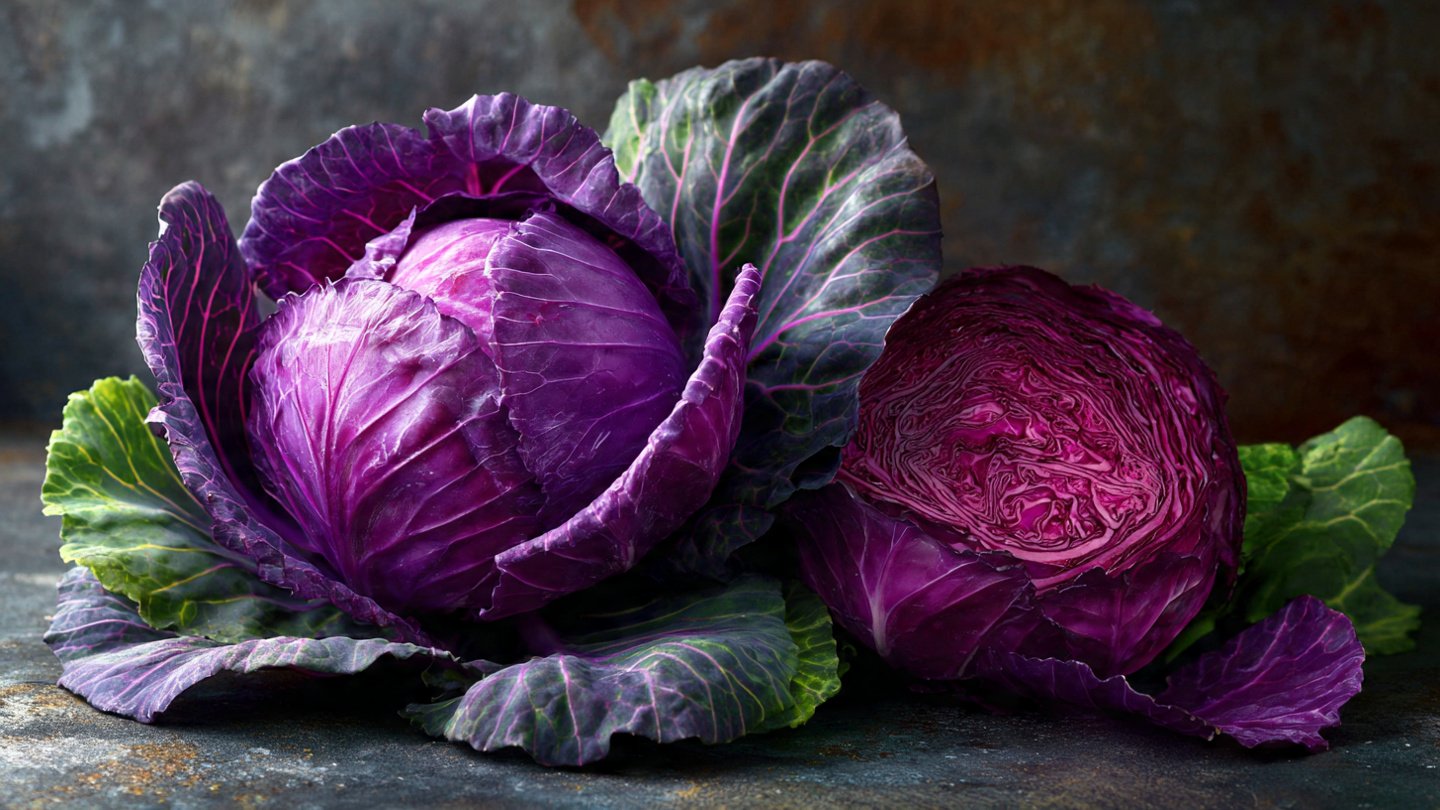
Purple cabbage, also known as red cabbage, is a vibrant and nutritious vegetable that adds color, crunch, and flavor to salads, stir-fries, and fermented dishes like sauerkraut. Unlike traditional green cabbage, purple cabbage has a slightly sweeter taste and is packed with antioxidants, vitamins C and K, and fiber, making it a superfood for your home kitchen.
Growing purple cabbage at home may seem challenging at first, but with the right approach, it’s both rewarding and surprisingly easy. Specialty purple cabbage varieties, like ‘Red Express’ or ‘Ruby Ball,’ produce dense, flavorful heads that outperform store-bought options in taste, nutrition, and freshness. In this guide, we’ll walk you through everything from selecting seeds to harvesting, so you can cultivate your own super delicious purple cabbage in your backyard or container garden.
Why Grow Purple Cabbage at Home?
There are several reasons to choose purple cabbage for home gardening:
- Freshness: Homegrown cabbage is fresher, tastier, and crunchier than store-bought.
- Nutrition: Purple cabbage is rich in anthocyanins, antioxidants responsible for its striking color and health benefits.
- Variety: Specialty purple cabbage varieties offer unique flavors and textures.
- Pest Control: Growing at home allows organic methods to prevent chemical residues.
- Fun and Rewarding: Watching the heads form from seedlings to full-grown vegetables is highly satisfying for gardeners of all skill levels.
With the right techniques, purple cabbage thrives in gardens, raised beds, or even large containers, making it accessible for urban gardeners and small-space growers.
Step 1: Choosing the Right Variety
Specialty purple cabbage varieties differ in growth speed, head size, and flavor. Popular options include:
- Red Express: Early-maturing variety, compact heads, ideal for containers.
- Ruby Ball: Round, medium-sized heads, sweet flavor, long storage life.
- January King (Purple Hybrid): Cold-hardy, dense heads, great for winter harvesting.
- Red Drumhead: Larger heads, deep color, best for salads and slaws.
When selecting a variety, consider your climate, growing season, and available space. Early-maturing varieties are ideal for shorter growing seasons or container gardens.
Step 2: Preparing the Soil
Purple cabbage prefers well-draining, nutrient-rich soil with a slightly acidic to neutral pH (6.0–7.0). Healthy soil encourages large, dense heads and robust growth.
Steps to prepare your soil:
- Choose the Site: Pick a sunny location with at least 6–8 hours of sunlight per day.
- Amend the Soil: Mix in organic compost, well-rotted manure, or vermicompost to improve fertility and structure.
- Check Drainage: Purple cabbage doesn’t like waterlogged roots. If your soil is heavy clay, consider raised beds or containers with good drainage.
- Optional Fertilizers: Add bone meal or rock phosphate for root development and potassium-rich amendments to support head formation.
Healthy soil is the foundation of a productive cabbage garden.
Step 3: Starting Seeds
You can start purple cabbage seeds indoors 6–8 weeks before your last expected frost or sow directly outdoors if the soil is cool.
Indoor seed-starting tips:
- Fill seed trays or pots with seed-starting mix.
- Plant seeds ¼ inch deep.
- Keep the soil consistently moist but not waterlogged.
- Maintain a temperature of 65–75°F (18–24°C) for optimal germination.
- Seedlings will sprout in 7–14 days.
Once seedlings develop 3–4 true leaves, they’re ready for transplanting. Harden them off by gradually exposing them to outdoor conditions over 5–7 days to prevent transplant shock.
Step 4: Transplanting Seedlings
When transplanting purple cabbage seedlings:
- Spacing: Plant seedlings 12–18 inches apart in rows 18–24 inches apart. Proper spacing allows airflow and prevents overcrowding, which reduces disease risk.
- Planting Depth: Bury seedlings slightly deeper than they were in the seed tray; cabbage roots develop additional shoots along buried stems.
- Watering: Water immediately after transplanting to help settle the soil.
- Mulching: Apply organic mulch, such as straw or shredded leaves, to retain moisture, suppress weeds, and maintain stable soil temperature.
Transplanting properly sets the stage for strong, healthy plants that produce dense, flavorful heads.
Step 5: Caring for Your Purple Cabbage
1. Watering
Cabbage requires consistent moisture—about 1–1.5 inches of water per week. Uneven watering can lead to split heads or bitter taste. Water at the base to avoid wetting leaves, which can encourage fungal diseases.
2. Fertilizing
Use organic fertilizers to encourage growth:
- Side-dress with compost or worm castings every 3–4 weeks.
- Apply liquid seaweed or fish emulsion during head formation to boost size and flavor.
Avoid synthetic fertilizers to maintain the purity and taste of your cabbage.
3. Pest Control
Purple cabbage can attract pests like cabbage worms, aphids, and flea beetles. Organic control methods include:
- Handpicking pests when visible
- Spraying with neem oil or insecticidal soap
- Using floating row covers to prevent insect access
- Encouraging beneficial insects, like ladybugs and parasitic wasps
Consistent monitoring ensures minimal pest damage.
4. Disease Prevention
Cabbage is prone to fungal and bacterial diseases. Preventive measures:
- Rotate crops yearly to avoid soil-borne diseases.
- Space plants adequately for airflow.
- Avoid overhead watering.
- Remove yellowing or diseased leaves promptly.
Healthy cultural practices are more effective than reactive treatments.
Step 6: Encouraging Large, Flavorful Heads
Purple cabbage develops tight, dense heads if:
- Sunlight: Provide at least 6–8 hours of full sun.
- Consistent Water: Uneven moisture can cause loose heads or splitting.
- Fertility: Balanced organic nutrients, especially potassium, help form firm heads.
- Temperature: Cabbage prefers cool weather (60–70°F). Warm temperatures may cause bolting or loose heads.
Following these tips results in vibrant, crunchy cabbage heads bursting with flavor.
Step 7: Harvesting Purple Cabbage
Knowing when and how to harvest is critical for flavor and texture.
Signs a purple cabbage is ready to harvest:
- Heads are firm and solid when gently squeezed.
- Leaves form tight, compact heads.
- Color is vibrant, ranging from deep purple to reddish hues depending on the variety.
Harvesting technique:
- Cut the head at the base using a sharp knife.
- Leave outer leaves and root system if you want the plant to produce secondary smaller heads.
- Handle heads gently to avoid bruising.
Homegrown cabbage can stay fresh for 1–2 weeks in the fridge if stored properly, and harvested at peak ripeness, it will be sweeter and crunchier than store-bought options.
Step 8: Storing and Using Purple Cabbage
Purple cabbage is versatile and can be used in:
- Raw salads and coleslaws for vibrant color and crunch
- Stir-fries and sautés for sweet, caramelized flavor
- Fermentation for homemade sauerkraut or kimchi
- Juicing for a nutrient-packed drink
For longer storage, wrap cabbage heads in a damp cloth in a perforated plastic bag and store in the crisper drawer of the fridge. Proper storage preserves flavor, texture, and nutritional value.
Tips for Specialty Purple Cabbage Success
- Start early: Begin seeds indoors for a head start on the growing season.
- Choose cool-weather months: Spring and fall are ideal for crisp, tight heads.
- Use companion planting: Plant herbs like dill or chamomile nearby to attract beneficial insects and deter pests.
- Rotate crops: Avoid planting cabbage in the same spot each year to prevent soil-borne diseases.
- Mulch and water consistently: These two steps significantly improve head size and taste.
Conclusion
Growing specialty purple cabbage at home is both rewarding and surprisingly simple with the right techniques. By selecting the ideal variety, preparing nutrient-rich soil, starting seeds indoors, and following organic care practices, you can enjoy vibrant, sweet, and crunchy cabbage heads right from your garden.
From sowing to harvesting, attention to soil, watering, and organic fertilization ensures your cabbage remains healthy, flavorful, and pest-free. With a few seasonal adjustments and consistent care, your purple cabbage can become a staple in salads, stir-fries, and fermented dishes, offering superior freshness and nutrition compared to store-bought options.
Whether you are a beginner gardener or an experienced grower, specialty purple cabbage is an excellent addition to your home garden. Its stunning color, delicious taste, and health benefits make the effort worthwhile, and with the tips in this guide, you’ll be on your way to a thriving, high-yield cabbage patch that produces year after year.