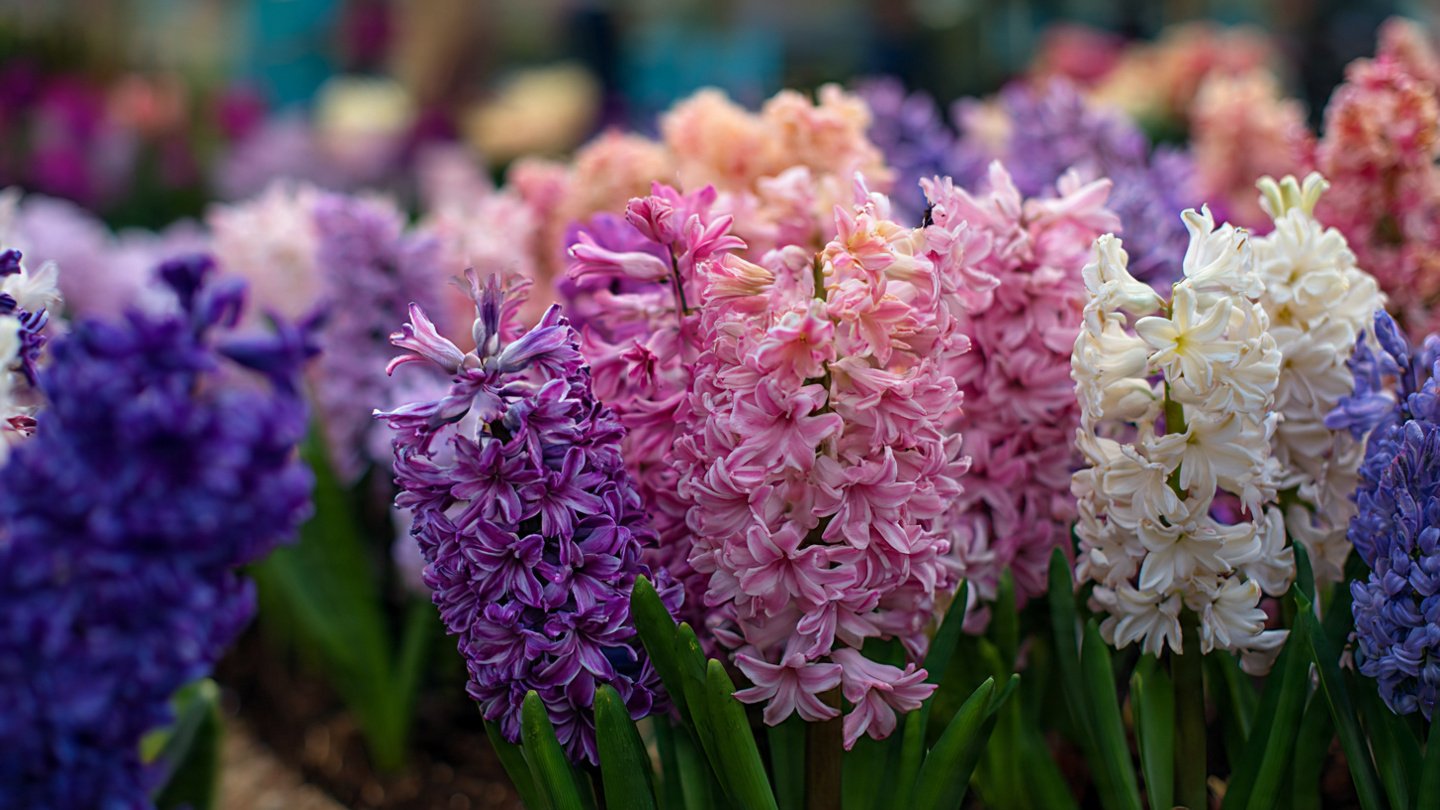
There’s something magical about the first signs of spring—the air is warmer, days are longer, and gardens burst into color. Among the most striking harbingers of the season are hyacinths, whose vibrant, fragrant blooms instantly elevate any garden. With their dense flower spikes and a spectrum of colors from soft pastels to bold reds and purples, hyacinths are a favorite for gardeners seeking springtime drama. The good news is that growing these stunning flowers is straightforward, whether you have a large garden, a small flower bed, or even containers on your balcony. This comprehensive guide will show you how to plant, care for, and enjoy beautiful hyacinths in your spring garden.
Understanding Hyacinths
Hyacinths (Hyacinthus orientalis) are bulbous perennials native to the eastern Mediterranean. They are prized not only for their vibrant flowers but also for their intoxicating fragrance, which makes them popular in gardens, borders, and indoor pots. Hyacinths typically bloom in early to mid-spring, producing clusters of flowers atop sturdy stems that rise above their strap-like leaves.
Key Features of Hyacinths:
- Bloom Colors: Purple, pink, white, red, and blue.
- Height: 6–12 inches depending on the variety.
- Flowering Time: Early spring, usually March to April in temperate climates.
- Fragrance: Strong, sweet, and highly aromatic.
Their vibrant colors and captivating scent make hyacinths a perfect choice for garden focal points, borders, and container displays.
Step 1: Choosing the Right Bulbs
The foundation of stunning hyacinths is high-quality bulbs:
- Size Matters: Larger bulbs generally produce bigger, more prolific blooms. Look for bulbs at least 1.5–2 inches in diameter.
- Firm and Healthy: Avoid soft, shriveled, or moldy bulbs. Healthy bulbs should feel solid and heavy.
- Variety Selection: There are many hyacinth varieties—double-flowered types produce fuller spikes, while single-flowered varieties are elegant and classic. Choose varieties that suit your aesthetic.
Purchasing from a reputable nursery ensures the bulbs are disease-free and have been stored correctly for optimal spring bloom.
Step 2: Picking the Perfect Planting Location
Hyacinths thrive in locations that mimic their natural Mediterranean habitat:
- Sunlight: Full sun or partial shade. At least 6 hours of sunlight per day ensures strong stems and vibrant flowers.
- Soil: Well-drained soil is critical. Hyacinths are prone to bulb rot in soggy conditions. Sandy loam enriched with organic matter is ideal.
- Spacing: Plant bulbs 3–4 inches apart to allow room for growth and airflow. Crowded bulbs may produce weaker flowers.
- Protection: Avoid windy areas that can damage the flower spikes.
Choosing a sunny, well-drained spot ensures your hyacinths thrive and bloom beautifully.
Step 3: Planting Your Hyacinths
Planting hyacinths correctly sets the stage for a spectacular spring display:
- Timing: Plant in the fall, about 6–8 weeks before the first frost. This allows bulbs to establish roots before winter.
- Depth: Dig a hole 6–8 inches deep for each bulb, pointed end facing upward. The depth should be roughly three times the bulb’s height.
- Spacing: Place bulbs 3–4 inches apart to prevent overcrowding.
- Soil Amendments: Mix in compost or bulb fertilizer to provide nutrients for early growth.
- Watering: Water thoroughly after planting to settle the soil around the bulbs.
Proper planting depth and spacing are crucial for strong stems, healthy roots, and vibrant flowers.
Step 4: Caring for Hyacinths During Growth
After planting, care is key to ensuring your hyacinths bloom beautifully:
- Watering: Hyacinths prefer moderately moist soil. Water regularly during dry spells, but avoid waterlogging.
- Mulching: Apply a 2-inch layer of mulch to retain moisture, regulate temperature, and suppress weeds.
- Fertilizing: Apply a balanced, slow-release fertilizer when shoots appear in spring. Avoid over-fertilizing, which can lead to lush foliage but weak flowers.
- Support for Stems: Tall varieties may require gentle staking to prevent flower spikes from bending.
Regular care encourages healthy growth, strong stems, and a spectacular floral display.
Step 5: Protecting Hyacinths from Pests and Diseases
Hyacinths are generally hardy, but they can occasionally face challenges:
- Pests: Aphids, slugs, and bulb mites may attack leaves or bulbs. Neem oil or gentle insecticidal sprays can help.
- Diseases: Fungal infections, such as Botrytis blight or bulb rot, can occur in wet conditions. Ensure proper drainage and avoid overhead watering.
- Rodents: Mice and squirrels may dig up bulbs. Planting bulbs in wire cages or using deterrents helps protect them.
Maintaining clean soil and avoiding excess moisture are key strategies for pest- and disease-free hyacinths.
Step 6: Encouraging Longer Blooming
To maximize the flowering period:
- Deadheading: Remove spent flowers to prevent energy from being diverted to seed production.
- Sunlight: Ensure plants get full sun to prolong bloom life.
- Avoid Cutting Leaves Prematurely: Leaves produce food for the bulb. Allow them to yellow and die naturally before trimming.
These steps help the bulb store energy for next year’s blooms, ensuring a repeat performance in spring.
Step 7: Using Hyacinths in Garden Design
Hyacinths are versatile and can enhance your garden in many ways:
- Borders and Edging: Plant along garden paths or flower beds for a colorful boundary.
- Mass Plantings: Create dramatic spring displays by planting in clusters or drifts.
- Containers and Pots: Perfect for balconies, patios, or indoor forcing. Combine with other bulbs like tulips and daffodils for a layered effect.
- Rock Gardens: Smaller varieties fit beautifully between rocks or in raised beds.
Their vibrant colors and intense fragrance make hyacinths perfect for visual and sensory appeal.
Step 8: Forcing Hyacinths Indoors
Hyacinths can also be grown indoors to enjoy early blooms:
- Chill Bulbs: Store bulbs in a cool, dark place (35–45°F) for 10–12 weeks to simulate winter.
- Potting: Plant in well-draining pots with a mix of compost and sand.
- Light and Temperature: Place in bright, indirect light and maintain moderate temperatures.
- Watering: Keep soil lightly moist but never soggy.
- Enjoy Blooms: Once flowers appear, move the pot to a cooler location to extend bloom life.
Indoor hyacinths fill your home with fragrance and color, bringing the beauty of spring indoors.
Step 9: Caring for Hyacinths After Bloom
After flowering, it’s important to care for hyacinths to ensure next year’s success:
- Allow Leaves to Die Naturally: Do not cut leaves until they are yellow and withered; they store nutrients in the bulb.
- Fertilize Bulbs: Apply a bulb fertilizer after blooming to replenish energy.
- Digging and Storing Bulbs: In hot or wet climates, consider lifting bulbs after foliage dies, drying them, and storing in a cool, dry place until fall planting.
- Divide and Replant: Every 3–4 years, divide crowded bulbs to maintain healthy growth and abundant blooms.
Proper post-bloom care is crucial for longevity and continuous spring blooms.
Benefits of Growing Hyacinths
- Fragrance: Adds a pleasant aroma to your garden or home.
- Color: Provides vibrant hues that brighten early spring.
- Pollinator-Friendly: Attracts bees and beneficial insects.
- Low Maintenance: Once planted, requires minimal care aside from watering and fertilization.
- Versatility: Can be grown in beds, borders, containers, and even indoors.
Hyacinths combine beauty, fragrance, and ecological value, making them an essential spring bulb for any gardener.
Conclusion
Growing stunning hyacinths in your spring garden is an achievable goal for gardeners of all levels. By selecting healthy bulbs, planting in well-draining soil, providing adequate sunlight, and caring for them throughout their growing season, you can enjoy vibrant, fragrant blooms year after year. Whether planted in clusters, along borders, in rock gardens, or in pots, hyacinths bring color, charm, and fragrance to every corner of your garden. With careful planning and simple maintenance, your spring garden can become a show-stopping display of these beautiful, iconic flowers, delighting the senses and welcoming the season in style.