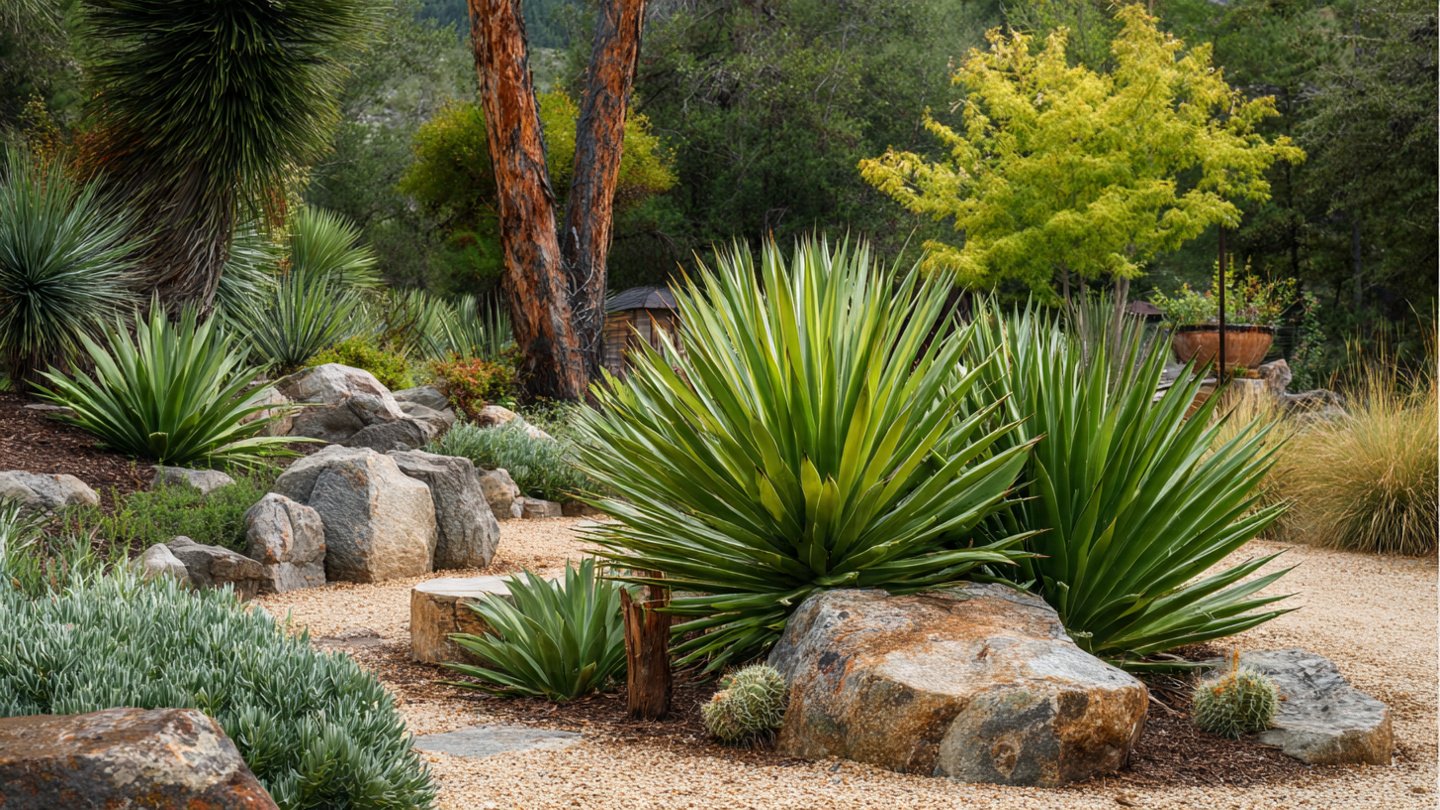
As climate change reshapes how we garden, water-efficient landscaping has become more important than ever. Low water landscapes—also called xeriscapes—prioritize plants that thrive with minimal irrigation while maintaining beauty, biodiversity, and environmental benefits. One standout plant for these gardens is the spineless yucca. Hardy, striking, and virtually maintenance-free, spineless yucca combines the dramatic architectural form of traditional yuccas with the advantage of zero spines, making it safer for households and public spaces.
This guide will cover everything you need to know to grow spineless yucca in a low water landscape, from soil preparation and planting techniques to care tips, design ideas, and ecological benefits.
Why Spineless Yucca is Perfect for Low Water Landscapes
Spineless yucca is naturally drought-tolerant, making it ideal for gardens where water conservation is a priority. Unlike other ornamental plants that demand regular irrigation, spineless yucca thrives under minimal watering. Key advantages include:
- Drought tolerance: Can survive prolonged dry periods once established
- Low maintenance: Requires little pruning or fertilization
- Safety: Lacks sharp leaf tips, making it child- and pet-friendly
- Architectural appeal: Bold, upright rosettes add vertical interest and texture
- Longevity: Can live for decades in the right environment
These characteristics make it a reliable choice for sustainable, eco-conscious gardening.
Selecting the Right Variety
Spineless yucca comes in several varieties suitable for different climates and garden styles. When selecting a plant, consider:
- Yucca elephantipes ‘Spineless’: Tall, tree-like form for focal points
- Yucca filamentosa ‘Color Guard’: Medium size with striking variegated leaves
- Yucca rostrata ‘Spineless’: Compact rosettes ideal for rock gardens
Each variety offers unique aesthetic and spatial characteristics, so choose one that fits your landscape design goals.
Choosing the Right Location
Spineless yucca prefers full sun and well-drained soil. For low water landscapes:
- Avoid areas prone to standing water
- Plant in spots receiving at least 6–8 hours of sunlight daily
- Consider slopes or raised beds to enhance drainage
The right location ensures healthy growth, strong roots, and fewer problems with pests or disease.
Soil Preparation for Optimal Growth
Yuccas are adaptable but thrive in sandy or gravelly soils that mimic their natural desert habitat. Before planting:
- Test soil drainage: Spineless yucca roots rot in soggy soils
- Amend heavy clay soils: Add coarse sand, small gravel, or organic compost to improve texture
- Maintain neutral to slightly alkaline pH: A range of 6.0–8.0 is ideal
Well-prepared soil encourages deep root systems, which are essential for drought resilience.
Planting Spineless Yucca
Planting at the right time and depth is critical. Here’s how:
- Timing: Spring or early summer is best to allow roots to establish before extreme heat or cold.
- Hole preparation: Dig a hole twice as wide and slightly deeper than the root ball.
- Planting: Place the yucca in the hole with the base level slightly above ground to prevent water accumulation.
- Backfilling: Use native soil mixed with coarse sand or gravel. Avoid over-fertilizing at planting.
- Mulching: Apply a 2–3 inch layer of rocks, gravel, or coarse bark to retain moisture and suppress weeds.
Watering Techniques in Low Water Landscapes
Once established, spineless yucca requires minimal irrigation, making it perfect for water-conscious gardeners. Key watering tips:
- Initial phase: Water deeply once a week for the first 2–3 months to help roots establish.
- Established plants: Reduce watering to once every 2–4 weeks depending on rainfall.
- Deep, infrequent watering: Encourages roots to grow deeper, increasing drought tolerance.
- Avoid overwatering: Excess moisture can cause root rot or fungal problems.
Using drip irrigation or soaker hoses can further optimize water usage and target the roots directly.
Fertilizing Spineless Yucca
Spineless yucca is low-fertility tolerant, but occasional feeding promotes healthy growth and vibrant leaves:
- Use slow-release, low-nitrogen fertilizers in early spring
- Avoid excessive nitrogen, which encourages soft, weak growth
- Organic amendments like compost or well-rotted manure can be applied sparingly
The goal is to maintain resilience and natural drought tolerance, rather than pushing rapid, water-dependent growth.
Pest and Disease Management
Spineless yucca is remarkably resistant to pests and diseases, but occasional issues may arise:
- Scale insects: Wipe leaves with soapy water or apply horticultural oil
- Aphids: Spray with a mild insecticidal soap
- Leaf spot or root rot: Usually caused by overwatering; improve drainage and remove affected foliage
Routine inspection and minimal intervention are usually sufficient.
Pruning and Maintenance
Maintenance for spineless yucca is minimal but contributes to aesthetics:
- Remove dead or brown leaves at the base to maintain a clean appearance
- Trim flower stalks after blooming to prevent excessive energy drain
- Avoid heavy pruning; the natural rosette shape is part of its architectural charm
Regular light maintenance ensures the plant stays attractive while conserving water and energy.
Landscaping Ideas with Spineless Yucca
Spineless yucca’s bold form makes it versatile for various low water landscapes:
- Rock Gardens: Pair with gravel, boulders, and succulents for a desert-inspired look.
- Pathway Accents: Use in rows to frame walkways or patios.
- Container Gardens: Large pots with minimal irrigation make it suitable for terraces and balconies.
- Mixed Xeriscapes: Combine with drought-tolerant perennials like lavender, agave, or ornamental grasses.
- Focal Points: Tall varieties act as natural sculptures, drawing the eye without requiring water-heavy surroundings.
By combining form, texture, and color, you can create visually striking landscapes that require minimal resources.
Environmental Benefits of Spineless Yucca
Beyond beauty and low water needs, spineless yucca contributes to eco-friendly gardening:
- Reduces water consumption compared to traditional lawns
- Supports local wildlife: Flowers attract pollinators like bees and butterflies
- Reduces chemical use: Low maintenance reduces reliance on fertilizers and pesticides
- Carbon sequestration: Perennial, long-lived foliage stores carbon in a sustainable manner
Incorporating spineless yucca into your garden is a practical step toward more environmentally responsible landscaping.
Tips for Long-Term Success
To ensure your spineless yucca thrives for years:
- Monitor soil moisture carefully during the first season
- Replenish mulch annually to retain water and control weeds
- Rotate container plants periodically if grown in pots
- Protect from frost in colder climates by covering young plants or using frost-tolerant varieties
Patience is key—once established, spineless yucca becomes nearly self-sufficient, rewarding gardeners with dramatic foliage year-round.
Final Thoughts
Growing spineless yucca in a low water landscape is an excellent way to create stunning, sustainable, and safe gardens. Its drought tolerance, minimal maintenance requirements, and bold architectural form make it ideal for modern eco-friendly gardening. By choosing the right variety, planting in well-drained soil, providing minimal but effective irrigation, and using thoughtful landscaping design, gardeners can enjoy striking visual appeal and long-term resilience.
Spineless yucca demonstrates that water-efficient gardening doesn’t mean compromising on style or impact. With careful planning, this remarkable plant can become the centerpiece of your low water landscape—saving water, supporting biodiversity, and offering years of dramatic beauty in your garden.